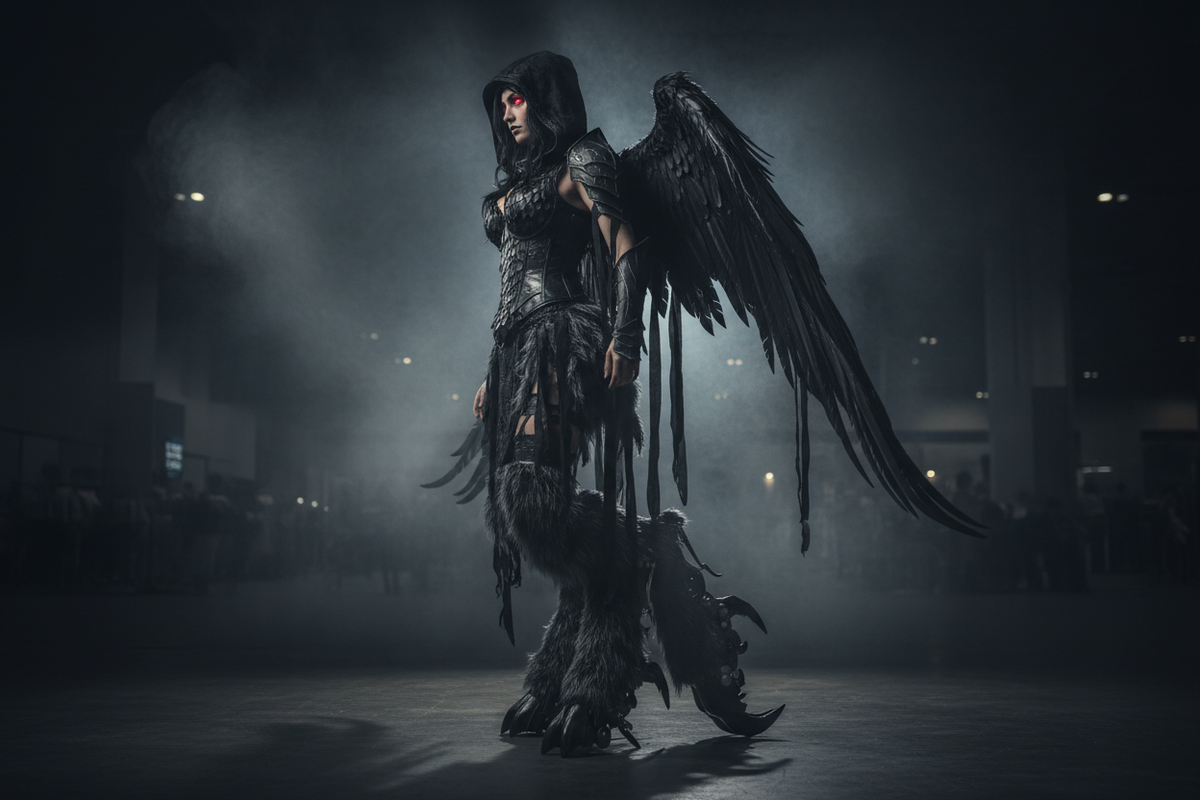
CRITICAL SAFETY WARNING: Digitigrade and heel-less hoof shoes carry a high physical risk of joint strains, Achilles tendon damage, and severe rollover ankle falls. They are advanced prop builds that require rigorous biomechanical testing, gradual conditioning, and mandatory safety spotters. Do not attempt to craft or walk in heel-less footwear without prior athletic preparation.
TL;DR / Quick Safety Assessment
Wearing hoof shoes for cosplay removes traditional heel support, placing 100% of your body weight on your toes, foot arches, and ankles. Before attempting this build, you must assess whether your ankle joint stability can handle leverage torque and rollover risks. Never wear heel-less digitigrade footwear without a spotter, and always treat these props as athletic equipment that requires design testing rather than a one-and-done DIY project.
Deep Analysis & Underlying Logic: The Biomechanics of Digitigrade Footwear
Building or wearing digitigrade cosplay footwear alters human walking mechanics by locking the foot into a perpetual tiptoe position. Understanding the structural pressure points explains why these props are notoriously difficult to master.
                    [ HUMAN vs. DIGITIGRADE FOOTWEAR BIOMECHANICS ]
                                           │
     ┌─────────────────────────────────────┴─────────────────────────────────────┐
     ▼                                                                           ▼
Standard Plantigrade Walking                               Digitigrade / Hoof Footwear
- Weight distributed across heel, arch & toes               - Weight concentrated entirely on ball of foot
- Ankle acts as a stable pivot point                        - Ankle bears continuous leverage torque
- Arch flexes naturally to absorb shock                     - Arch mobility restrictions cause acute pain
1. The Physics of Leverage Torque
Standard shoes distribute impact across three key points: the heel, the lateral arch, and the ball of the foot. Heel-less hoof shoes cut off the heel support entirely, creating an extended lever arm. Every step forces your calves, Achilles tendons, and ankle stabilizer muscles to hold your entire body weight against gravity. If your ankles lack exceptional lateral stability, the foot will instantly roll sideways under the shoe's elevated center of gravity.
2. The Danger of Over-Restricting Arch Mobility
A common mistake among prop makers is locking down the shoe arch with rigid internal supports. Real-world testing within the fursuit and creature community highlights a frequent realization: over-restricting natural arch flex leads to severe foot cramps and joint pain. The foot arch acts as a natural shock absorber; locking it rigidly transfers all impact directly into the ankle joint and knee cap.
3. Design Iteration Is Mandatory
No one builds a flawless, comfortable pair of hoof cosplay shoes on the first attempt. Experienced makers frequently adjust their builds—removing rigid shanks, adding cushioned foot sleeves, extending faux fur coverings to hide wider stabilizer bases, or altering hoof angles after trial walks reveal hotspots. Expect a multi-stage process of building, short-duration testing, identifying discomfort, and adjusting structural padding.
Key Elements & Typical Application Scenarios
Digitigrade footwear is typically reserved for specialized creature designs that demand non-human leg silhouettes:
-
Fursuits & Satyr/Faun Costumes: Replicating cloven hooves for mythological creatures or animal avatars using fursuit hoof shoes.
-
Demon & Sci-Fi Armor: High-concept alien or demonic suits featuring digitigrade leg extensions.
-
Gothic & Fantasy Performance Art: Dramatic floor-ready costumes where silhouette takes precedence over walking speed.
Core Prerequisites Before Attempting a Build
| Prerequisite Metric | Minimum Threshold Requirement | Why It Matters |
| Ankle Muscle Conditioning | Ability to hold a single-leg tiptoe balance for 60+ seconds | Prevents sudden joint collapse under prop weight |
| Ground Contact Surface Area | Minimum 70 cm² rubberized tread at the toe base | Ensures adequate friction on slick convention floors |
| Spotter Availability | 1 Dedicated Handler / Spotter at all times | Navigates crowds, stairs, and prevents falls |
| Structural Test Duration | Max 15–20 minute trial increments in home environment | Reveals hot spots and arch pain before convention day |
Common Pitfalls and Essential Safety Precautions
When constructing or wearing safe hoof shoes for cosplay, avoid these high-risk errors:
-
Pitfall 1: Attempting to Walk on Convention Floors Unassisted. Crowded convention halls feature uneven carpet seams, spilled liquids, and unexpected floor obstacles. Walking unassisted in digitigrade shoes severely increases fall risks. Always travel with a handler.
-
Pitfall 2: Neglecting Ankle Stabilization Gear. Inserting a standard high-heel shoe into a hoof shell offers zero ankle protection. Utilize professional cosplay footwear safety gear, such as heavy-duty ankle braces or reinforced high-top boot bases, to prevent rolling.
-
Pitfall 3: Ignoring Physical Pain. Pain is a warning that joint damage is occurring. If you feel sharp arch pain, numbness in your toes, or severe calf strain, remove the footwear immediately. Do not attempt to "tough it out" during a convention day.
Summary & Related Internal Reading
Digitigrade and hoof footwear offer stunning visual silhouettes, but they represent one of the most physically demanding prop categories in cosplay. Prioritize personal safety over aesthetics: build your ankle strength, incorporate flexible interior ergonomics, test your props incrementally, and never walk the convention floor without a spotter.
Essential Safety & Craftsmanship Resources:
-
Cosplay Footwear Safety Gear & Ankle Supports: Protective braces, gel cushioning, and high-friction tread soles.
-
5 Common Cosplay Beginner Mistakes to Avoid: Key advice on breaking in footwear, hydration, and physical preparation.
-
How to Handle a Cosplay Malfunction Gracefully: On-site repair strategies and handler safety protocols.

コメントを書く
このサイトはhCaptchaによって保護されており、hCaptchaプライバシーポリシーおよび利用規約が適用されます。