💡 Executive Abstract:
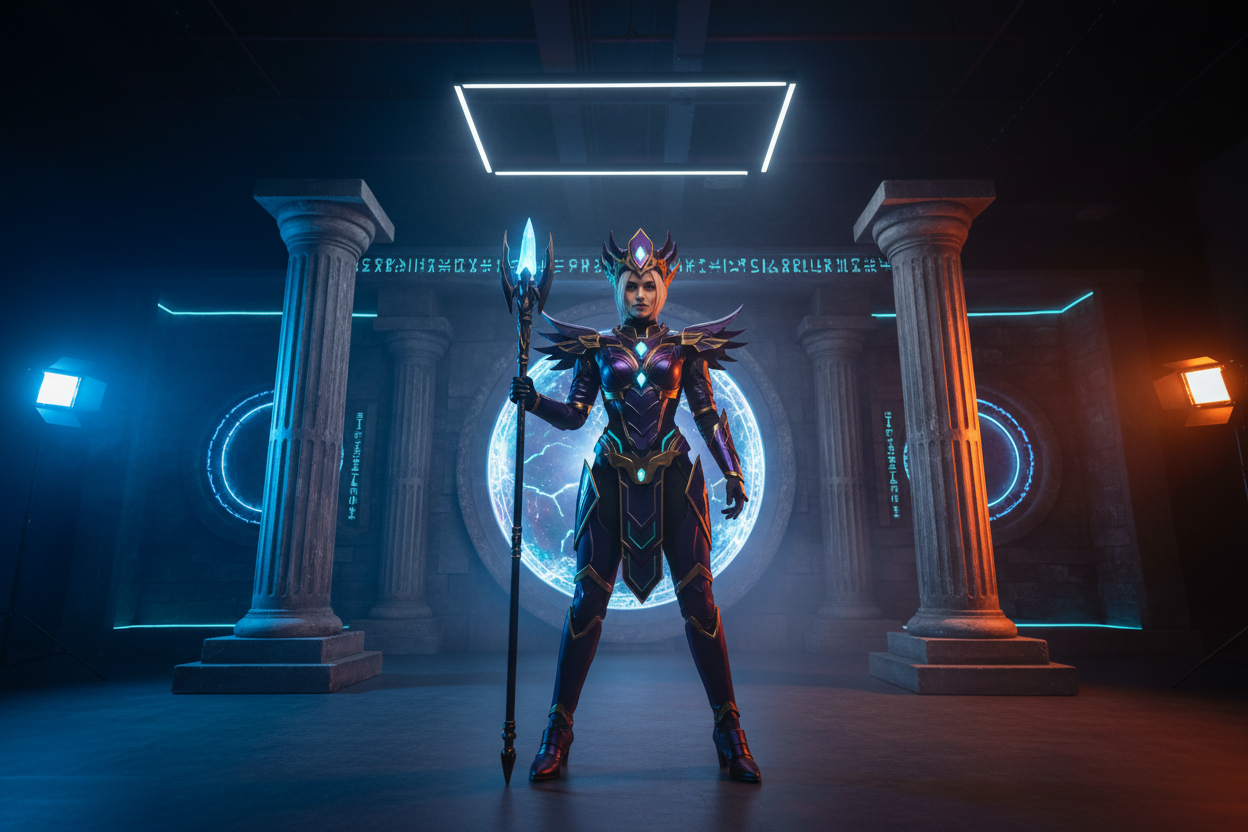
The global cosplay ecosystem is undergoing a major infrastructure shift. For decades, the "convention hall shot"—characterized by flat, high-altitude fluorescent lighting, crowded backgrounds, and spontaneous shutter clicks—was the primary way to document a finished costume. However, creators are rapidly transitioning toward Professional Cosplay Photography Studios. This is not merely a preference for "nice portraits"; it represents the complete industrialization of cosplay photography. With the rise of dedicated franchise-themed sets, complex lighting setups, and organized "Cosplay Photography Days," the barrier between subcultural hobbyist shoots and professional theatrical film production has officially dissolved. This deep dive analyzes the technical, optical, and structural reasons driving this studio migration and explores how it is setting new standards for high-end costume manufacturing.
📉 1. The Analytical Breakdown: Convention Limitations vs. Studio Physics
To understand this shift, we must look beyond "aesthetic preference" and analyze the physical and optical realities of convention spaces versus controlled studio environments.
+-----------------------------------------------------------------------------------------+
|                          THE PHOTOMETRIC ENVIRONMENT MATRIX                             |
+-----------------------------------------------------------------------------------------+
|  [CONVENTION HALL]   --->  Low CRI (60-70 Ra) | Top-Down Fluorescents | No Depth        |
|                                                                                         |
|  [DEDICATED STUDIO]  --->  High CRI (95+ Ra)  | Multi-Angle Ray-Tracing | 3D Depth Sets  |
+-----------------------------------------------------------------------------------------+
The Optical Deficits of Convention Halls
-
The Low-CRI Color Cast: Most convention centers are lit by heavy industrial metal-halide or cheap LED fixtures with a low Color Rendering Index (CRI), usually between 60 to 70 $R_a$. This lack of color accuracy creates a greenish-yellow cast on skin tones and dulls the rich color palettes of custom-dyed fabrics, regardless of camera sensor quality.
-
The Flat Top-Down Shadow Vector: Overhead lighting casts harsh, vertical shadows directly downward. This accentuates under-eye bags, nose shadows, and wig hairlines, while leaving the details of chest plates, embroidery, and lower garments completely in the dark.
-
Spatial Clutter and Visual Noise: High-end costumes rely on a sense of scale and fantasy. Photographing a sci-fi armor set next to emergency exit signs, trash cans, or a crowd of tourists breaks the visual illusion, requiring extensive, time-consuming digital cleanup in post-production.
The Studio Physics Advantage
-
Controlled Photometric Lux & Temperature: Studios utilize high-end strobe systems and continuous LED panels with a CRI of over 95 $R_a$. This ensures exact color reproduction, allowing the subtle gradients in wigs and fabrics to register perfectly on camera.
-
Multi-Directional Ray-Tracing: Photographers can sculpt the character using key lights, fill lights, and rim lights. Hard side-lighting defines fabric textures, while soft backlighting separates the cosplayer from the background, creating a beautiful 3D sense of depth.
-
Environmental Context: The studio becomes an extension of the character’s lore. Instead of adjusting the costume to fit a plain environment, the environment is built to showcase the costume.
🛠️ 2. The Spatial Engineering of Cosplay Studios
The modern cosplay studio has evolved far beyond standard portrait setups. Today, these spaces are designed by scenic engineers and interior artists to create highly authentic, modular backdrops:
+------------------------------------------------------------------------------------------+
|                             SPECIALIZED SCENIC STUDIO SETS                               |
+------------------------------------------------------------------------------------------+
|  [The Cyberpunk Grid]    --->  Custom Neon LED Arrays | Fog Machines | Industrial Grates |
|  [The Gothic Cathedral]  --->  Stained Glass | Aged Mahogany | Heavy Velvet Drapes        |
|  [The Traditional Wash]  --->  Tatami Mats | Paper Shoji Screens | Artificial Cherry Blossoms|
+------------------------------------------------------------------------------------------+
-
The Cyber-Industrial Chamber: Built with exposed steel beams, industrial grates, weathered metal plating, and customizable neon tube arrays. These sets feature integrated smoke machines and backlights, which are essential for capturing high-tech armor or futuristic streetwear.
-
The Gothic Library/Sacristy: Featuring floor-to-ceiling faux stone arches, dark mahogany bookshelves, heavy velvet curtains, and candelabras. This setup is designed to enhance the dramatic, regal mood of fantasy and historical characters.
-
The Traditional Eastern Pavilion: Designed with real wood tatami mats, authentic paper shoji screens, stone lanterns, and modular cherry blossom branches. This space provides a clean, natural background for historical and anime characters.
📂 3. Case Studies: How Studio Environments Transform Iconic Designs
Controlled studio sets completely change how complex, high-end costumes are captured. By analyzing three major franchises, we can see how professional staging brings out the best in premium designs.
🎤 Hatsune Miku — Maximizing High-Gloss Synthetic Textures
-
The Scenic Concept: The virtual diva thrives in digital space. A high-tech studio set featuring reflective black plexiglass flooring, customizable LED neon grids, and subtle haze creates a perfect cyber-concert aesthetic.
-
Studio Lighting Integration: To capture a high-end Hatsune Miku cosplay costume, photographers use linear strip lights as rim lights. This technique highlights the clean, glossy sheen of her signature synthetic leather sleeves and collar without causing wide, washed-out highlights. Suspended monofilament wires can be rigged to hold her long twin-tails in dynamic, flowing poses, allowing the photographer to capture the iconic silhouette perfectly before easily removing the wires in post-production.
Miku Lighting Architecture:
[Backlit Neon Grid] ---> [High-Sheen PU Sleeves (Linear Rim Light)] ---> [Reflective Floor Shadow]
🤖 NieR: Automata — Capturing Texture in Atmospheric Ruins
-
The Scenic Concept: The post-apocalyptic world of NieR is quiet, industrial, and melancholic. An industrial ruins set—featuring raw concrete walls, exposed rebar, and soft, natural light filtering through high windows—perfectly mirrors the game's art direction.
-
Studio Lighting Integration: A premium 2B cosplay costume is built to absorb and reflect light in specific ways. Under controlled directional softboxes, the deep, matte velvet of her dress absorbs light to create rich, velvet-black shadows. Meanwhile, the silver embroidery on her chest and skirt hem catches the soft light, showcasing the high-end craftsmanship of the costume. The studio environment ensures that these subtle, elegant textures are fully appreciated.
2B Ruin Lighting Architecture:
[High Angle Softbox (Natural Fill)] ---> [Matte Velvet Dress] ---> [Low-Angle Fill (Silver Embroidery)]
⚔️ Final Fantasy — Showcasing Layered Fantasy Designs
-
The Scenic Concept: Final Fantasy designs are legendary for their complex layering, asymmetrical cuts, and detailed armor pieces. A gothic cathedral set with stone textures and rich, warm candlelight provides the perfect fantasy backdrop.
-
Studio Lighting Integration: Capturing a complex Final Fantasy cosplay costume requires precise, multi-point lighting. A hard spotlight is focused on the metallic-finished resin armor plates to highlight their polished, three-dimensional shape. Simultaneously, a large, diffused fill light softens the shadows across the layered jacquard fabrics, ensuring every textured pattern, buckle, and leather strap is clearly visible.
Final Fantasy Armor Lighting Architecture:
[Hard Spotlight (Armor Edge Highlights)] ---> [Diffused Octabox (Fabric Textures & Layers)]
⚖️ 4. Textile Structural Engineering for High-Strobe Environments
Because professional studio strobes use high-intensity flashes, costumes must be engineered to withstand close-up inspection and harsh, direct light:
| Fabric/Material Challenge | Convention Floor Performance | Studio Strobe Performance (High-Power Flash) | Premium Manufacturing Solution |
| Polyester Satin & Silks | Appears passably colorful under dim, diffused hall lights. | Reflects flash harshly, creating cheap, white hot-spots and appearing paper-thin. | Heavy Matte Jacquard: Woven with dense, light-absorbing fibers that preserve color depth and texture under strong flashes. |
| Synthetic Leathers (PU/PVC) | Looks uniform but can appear stiff or rubbery. | Highlights every crease, wrinkle, and raw, unfinished edge on camera. | High-Elastic Polyurethane: Features a soft, matte finish and is fully lined to lay smoothly against the body. |
| Ornaments & Accessories | Craft foam or thin plastics look acceptable from a distance. | Appears flat, two-dimensional, and artificial under professional lenses. | 3D-Molded Resin & Cast Alloys: Possess natural physical depth, clean edges, and realistic shadows. |
| Seams & Tailoring | Basic overlocked seams are hidden by simple poses. | Raw edges, loose threads, and pulling seams are highly visible in high-resolution close-ups. | Fully Lined Bias-Bound Seams: Ensures flat, clean edges and a structured drape that holds its shape from every angle. |
❓ 5. Frequently Asked Questions (FAQ)
-
Q: Why do my cosplay photos from conventions look washed out compared to studio photos of the same costume?
-
A: This is primarily due to the lighting quality. Convention centers use low-CRI fluorescent or industrial lights that lack red and warm tones, which makes skin tones look pale and fabric colors appear flat. Professional studios use high-CRI strobe lights that cover the full color spectrum, bringing out the true richness of your costume's fabrics, wig colors, and makeup.
-
-
Q: What are "Cosplay Photography Days," and how do they work?
-
A: Many modern cosplay studios host dedicated "Cosplay Photography Days." During these events, the studio sets up several themed rooms (such as sci-fi, fantasy, or seasonal sets) and offers short, bookable time slots. This allows creators to rent professional sets and work with experienced cosplay photographers for an affordable rate, making high-end studio photography accessible to everyone.
-
-
Q: How do I prepare my costume differently for a high-resolution studio shoot?
-
A: High-resolution camera lenses will capture every small detail, so preparation is key. Make sure to thoroughly steam or iron your fabrics, as studio lighting will highlight even minor wrinkles. Use matte face powder to reduce skin shine under the flash, and double-check that all armor parts, trim, and accessories are cleanly attached with no visible glue or loose threads.
-
🎯 Conclusion: Elevating Cosplay to a Professional Standard
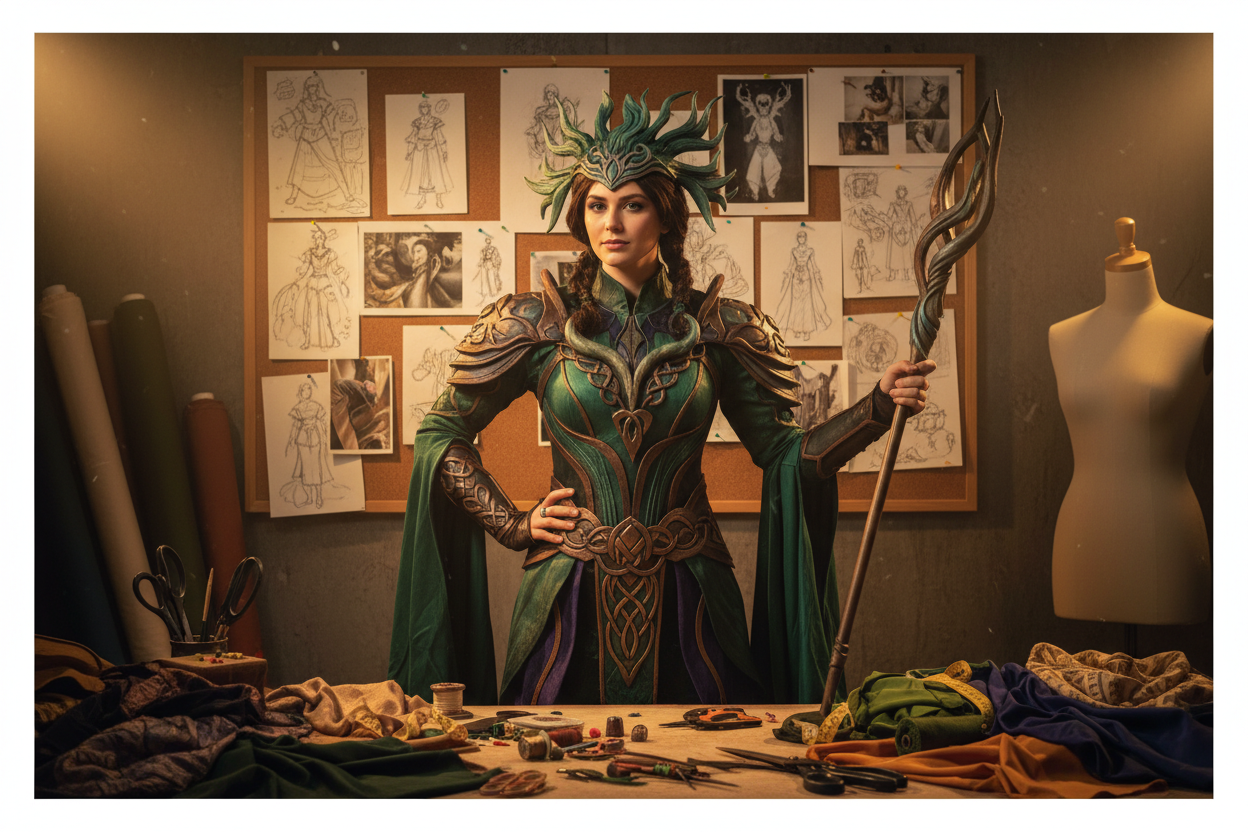
The rise of Cosplay Photography Studios is a clear sign of a growing, passionate community that values true craftsmanship. It shows that creators are treating their work with the same dedication, artistic care, and technical respect as professional film and theatrical costume designers.
+-------------------------------------------------------------------------------+
|                       THE STUDIO CREATIVE PROCESS                             |
|                                                                               |
|  1. Environmental Harmony --> Select a set that matches the character's world.|
|  2. Optical Precision      --> Use high-CRI lighting to show off fabric details.|
|  3. Quality Craftsmanship  --> Build costumes that look beautiful up close.  |
+-------------------------------------------------------------------------------+
Whether you are capturing the bright, digital energy of a Hatsune Miku cosplay costume, the quiet, dramatic beauty of a 2B cosplay costume, or the grand, layered details of a Final Fantasy cosplay costume, a dedicated studio space provides the perfect canvas. By stepping away from the busy convention floor and into a controlled, creative environment, we can showcase our hard work, premium materials, and deep love for these characters in the best possible light.

Dejar un comentario
Este sitio está protegido por hCaptcha y se aplican la Política de privacidad de hCaptcha y los Términos del servicio.