💡 Systemic Briefing:
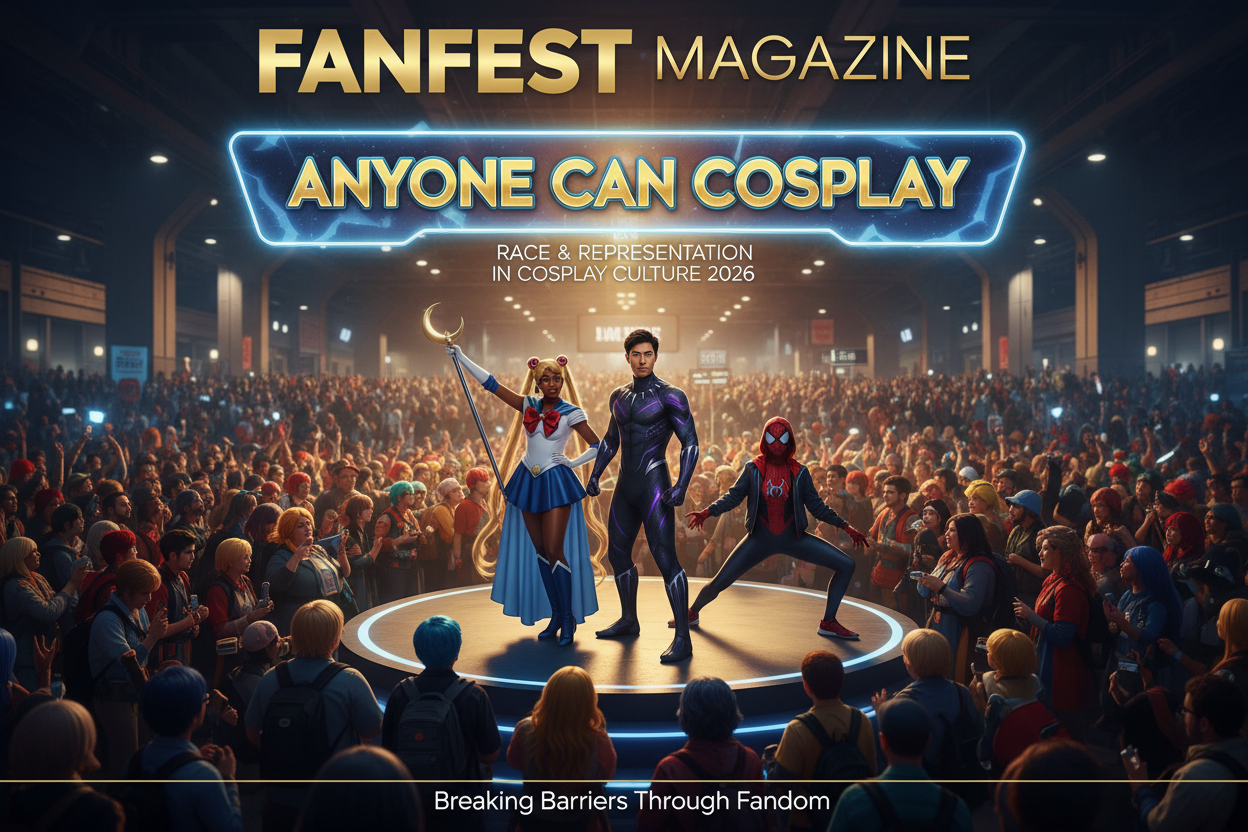
As anime, gaming, and comic conventions experience unprecedented mainstream growth across the United States, the subculture is confronting a profound dialogue surrounding Race, Representation, and Character Accuracy. What was once a localized hobby has evolved into a global platform for identity expression, bringing long-standing debates out of specialized fandom studies and onto the main stage of modern fan culture. At the heart of this movement is a powerful push for inclusivity, encapsulated by the universal community maxim: "Anyone can cosplay." However, this progressive ideal frequently collides with rigid, outdated internet gatekeeping and complex cultural history. From online debates over character ethnicity to strict community boundaries regarding historical taboos like blackface, the modern community is redefining what it means to authentically honor a character's design without being restricted by real-world demographics.
1. Core Character IP Analyses: The Anchors of Diverse Representation
To explore how race and cultural representation intersect with the modern wardrobe, we must analyze four globally dominant properties. These characters are highly recognizable, user-friendly, and beautifully demonstrate how costume design can unite diverse communities on the convention floor.
🎭 Black Panther / T'Challa cosplay costume (Marvel)
-
The Accessible Sanctuary: As a monumental cultural symbol, Black Panther represents the pinnacle of Black excellence and majestic superhero design in Western media. His iconic vibranium habit—a sleek, high-stretch black bodysuit accented with silver tribal accents and a molded tooth necklace—is exceptionally wearer-friendly for all skill levels. Slipping into the suit provides an instant sense of empowerment, community pride, and cinematic presence at major conventions like SDCC.
-
The Representation Dialogue: Because of the deep cultural and historical weight carried by Wakandan lore, Black Panther is a focal point for discussions on cultural appropriation versus celebration. The established global consensus heavily defends cross-racial cosplay: creators of any ethnic background can proudly wear the Black Panther suit. The armor represents universal values of honor, justice, and strength, proving that the character’s heroic ideals cross all real-world boundaries when treated with genuine respect.
🎭 Cyno cosplay costume (Genshin Impact)
-
The Accessible Sanctuary: HoYoverse's expanding fantasy universes are celebrated for blending historical aesthetics into highly wearable, fantasy-driven garments. A Cyno cosplay costume stands out as a brilliant fusion of ancient Egyptian mythology and high-energy anime design. Relying on a dramatic, jackal-inspired Anubis headpiece, flowing dark drapery, and gold-trimmed ornamental armor, his look is achieved through striking accessories rather than complex, heavy tailoring.
-
The Representation Dialogue: Cyno, hailing from the desert regions of Sumeru, frequently sits at the center of intense online debates regarding character ethnicity and "whitewashing" in live-service gaming. On platforms like X (Twitter) and TikTok, fans of color celebrate Cyno as a rare and deeply valued source of representation in modern gaming. On the exhibition floor, he serves as a beautiful example of radical inclusion: creators of every skin tone take on his mantle, proving that a striking silhouette and majestic prop engineering are the true metrics of a jaw-dropping presentation.
🎭 Sailor Pluto / Setsuna Meioh cosplay costume (Sailor Moon)
-
The Accessible Sanctuary: Within the legendary Sailor Moon mythos, Sailor Pluto occupies a sacred space. Her foundational magical girl uniform—the classic seifuku design with a pleated skirt, deep garnet accents, and a dark, elegant color palette—is universally flattering, incredibly comfortable for long convention days, and instantly recognizable across multiple generations of anime fans.
-
The Representation Dialogue: Historically, in both the original manga and 1990s anime cells, Sailor Pluto was illustrated with a noticeably richer, darker skin tone than her fellow guardians. This subtle visual distinction transformed her into an early, beloved icon of representation for African American, Afro-Latina, and POC cosplayers in the early days of Western anime fandom. Today, she remains a timeless symbol of cross-ethnic appreciation, highlighting how inclusive character designs naturally create safer, more welcoming spaces for diverse creators.
🎭 Spider-Man / Miles Morales cosplay costume (Marvel / Spider-Verse)
-
The Accessible Sanctuary: Miles Morales represents the ultimate democratization of modern pop-culture costuming. His signature black-and-red graffiti-styled spider suit, frequently paired with everyday streetwear staples like a red hoodie, a casual jacket, and classic sneakers, offers an ultra-approachable and extraordinarily comfortable closet-cosplay baseline. It is a look built for absolute physical freedom and effortless community socialization.
-
The Representation Dialogue: Miles embodies the core philosophy of the Spider-Verse: "Anyone can wear the mask." The character’s dual Afro-Latino heritage provides vital, visible representation for millions of global fans. When creators of other ethnicities step into his suit, it highlights the beautiful mechanics of fan culture—honoring the identity of a specific hero while utilizing the anonymity of the mask to celebrate the universal truth that heroism knows no race.
⚖️ 2. The Ideological Intersection: Representation vs. Absolute Accuracy
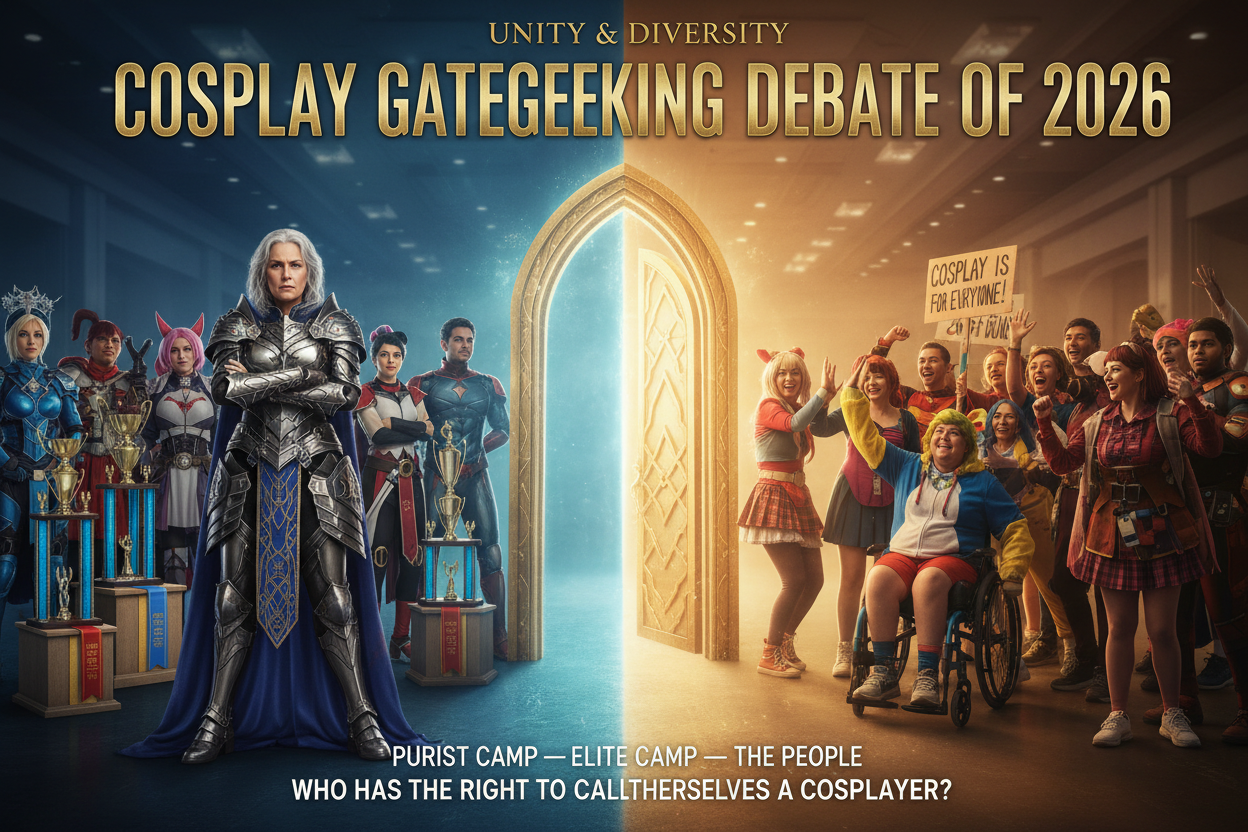
The intersection of race and costume presentation divides the online commentary space into two primary viewpoints, challenging the community to choose between rigid visual mimicry and inclusive creative freedom:
[ THE PURIST INTERNET GUARD ]
Rigid Real-World Demographics ──► Closed Gatekeeping ──► "Demographic Exclusion" (Toxic Friction)

[ THE INCLUSIVE MAIN REGISTRY ]
"Anyone Can Cosplay" ──► Character/Lore Tribute ──► "Universal Participation" (Radical Inclusion)
-
The Inclusion Ideology (The Mainstream Consensus): This perspective dictates that cosplay is an open-door art form where a creator's real-world ethnicity, skin color, body shape, or background should never restrict their choice of character. The core mission is to embody the spirit, costume, and attitude of the character. Fandom is celebrated as a universal language where a Black creator can be a flawless Sailor Moon, an Asian creator can be a phenomenal Black Panther, and a white creator can beautifully present Miles Morales.
-
The Outdated Purist Faction: Conversely, isolated internet gatekeepers occasionally try to enforce a toxic standard of "genetic accuracy," arguing that creators should only portray characters who share their exact real-world racial or ethnic profile. The modern community fiercely rejects this gatekeeping, pointing out that restricting a creative medium based on race actively harms diversity, stifles artistic expression, and contradicts the foundational joy of the subculture.
🪞 3. Defining the Structural Boundaries: Intent, Aesthetics, and Taboos
To navigate this sensitive cultural landscape smoothly, the global cosplay community maintains clear, universally recognized boundaries that separate inclusive celebration from historical insensitivity:
-
The Absolute Boundary (No Altering Skin Tones): The community draws an unyielding line regarding historical taboos like blackface or brownface. Modifying one's natural skin tone using cosmetics to mimic a character's race is strictly forbidden and widely condemned across all fandom platforms. Authentic representation means wearing the costume, styling the wig, and applying theatrical makeup while keeping your natural skin tone unaltered.
-
Respecting Cultural Motifs: When presenting characters with deep cultural roots—such as Cyno's ancient Egyptian undertones or Black Panther's African-inspired patterns—creators focus on high-fidelity reproduction of the garments, armor geometry, and canonical props, honoring the artistic design rather than commercializing real-world sacred traditions.
-
The Universality of the Garment: Recognizing that fictional characters are creative canvases meant to inspire human expression, rather than demographic templates meant to divide participants.
📊 4. The Supply Chain Registry: Engineering for Inclusive Diversity
This powerful shift toward radical inclusion has rewritten the product development rules for global manufacturing factories and e-commerce platforms. Modern consumers no longer accept restrictive, one-size-fits-all costume designs. The market demands highly adaptive, inclusive garments engineered to look spectacular across all skin tones and body structures:
| Target Character Node | The Inclusive Aesthetic Advantage | Traditional Catalog Failure | 2026 Supply Chain Standard | E-Commerce Strategy Shift |
|
Black Panther (Marvel) |
High-impact, sleek superhero silhouette that offers instant empowerment and comfort. | Cheap, non-breathable single-layer plastics that tear easily and cause overheating. | Multi-textured 3D spandex mesh blends with high-definition sublimated armor patterns and detachable molded necklaces. | Offer extensive custom-sizing options and highly adjustable collar structures to comfortably fit all body types. |
|
Cyno (Genshin Impact) |
A visually stunning, open-chest fantasy design that highlights dramatic, sculptural props. | Heavy, unyielding resin headpieces that are too heavy to wear comfortably on the convention floor. | Ultra-lightweight, high-density EVA foam accessories paired with highly adjustable, soft-strap leather harnesses. | Supply adaptable, multi-tonal base wraps and universal wig fibers that smoothly complement diverse skin undertones. |
|
Sailor Pluto (Sailor Moon) |
Timeless, elegant magical girl geometry that brings out a majestic, statuesque presence. | Super-short, non-adjustable skirts and rigid chest panels that ignore diverse human proportions. | Elastic-channeled waistlines, four-way stretch athletic bodices, and modular, deep-garnet ribbon accents. | Expand size catalogs to include comprehensive plus-size and tall options, celebrating her iconic, regal stature. |
|
Miles Morales (Spider-Man) |
The ultimate casual-comfort king, easily blending superhero wear with everyday streetwear. | Thin, transparent fabrics that lose color vibrance and sag when stretched across the body. | High-tensile, double-knit compression textiles that maintain deep, vivid graffiti-red contrasts on matte black. | Bundle the technical stretch suit directly with everyday streetwear coordinates (like custom hoodies) for instant style. |
❓ 5. Frequently Asked Questions (FAQ)
-
Q: Can I cosplay a character who belongs to a different race or ethnic background than me?
-
A: Yes, 100%. The global cosplay community stands firmly on the principle that cosplay is for everyone. Your passion for a character's story, design, and personality is the only qualification you need. As long as you do not alter your natural skin tone with makeup, cross-racial cosplay is warmly welcomed and celebrated as a wonderful testament to a character's universal appeal.
-
-
Q: What is the community's rule regarding makeup and characters of color?
-
A: The rule is simple and absolute: Do not change your skin color. Use theatrical makeup to define your eyes, contour your features, or match character-specific fantasy markings (like scars or glowing runes), but always let your natural skin tone shine through. The costume, the props, and the wig are what bring the character to life, not the shade of your skin.
-
-
Q: How can e-commerce brands better support diversity and inclusion within the community?
-
A: Brands can drive positive change by expanding their sizing charts to include authentic plus-size patterns and designing garments with highly adjustable structural points (such as elastic linings and magnetic armor snaps). Additionally, showcasing product photography featuring diverse models of various skin tones and body types helps break down online gatekeeping, signaling to every fan that your shop is a safe, welcoming space for their creative journey.
-
🎯 Conclusion: The Universal Canvas
The deep, ongoing conversations around race and representation are not a source of division, but a sign of a vibrant, mature subculture reclaiming its open-door roots. Cosplay derives its magic from its ability to break down real-world barriers, letting creators step away from the everyday world and find common ground through shared fandom. By championing legendary, accessible figures like Black Panther, Cyno, Sailor Pluto, and Miles Morales, the community sends a clear, powerful message to the world: our creativity cannot be confined by a demographic box. The beauty of the craft lies in our shared passion, reminding us that when we put on the uniform of a hero, we are united by the love of the character.

Hinterlasse einen Kommentar
Diese Website ist durch hCaptcha geschützt und es gelten die allgemeinen Geschäftsbedingungen und Datenschutzbestimmungen von hCaptcha.