💡 Systemic Briefing:
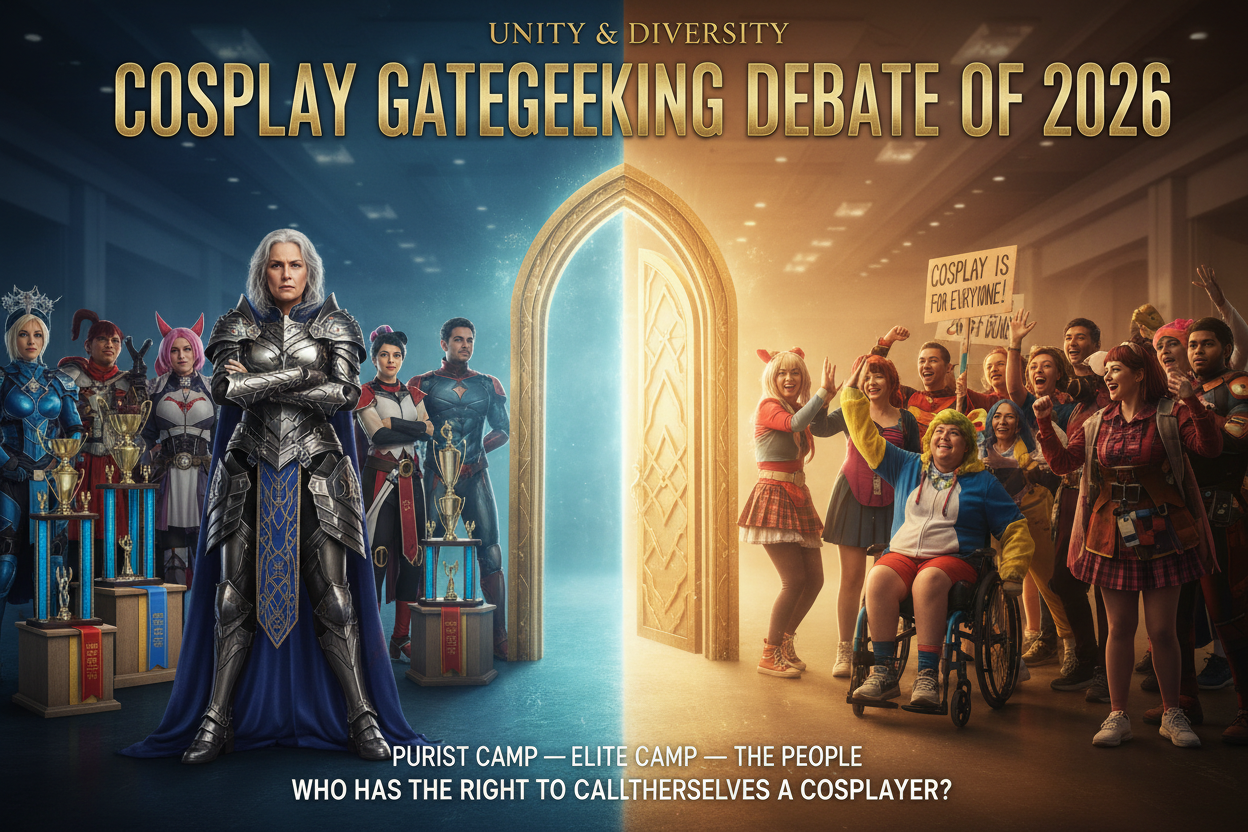
The global cosplay landscape has arrived at its most intense ideological crossroads. In 2026, as anime culture achieves complete mainstream dominance across the United States, a fierce debate over Cosplay Gatekeeping is dividing convention halls, Reddit threads, and TikTok comment sections. At its core, the friction pits the community’s traditional "Elite Guard" (who view the medium as a rigorous discipline of performance art and handmade craftsmanship) against an explosive wave of new, casual, and mainstream creators. Driven by shifting dynamics in fandom studies and fan culture, the ultimate question has taken center stage: Who has the right to call themselves a cosplayer? As mass-produced, store-bought outfits become the norm and "closet-friendly" everyday character styling dominates social media, the community is deeply divided over whether this democratization is a beautiful act of inclusion or a catastrophic dilution of subcultural standards.
1. Core Character IP Analyses: The Visual Anchors of Accessibility
To fully understand why gatekeeping debates are flaring up, we must look at characters whose iconic designs are incredibly accessible, wearer-friendly, and easy to transition from daily apparel to convention-floor representation. Because these IPs bridge the gap between beginner hobbyists and professional influencers, they have become the primary friction points for community "guardians."
🎭 Shinobu Kocho cosplay costume (Demon Slayer)
-
The Accessible Sanctuary: As a massive global phenomenon, Demon Slayer has introduced millions of mainstream fans to the hobby. A Shinobu Kocho cosplay costume is exceptionally beginner-friendly. At its core, it relies on a standard dark uniform paired with her signature butterfly-wing patterned haori jacket. For a novice or a low-budget student at Anime Expo (AX), purchasing a ready-made haori and throwing it over black casual clothes provides instant community recognition and an immediate sense of belonging.
-
The Gatekeeping Friction: Traditional craftsmanship purists frequently target these mass-produced, store-bought iterations. Gatekeepers argue that wearing an unironed, $30 Amazon or AliExpress synthetic jacket without altering the wig or styling the hair isn't "true" cosplay. They claim it turns the convention floor into a cheap Halloween pop-up, actively dismissing the economic reality that accessible, pre-made garments are the only way low-income fans or busy students can participate in the culture.
🎭 Kafka cosplay costume (Honkai: Star Rail)
-
The Accessible Sanctuary: HoYoverse has mastered the art of designing characters who look incredibly high-end yet are shockingly easy to pull off for all skill levels. A Kafka cosplay costume functions brilliantly as a high-concept piece of modern techwear and gothic lifestyle fashion. It relies on tailored coat geometry, a classic white collared shirt, dark shorts, and signature round sunglasses—items that can be easily thrifted, closet-styled, or bought as a high-quality ready-to-wear bundle.
-
The Gatekeeping Friction: Because Kafka’s aesthetic borders on high-end streetwear, she is heavily targeted by fashion influencers and TikTok creators who don't actually play the game but love her visual vibe. This triggers intense "purity tests" from the core gaming fandom. Gatekeepers frequently bombard comment sections with lore trivia, demanding to know if the creator understands Kafka's relationship with the Trailblazer. They argue that using a character's aesthetic purely for aesthetic clout or social media traction—without deep narrative investment—hollows out the true spirit of the fandom.
🎭 Mai Sakurajima cosplay costume (Rascal Does Not Dream)
-
The Accessible Sanctuary: Mai Sakurajima offers a split path for creators, but her everyday academic uniform is the ultimate safe space for low-stress, ultra-comfortable costuming. A simple beige knit sweater vest, a white button-down shirt, a gray pleated skirt, and her unmistakable purple bunny hairclip instantly establish her character identity. It requires zero complex prop manufacturing or unyielding materials, making it an incredibly welcoming option for anyone seeking absolute physical comfort.
-
The Gatekeeping Friction: The controversy spikes drastically when creators opt for her signature satin bunny suit variant. On platforms like X (Twitter) and Instagram, a fierce debate rages over the commercialization of the hobby. Hardcore fans often look down upon social media models or OnlyFans creators who buy mass-produced bunny suits purely to generate quick, algorithm-driven traffic. Traditionalists claim these creators are "exploiting" subculture aesthetics for monetary gain, while inclusive factions counter that policing a creator's background or bodily expression is a toxic form of gatekeeping that drives passionate people out of the community.
🎭 Sailor Moon cosplay costume (Sailor Moon)
-
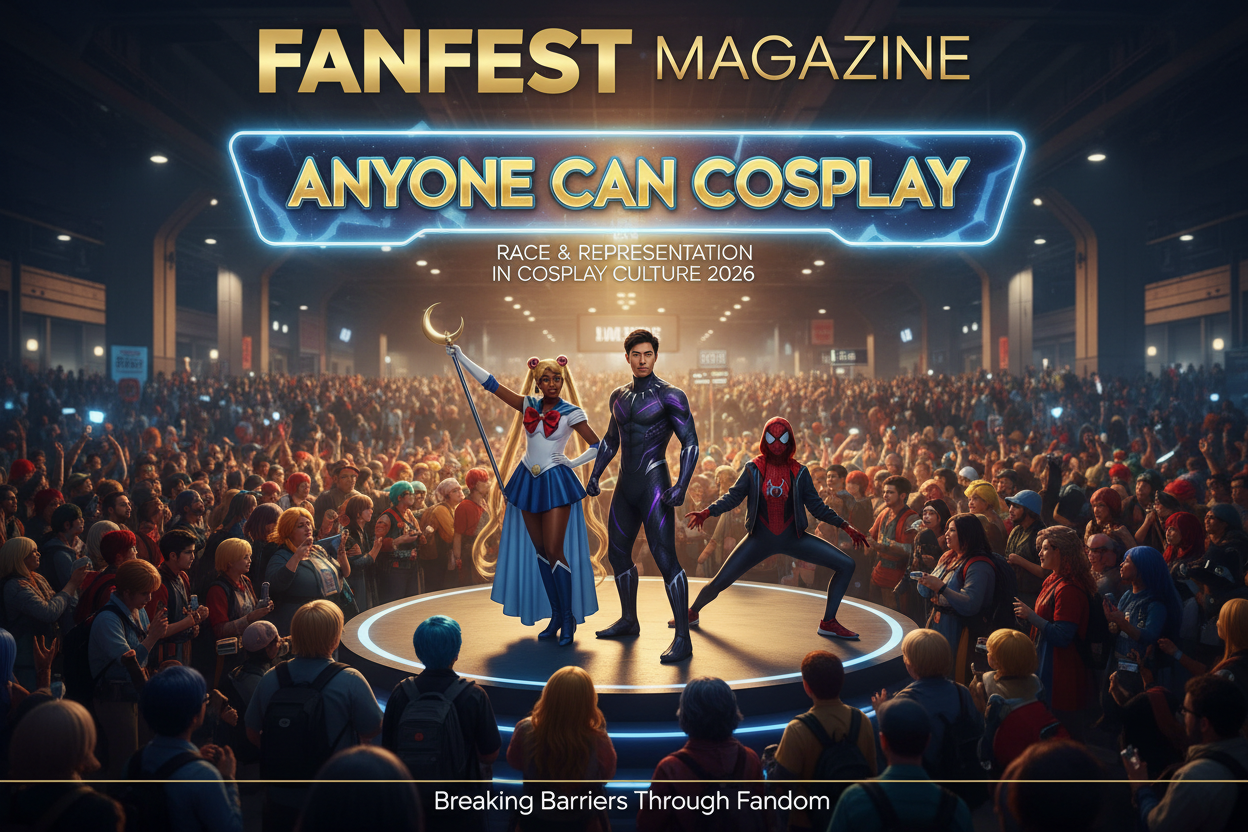
The Accessible Sanctuary: As the timeless matriarch of anime subculture, Sailor Moon’s foundational silhouette—the classic sailor-style school uniform (seifuku) with a pleated skirt and a red bow—is globally recognized by multiple generations. It is an IP completely open to interpretation: it accommodates every body type, race, and age, serving as the ultimate cross-generational bridge for anyone wanting to step into the magical girl genre.
-
The Gatekeeping Friction: Because of her legendary status, Sailor Moon is a primary battleground for body-positivity and race-inclusive debates within Western fandom studies. Gatekeepers and toxic online purists often attack creators whose physical metrics don't perfectly mimic the 1990s anime proportions, policing skin tone, height, and body shape under the guise of "accuracy." The inclusive community strongly pushes back against this behavior, asserting that the true soul of Sailor Moon is love, justice, and absolute acceptance, proving that a character's spirit matters infinitely more than rigid, exclusionary physical standards.
⚖️ 2. The Ideological Split: Fandom Purism vs. Radical Inclusion
The escalating debate over gatekeeping splits the modern community into two distinct philosophical camps, each operating with a completely different definition of subcultural authenticity:
[ THE PURIST CAMP: "THE CRITICS" ]
Handmade Dominance ──► Lore Exams ──► "Accuracy & Prestige" (Exclusive Gatekeeping)

[ THE INCLUSIVE CAMP: "THE PEOPLE" ]
Store-Bought Friendly ──► Visual Appreciation ──► "Joy & Accessibility" (Radical Inclusion)
-
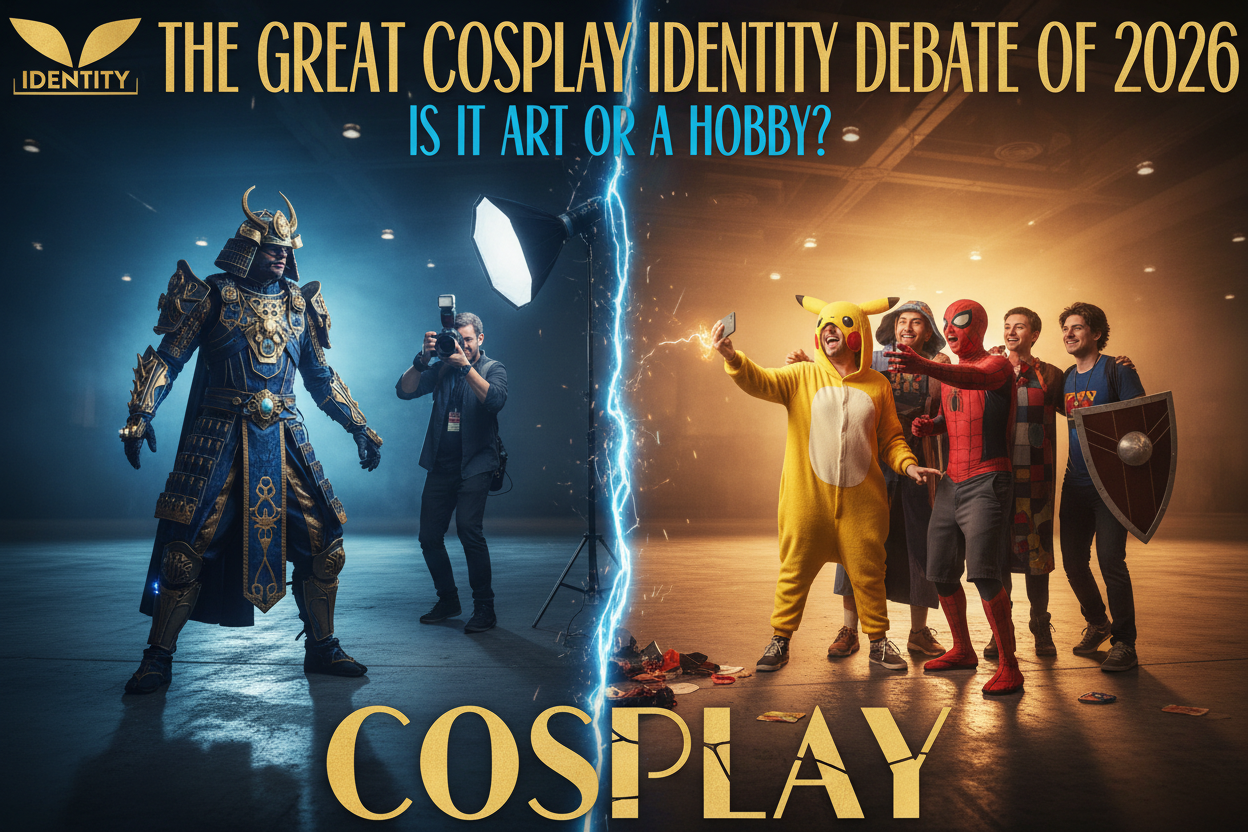
The Purist Faction (Fandom Gatekeeping): This group views cosplay as a sacred meritocracy built on manual labor, artistic transformation, and exhaustive character knowledge. They worry that the overwhelming flood of low-effort, mass-produced outfits and trend-chasing influencers is erasing the community's rich history of textile craftsmanship, turning a passionate art form into a disposable, commercialized trend cycle.
-
The Inclusive Faction (Fan Culture Democratic): This side champions the belief that cosplay belongs unconditionally to anyone who loves a character. They argue that enforcement of "purity tests"—whether demanding handmade garments, forcing creators to answer deep lore questions, or policing physical appearances—stifles creative expression and introduces harmful elitism. To them, a $30 store-bought uniform worn with genuine joy is just as valid as a $1,000 handmade masterpiece.
🪞 3. The Gatekeeping Friction Points: Mass Production & "Fake Geeks"
When looking through the lens of modern academic fandom studies, the gatekeeping debate boils down to three primary friction points that continue to divide the global community:
-
The Industrial Shift (The Crafting vs. Buying Debate): The explosion of global e-commerce has made highly accurate, affordable outfits available at the click of a button. While this lowers the barrier to entry for beginners, it frustrates veteran artisans who feel their multi-week construction processes are undervalued compared to instant, off-the-rack alternatives.
-
The "Fake Geek" Narrative (The Lore Gate): As anime enters the cultural mainstream, characters are frequently decoupled from their source material. Creators often wear outfits simply because they look stunning, creating friction with die-hard fans who believe a costume must always be backed by exhaustive canonical knowledge.
-
The Aesthetic vs. Identity Clash: The friction between those who use cosplay as a temporary visual aesthetic for digital content creation versus those who view it as a core subcultural identity and safe lifestyle sanctuary.
📊 4. The Supply Chain Registry: Standardizing for All Skill Tiers
This cultural push toward user-friendly, highly accessible cosplay has forced global supply chains and independent e-commerce platforms to completely re-engineer their catalogs. High-end buyers are no longer just seeking rigid, theatrical display pieces; they demand flexible, adaptable garment systems that look flawless whether worn by an elite stage artist or a first-time con-goer:
| Target Character Node | The Everyday Styling Advantage | Traditional Catalog Failure | 2026 Supply Chain Standard | E-Commerce Strategy Shift |
|
Shinobu Kocho (Demon Slayer) |
Effortless transition using a beautifully patterned statement piece over dark wardrobe staples. | Cheap, highly reflective polyester fabrics that look plastic and scratch the skin. | Premium matte chiffon and soft cotton-blend formulations that drape elegantly and feel comfortable all day. | Market the iconic haori as a stylish, standalone casual kimono cardigans perfect for both conventions and streetwear. |
|
Kafka (Honkai: Star Rail) |
High-concept, sophisticated techwear geometry that doubles as elegant evening fashion. | Ill-fitting, non-breathable pleather sets that fail to stretch or breathe under convention heat. | High-stretch Ponte de Roma lining combined with durable, supple synthetic leathers that move naturally with the body. | Position the listing as a versatile capsule fashion wardrobe, emphasizing real-world tailoring over cheap costume felt. |
|
Mai Sakurajima (Bunny Girl) |
A universally accessible academic look that guarantees comfort and high community recognition. | Low-grade, static-heavy synthetic blends that fall apart after a single cycle in a standard wash. | Ultra-cozy combed cotton sweater vests, tailored preppy blazers, and high-strength resin hair clips. | Offer multi-tier options separating the highly approachable school uniform set from premium-grade latex bunny options. |
|
Sailor Moon (Sailor Moon) |
A classic, recognizable school uniform silhouette that beautifully flatters all body structures. | Completely inflexible waistlines and tiny, non-inclusive size charts that alienate diverse body types. | Fully elasticized waistband channels, high-stretch spandex sailor bodices, and extensive, true-to-size extended charts. | Prioritize and champion multi-size, highly adjustable sizing options to capture the massive, inclusive consumer demographic. |
❓ 5. Frequently Asked Questions (FAQ)
-
Q: Is it okay to cosplay a character if I haven’t watched the entire anime or fully completed the game?
-
A: Absolutely. The modern consensus across the broader cosplay community heavily favors inclusion. If a character’s visual design, color palette, or personality layout inspires you, you have every right to bring them to life. Fandom is a personal journey, and discovering a fantastic new story through the act of costuming is one of the most rewarding ways to experience a new franchise.
-
-
Q: How can I handle toxic comments or gatekeepers judging my store-bought costume online?
-
A: The most effective approach is to anchor yourself in the massive, supportive networks that celebrate the hobby's accessibility. Social media algorithms can occasionally amplify negative voices, but remember that the overwhelming majority of real-world con-goers care only about shared enthusiasm and fun. Block toxic gatekeepers immediately, and surround yourself with creator spaces that value passion over budget or crafting pedigree.
-
-
Q: Does buying a pre-made costume mean I am not supporting the artistic side of the community?
-
A: Not at all. Buying pre-made costumes actually fuels an incredibly vital sector of the global subculture economy, keeping specialized apparel designers, wig stylists, and small manufacturing businesses thriving. Furthermore, many hobbyists utilize store-bought costumes as an exceptional canvas for entry-level customization—learning how to style a pre-made wig, weather a fabric seam, or modify a prop weapon at their own comfortable pace.
-
🎯 Conclusion: Reclaiming the Open Door
The intense gatekeeping debates of 2026 are ultimately growing pains of a subculture transitioning into a global creative sanctuary. While the elite guardians of the old school will always play a vital role in preserving the staggering heights of manual craftsmanship, the true lifeblood of cosplay has always been its extraordinary power to bring people together. By embracing accessible IPs like Shinobu, Kafka, Mai, and Sailor Moon, the community proves that the beauty of the hobby doesn't live within the price tag of a fabric or the hours spent at a sewing machine—it lives in the fearless, joyful decision to step out of our everyday worlds and celebrate the characters we love together.

Hinterlasse einen Kommentar
Diese Website ist durch hCaptcha geschützt und es gelten die allgemeinen Geschäftsbedingungen und Datenschutzbestimmungen von hCaptcha.