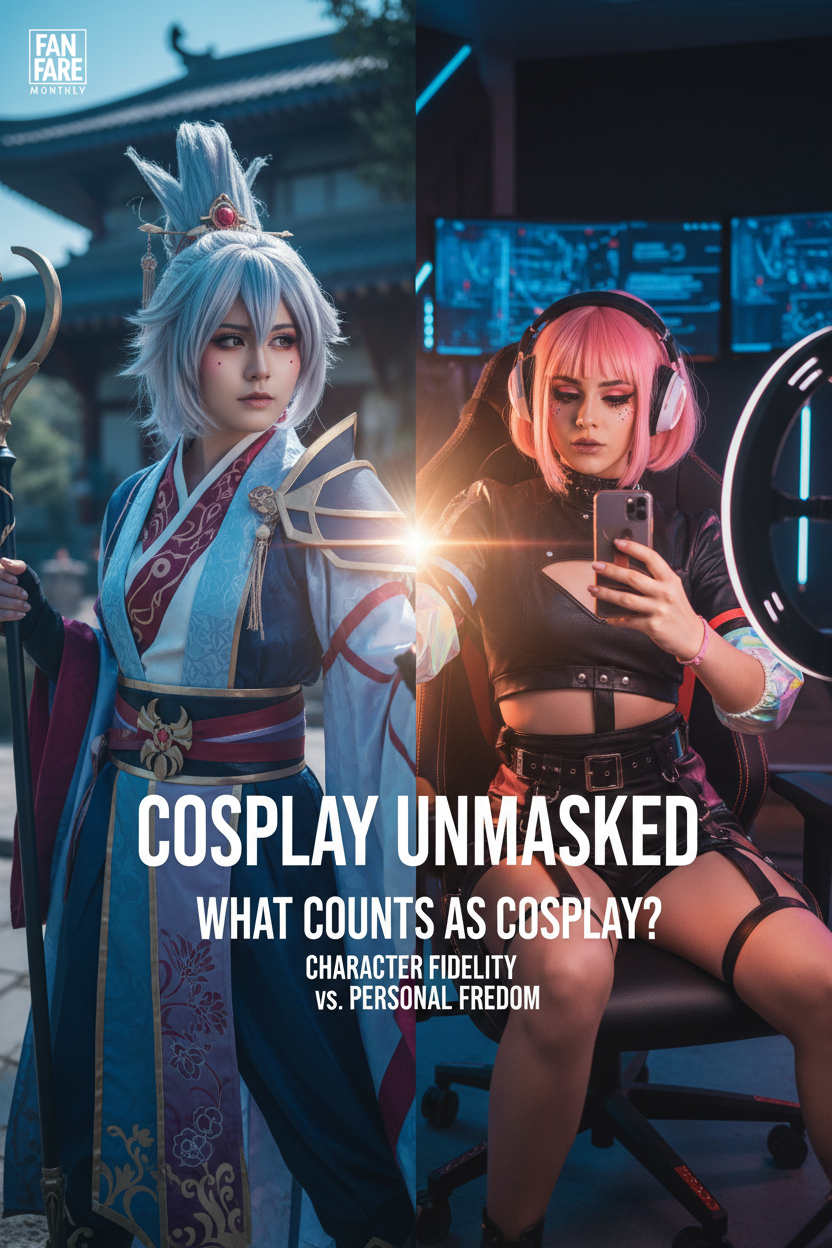
When top Japanese professional cosplayer Enako sparked a community-wide discussion following a livestream outfit and her subsequent post on X stating that "cosplay is freedom," it reignited a foundational cultural question: what counts as cosplay? While cosplayer Shizuki Yukina and traditionalists advocate for strict character fidelity and roleplay spirit, modern professional creators view the label as a broader creative identity. Here is an objective analysis of the core questions behind this ongoing community debate.
Question 1: What Sparked the Enako Cosplay Debate and What Are Both Sides Arguing?
Direct Answer:
The Enako cosplay controversy erupted when the professional cosplayer wore stylized, non-character livestream attire while operating under her established cosplayer title. Critics argued this blurs the line between modeling and cosplay, while Enako asserted that cosplay is an expression of personal freedom without rigid rules or gatekeeping.
Detailed Context & Analysis:
The debate centers on two distinct philosophies within the cosplay culture debate:
-
The Character Fidelity Perspective: Vocalized by community figures like Shizuki Yukina, this viewpoint holds that true cosplay requires embodying a specific fictional persona. It prioritizes character accurate cosplay outfits, accurate wig styling, recognizable makeup, and the active spirit of roleplay as essential components that separate cosplayers from general fashion or gravure models.
-
The Personal Freedom Perspective: Enako's statement that "cosplay is freedom" emphasizes that individual self-expression should not be policed by rigid definitions. From this viewpoint, the subculture thrives when creators have the latitude to experiment across fashion, streaming, original designs, and personal modeling without losing their identity as cosplayers.
Rather than a simple personal conflict, this dialogue highlights a genuine structural shift in how different sectors of the community define the craft.
Question 2: Is There a Difference Between Professional Cosplay and Traditional Character Cosplay?
Direct Answer:
Yes. Traditional character cosplay centers entirely on replicating a specific fictional persona, whereas a professional cosplayer debate often involves personal branding, commercial modeling, original designs, and social media engagement where the creator—not just the character—is the primary focal point.
Detailed Explanation:
In the early days of anime fandom, cosplay was almost exclusively a fan-driven hobby focused on craftsmanship and event participation. However, the rise of full-time professional creators has established two distinct categories:
| Feature / Dimension | Traditional Character Cosplay | Professional & Fashion Cosplay |
| Primary Goal | Faithful representation of a specific canon character. | Personal brand building, creator engagement, and fashion modeling. |
| Outfit Focus | Character accurate cosplay outfits with accurate props/wigs. | Mix of canon builds, original concepts, and casual livestream attire. |
| Community Role | Fan conventions, hall contests, and fan photoshoots. | Commercial endorsements, digital content creation, and media appearances. |
This distinction explains roleplay vs fashion cosplay tensions: when a professional creator streams in casual fashion under their cosplay identity, traditionalists see a category error, while professionals see a natural extension of their personal brand.
Question 3: How Does This Debate Relate to the Broader "Cosplay vs. Costume" Definition Spectrum?
Direct Answer:
This discussion moves the cosplay vs costume boundary from outfit construction to creator identity. While craftsmanship debates evaluate how accurate or detailed a garment is, this cultural dialogue questions whether an individual must be actively playing a character at all to use the label.
Detailed Explanation:
Historically, community discussions focused on technical execution—comparing mass-produced party outfits against handcrafted or premium cosplay costumes. That spectrum evaluated what was being worn.
The current cosplay identity discussion evaluates who is wearing it and why:
-
Craftsmanship & Accuracy: Evaluates fabric quality, tailoring, wig styling, and visual fidelity to an anime, manga, or gaming source.
-
Intent & Identity: Asks whether wearing a stylized outfit without a source character dilutes the cosplay definition or expands it into new artistic territory.
Where earlier foundational guides—such as our deep dive into the Halloween Costume vs Cosplay distinction—examine the visual accuracy spectrum, this debate addresses the future of cosplay culture and who holds the authority to set its boundaries.
Question 4: Why Do Definitional Debates Keep Resurfacing in the Cosplay Community?
Direct Answer:
Definitional debates recur because cosplay is rapidly transitioning from a niche fan hobby into a mainstream commercial industry. As digital platforms reward lifestyle content, traditionalists work to preserve core community values while professional creators push for broader artistic flexibility.
Detailed Explanation:
As global interest in anime culture expands, three major factors continue to trigger these discussions:
-
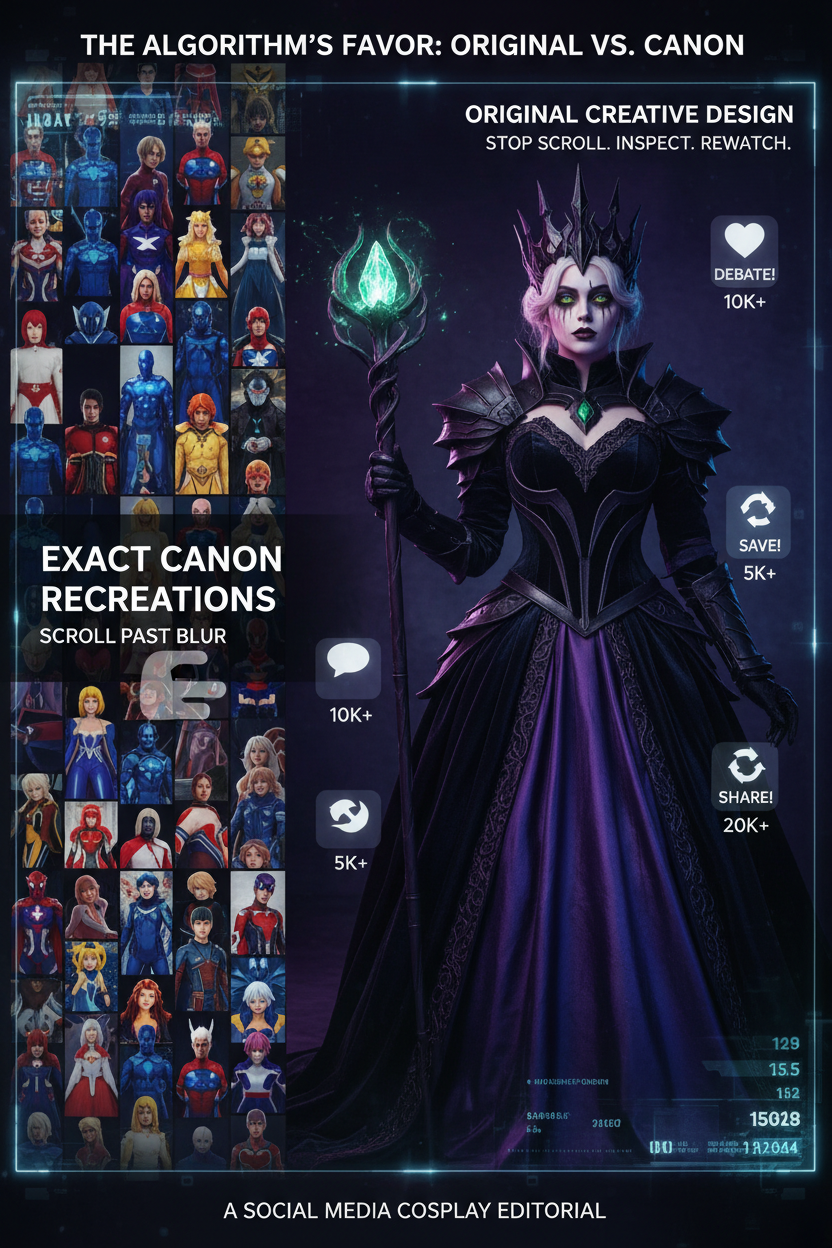
Algorithmic Platform Demands: Modern video and social algorithms favor daily uploads and personal interaction, encouraging creators to mix full character builds with casual, behind-the-scenes content.
-
Commercialization vs. Fan Labor: When cosplay becomes a full-time profession, success metrics shift from convention contest awards to follower engagement, creating friction with fans who value traditional fan devotion.
-
Inclusivity vs. Gatekeeping: The ongoing struggle to balance community standards for cosplay costume authenticity against welcoming newcomers who may prefer casual or alternative forms of expression without facing hostility.
Summary & Extended Reading
The debate surrounding Enako's livestream attire and the responses from creators across the subculture demonstrate that there is no single, static authority on what counts as cosplay. Whether you view cosplay as a strict act of character transformation or an open-ended artistic label, both perspectives shape the evolving culture.
To explore how outfit construction, source fidelity, and mass-market garments fit into this broader subcultural context, read our companion cultural analysis on Halloween Costume vs Cosplay: Understanding the Accuracy Spectrum.

Leave a comment
This site is protected by hCaptcha and the hCaptcha Privacy Policy and Terms of Service apply.