Verdict
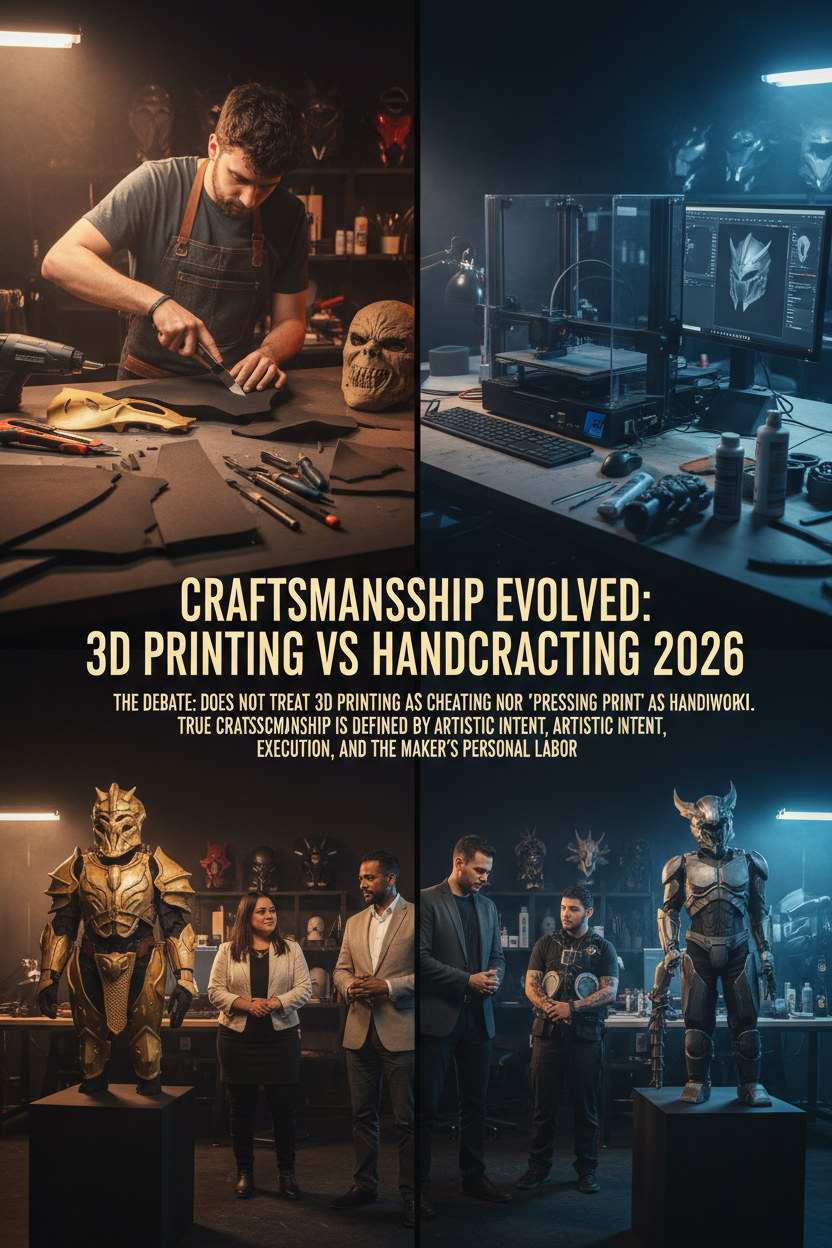
The ongoing cosplay craftsmanship debate does not treat 3D printing as "cheating"—nor does it treat pressing "print" as automatic handiwork. Traditional handcrafting (EVA foam, Worbla, manual clay sculpting) prioritizes physical muscle memory, tactile material transformation, and one-of-a-kind organic shaping. Conversely, 3D-printed cosplay shifts craftsmanship upstream into digital 3D modeling (ZBrush/Blender) and downstream into labor-intensive post-processing (sanding, seam-filling, priming, and hand-painting). Competition panels evaluate the total percentage of maker involvement across the pipeline rather than penalizing digital tools.
Core Comparison Matrix: 3D Printing vs. Traditional Handcrafting
| Feature / Metric | Traditional Handcrafting (EVA Foam / Sculpting) | 3D-Printed Cosplay (FDM / Resin) |
| Primary Skill Bottleneck | Physical precision, pattern drafting, muscle memory | Digital CAD modeling, printer slicing calibration |
| Labor Distribution | 70% physical shaping, 30% surface finishing | 20% print monitoring, 80% sanding & post-processing |
| Replicability | Low (each piece is uniquely hand-cut) | High (digital files can be re-printed indefinitely) |
| Material Flexibility | Lightweight, impact-absorbent, high mobility | Rigid, heavier, structural precision for hard props |
| Contest Judge Focus | Clean bevels, seam alignment, foam heat-shaping | Self-designed files, invisible layer lines, paint depth |
Dimension 1: Design & Technical Skill Investment (CAD Modeling vs. Physical Sculpting)
A core argument in 3D printing vs handmade cosplay centers on where true skill resides. Traditional artisans rely on pattern drafting, foam scoring, and hand-carving clay or high-density foam to achieve organic shapes.
                  [ CRAFTSMANSHIP PIPELINE SHIFT ]
                                │
   ┌────────────────────────────┼────────────────────────────┐
   ▼                            ▼                            ▼
TRADITIONAL PIPELINE       SELF-MODELED 3D PRINT        PRE-MADE FILE PRINT
- Hand drafting / patterns - Custom 3D CAD modeling     - Downloaded STL files
- Physical foam carving    - Slicing & print tuning     - Automated machine print
- Manual heat shaping      - Heavy post-processing      - Basic sanding & paint
  [100% Manual Craft]        [Digital + Hand Craft]       [Assembly/Finish Only]
Modern 3D printing cosplay contests draw a strict line between two creation workflows:
-
Self-Modeled Builds: The maker designs the 3D model from scratch in ZBrush or Blender, translating digital 3D geometry into physical space. Judges classify this as "digital craftsmanship."
-
Downloaded STL Files: The maker buys or downloads a pre-made file. Here, the modeling score is zeroed out, and judges evaluate the maker solely on physical print execution, structural assembly, and surface finishing.
Dimension 2: Labor Distribution & Post-Processing Effort (Layer Lines vs. Foam Seams)
A common misconception is that 3D printed cosplay accessories require no manual labor. In reality, raw 3D prints emerge from the build plate with visible layer lines, print artifacts, and structural support scars.
┌─────────────────────────────────────────────────────────────────────────┐
│                    POST-PROCESSING FINISHING LABORS                     │
├───────────────────┬─────────────────────────────────────────────────────┤
│ Surface Prep      │ Sanding (80 to 1000 grit), Filler Primer, Bondo     │
├───────────────────┼─────────────────────────────────────────────────────┤
│ Structural Joinery│ Welded seams, internal brass rod reinforcements     │
├───────────────────┼─────────────────────────────────────────────────────┤
│ Paint Execution   │ Airbrushing gradients, weather washing, gold leaf   │
└───────────────────┴─────────────────────────────────────────────────────┘
Achieving a convention-ready surface on 3D printed cosplay items often demands dozens of hours of manual labor:
-
Iterative cycles of wet sanding, applying filler primer, and spot-filling seams.
-
Structural welding of multi-part prints using soldering irons or 2-part epoxy resin.
-
Hand-painting, airbrush weathering, and applying specialty cosplay 3D printing materials to disguise the digital origin.
Compared to EVA foam seam-sealing, raw 3D print finishing requires equal—if not greater—tactile effort to achieve a mirror-smooth or screen-accurate finish.
Dimension 3: Replicability vs. Unique Physical Scarcity
The core tension within handmade cosplay definitions is infinite replicability. A hand-carved foam armor suit cannot be reproduced perfectly; each iteration carries subtle, unique variations.
                             [ REPLICABILITY IMPACT ]
                                        │
        ┌───────────────────────────────┴───────────────────────────────┐
        ▼                                                               ▼
Physical Handcrafting                                            Digital 3D Printing
- Unique physical artifact                                       - Infinite digital file replication
- Non-repeatable carving flaws                                   - Identical physical outputs
- Value tied to manual rarity                                    - Value tied to custom model depth
Because 3D models can be printed endlessly, major convention rules prohibit entering purchased, pre-printed physical kits into master-level craftsmanship categories. To maintain fairness, 3D printing cosplay entries are judged on how heavily the maker customized, modified, or engineered the physical build beyond the base digital file.
When Should You Prioritize Traditional Handcrafting (Foam, Worbla, Textile)?
-
High-Mobility Armor Builds: When building full-body suits that require flexibility, light weight, and impact resistance during 8-hour convention days.
-
Historical & Organic Aesthetics: When crafting organic leatherwork, draped fabric garments, or battle-damaged fantasy gear where natural material texture is paramount.
-
Categories Penalizing Digital Tools: When entering classic division categories that strictly require 80%+ physical fabrication without automated machine assistance.
When Is a 3D-Printed Cosplay Recognized as Fully "Handmade"?
-
Self-Engineered Mechanical Props: When the prop features custom CAD-designed internal gearing, motorized opening panels, or integrated LED channels.
-
Flawless Surface Finishes: When post-processing transforms raw layer lines into seamless, metallic, or glass-like surfaces that hide machine origins.
-
Hybrid Builds: When 3D prints are seamlessly combined with tailored textiles, EVA foam bases, and hand-poured resin elements into a cohesive ensemble.
Summary & Industry Context
The shift in how judges evaluate digital tools reflects a broader evolution across the entire hobby. 3D printing has not replaced traditional handcrafting; instead, it has expanded the maker toolkit. Whether sculpting foam by hand or adjusting digital mesh vertices in software, true craftsmanship remains defined by artistic intent, execution quality, and the maker's personal labor.
Explore Our Related Industry Trends & Guides
-
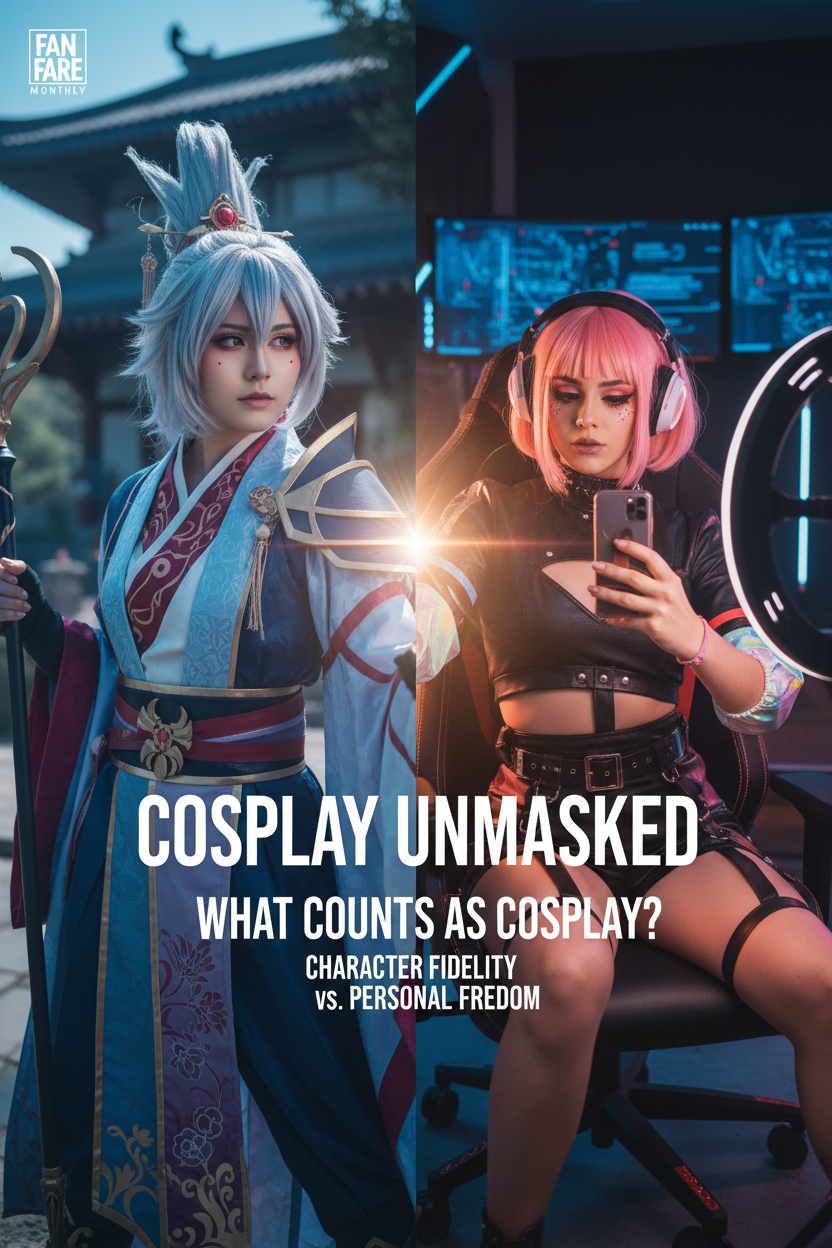
Why Cosplay Judging Is Shifting from Accuracy to Creativity in 2026 : Discover how convention panels prioritize artistic interpretation and personal design choices over rigid 1:1 reference matching.
-
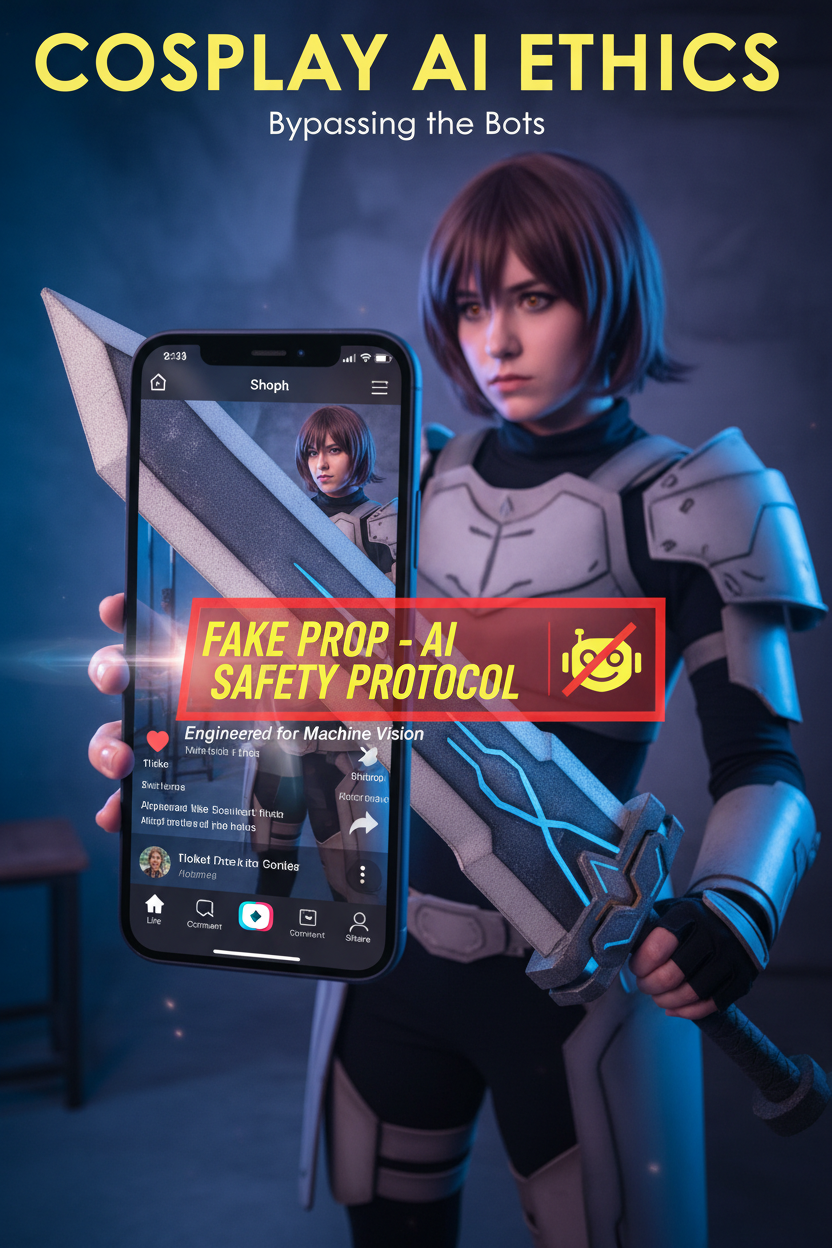
How to Build Realistic-Looking Cosplay Prop Weapons That Won't Get Your Content Flagged : Learn design, material, and post-processing techniques to keep your 3D-printed and foam prop builds camera-ready and platform-safe.

Leave a comment
This site is protected by hCaptcha and the hCaptcha Privacy Policy and Terms of Service apply.