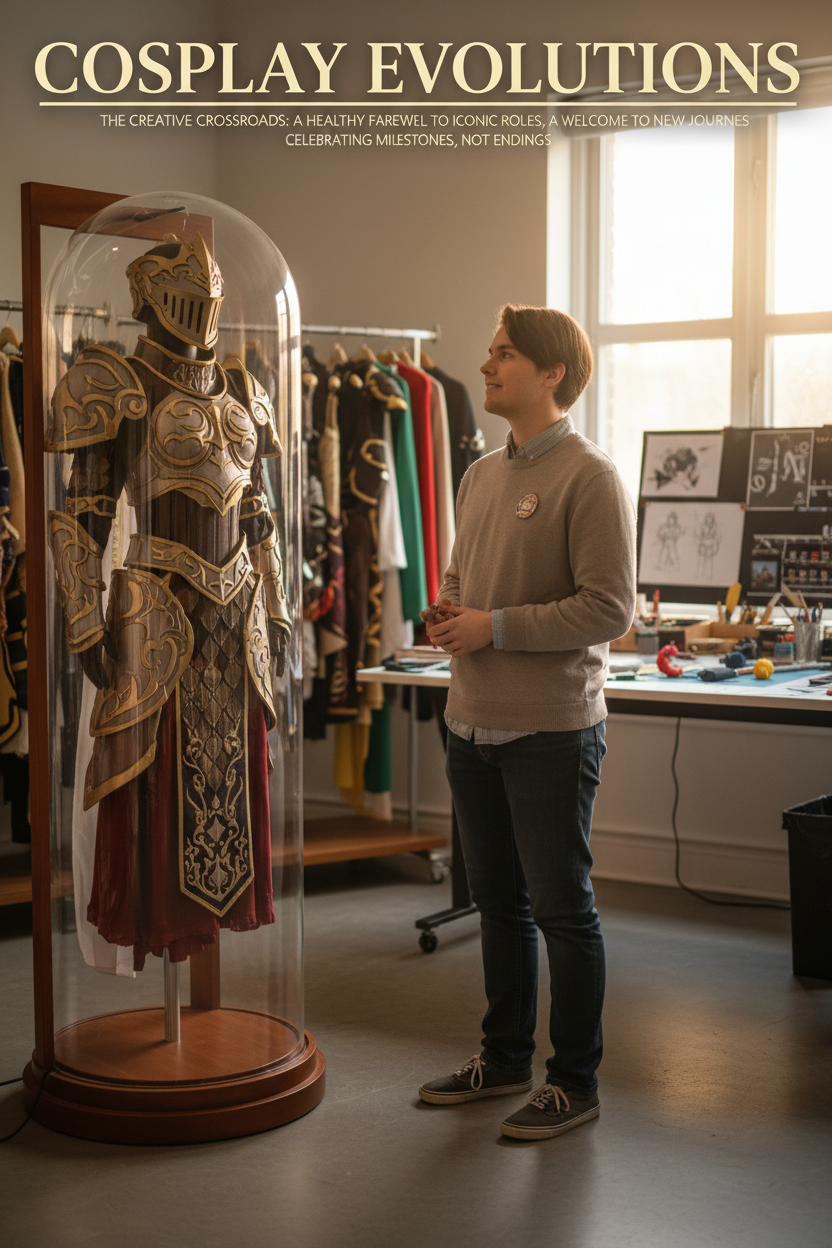
Verdict: Retaining a signature cosplay character works best when the emotional connection remains vibrant and the costume continues to bring joy during conventions. Conversely, choosing character retirement cosplay becomes the healthier decision when a costume feels like an obligation, physical maintenance outpaces enthusiasm, or your personal identity has evolved past the character's narrative arc.
Core Comparison Matrix: Active Signature Character vs. Character Retirement
| Feature / Dimension | Active Signature Character | Character Retirement & Archiving |
| Primary Motivation | Ongoing emotional resonance, community recognition, and creative refinement. | Personal growth, mental reset, and making physical space for new projects. |
| Fandom Connection | Active participation in current canon, fan groups, and meetups. | Nostalgic appreciation; moving from active representation to fond memory. |
| Wardrobe Impact | Requires ongoing storage, active repairs, wig restyling, and mobility. | Leads to cosplay wardrobe archive storage, resale, or upcycling. |
| Algorithmic Role | Serves as predictable content for followers who expect the "look." | Breaks content stagnation; signals a new chapter in cosplayer identity. |
| Cost & Effort | Continuous micro-investments in upgrades, props, and maintenance. | One-time decision to preserve, sell, or repurpose components. |
Dimension 1: Identity Alignment and Emotional Resonance
For years, choosing a character was treated as a long-term commitment. In many online spaces—from Tumblr fandom pockets to senior convention panel groups—a cosplayer's online handle and public persona were often synonymous with a single iconic character.
However, cosplay identity evolution is changing this dynamic. A key cultural turning point occurred following the conclusion of major long-running franchises like the Evangelion movie quadrology. When a narrative officially ends, the community faces a quiet reality: the active lifecycle of a character eventually reaches a natural conclusion.
-
Active Characters: Represent your current creative skills, aesthetic preferences, and social identity. Wearing them feels effortless because your personal energy matches the character's persona.
-
Retired Characters: Feel like wearing a snapshot of who you used to be. Holding onto a long-term cosplay character solely out of habit can lead to emotional burnout, turning what was once a passion project into a performance required by audience expectation.
Dimension 2: Algorithmic Content Pressure vs. Fandom Lifecycle
The decision to retire a cosplay character intersects directly with modern content creation. While short-form video platforms reward creators who repeatedly post the same recognizable outfit, this creates a conflict between creator authenticity and algorithmic demand.
This dynamic differs fundamentally from the concept of short-term trend speed. Where rapid trend shifts dictate how quickly new characters peak and cool off in public interest, character retirement focuses on the creator's internal relationship with an established outfit over several years.
+-----------------------------------------------------------------------+
|                       THE COSPLAY LIFECYCLE                           |
+-----------------------------------------------------------------------+
| 1. Discovery & Crafting  -->  2. Peak Event & Photoshoots              |
| 3. Signature Status      -->  4. Maintenance Fatigue / Narrative End   |
| 5. Formal Archiving / Character Retirement                            |
+-----------------------------------------------------------------------+
When a character's canon story concludes or your personal interest shifts, continuing to craft content around that character solely for engagement creates friction. Recognizing the cosplay fandom lifecycle allows cosplayers to step away from content treadmills and reclaim control over their creative direction.
Dimension 3: Wardrobe Space, Repair Exhaustion, and Collection Management
Beyond emotional alignment, physical constraints play a pragmatic role in retiring a cosplay character. Elaborate costumes, tailored outerwear, and structured props demand substantial storage space and routine maintenance.
-
Ongoing Upkeep: High-wear costumes eventually reach a point where seam repairs, prop re-gluing, and wig detangling require more labor than constructing a new outfit.
-
Collection Strategy: Transitioning to cosplay costume collection management involves deciding whether to store a retired suit in climate-controlled garment bags, pass it down to a friend, or list it on secondhand markets. Treating a retired suit as a premium cosplay costume investment ensures that even after its active run, the craftsmanship is preserved or passed along to another fan.
When Should You Keep Wearing Your Signature Character?
Maintaining an active signature character remains the right choice under specific conditions:
-
Unbroken Creative Passion: You still find genuine excitement in styling the wig, putting on the makeup, or discovering new poses and interpretations.
-
Craftsmanship Upgrades: You view the costume as a living project—frequently updating materials, tailoring fit, or adding movie-accurate details.
-
Community Connection: The character serves as a anchor for fan groups, group cosplays, or charity events where your presence brings shared joy.
When Is It Time to Formally Retire and Archive a Character?
It is time to consider cosplay character retirement if you experience the following indicators:
-
Physical Discomfort & Repair Burnout: The costume requires constant emergency repairs during conventions, or no longer fits comfortably.
-
Emotional Detachment: You no longer follow the source material, or playing the character feels incongruous with your current personal identity.
-
Storage Constraints: The outfit takes up valuable closet space that could be allocated toward new creative endeavors.
-
Desire for Creative Evolution: You feel trapped by your followers' expectations and want room to explore different genres, craftsmanship techniques, or character archetypes.
Summary and Next Steps
Character retirement is not a failure or a sign of giving up on a fandom; it is a healthy, natural milestone in every cosplayer's creative lifecycle. Archiving a beloved costume honors the memories, friendships, and skill growth associated with it while clearing physical and mental space for your next chapter.
If you are evaluating your current closet, start by cataloging your builds into active wear, repair candidates, and retirement projects. For a deeper look into how fast-moving media cycles affect what we choose to build in the first place, read our companion analysis on Trend Cycle Compression in Cosplay.

コメントを書く
このサイトはhCaptchaによって保護されており、hCaptchaプライバシーポリシーおよび利用規約が適用されます。