Introduction: The Choice Between Ready-to-Wear and Custom Crafting
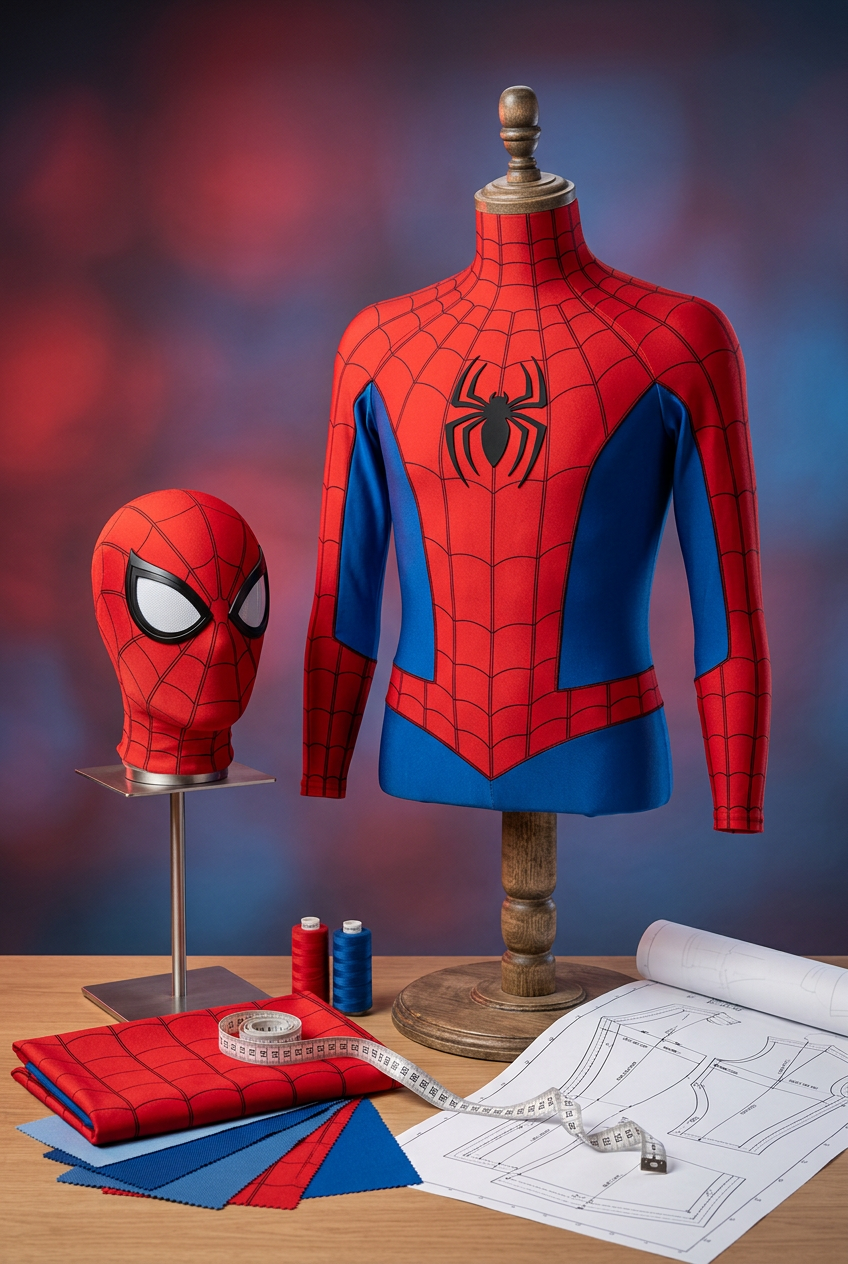
Tom Holland's hand-sewn, bright red-and-blue suit introduced at the end of the cinematic era has become an instant fan favorite across convention floors. Recreating the Spider-Man: Brand New Day suit offers two paths: buying an off-the-rack patterned zentai suit with built-in hardware, or crafting a custom, screen-accurate replica from scratch using puff paint, face shells, and street-wear modifications.
Before deciding your build route, review the core tools and materials list:
-
Option A (Commercial Suit Route): 4-way stretch 250g Lycra bodysuit, magnetic lens face shell set, concealed U-shaped zippers, and silicone soles.
-
Option B (DIY Scratch Build Route): Printed 4-way stretch spandex pattern, 3D dimensional fabric puff paint (black & silver), liquid latex, high-density EVA foam, magnet pairs, and rubber athletic shoe insoles.
-
Essential Accessories: Quick-dry fabric glue, airbrush kit, heat gun, and a Spider-Man Brand New Day cosplay suit for sale for base fittings.
Step 1: Evaluating Pre-Made Suit Specs vs. Sizing Pitfalls
Purchasing a ready-to-wear suit saves dozens of tailoring hours, but requires close attention to fabric specs and manufacturer sizing templates.
-
Assess Fabric Grammage & Print Quality: Look for 4-way stretch Lycra/Spandex rated at 220g/m² or higher. Cheaper polyester suits stretch thin across the thighs and glutes, causing color fading or white sheen show-through under convention lights.
-
Check Custom Sizing Options: Off-the-rack sizing grids often result in loose fabric gathering at the lower back or armpits. Opt for made-to-measure tailoring whenever possible, or prepare to take in side seams yourself for a second-skin fit.
-
Inspect Upgraded Hardware: Verify whether the pre-made suit includes a detachable mask, concealed U-zipper across the shoulders, and integrated rubber foot pads. Reviewing an in-depth Spider-Man costume review helps confirm hardware durability before buying.
Step 2: Crafting the Suit from Scratch — Pattern, Fabric & Web Details
For creators choosing the DIY scratch route, recreating the suit's raised black webbing and vibrant metallic chest emblem brings screen accuracy to life.
-
Source the Pattern: Download a high-resolution Brand New Day sewing pattern designed for 4-way stretch fabric dye sublimation.
-
Apply 3D Raised Webbing: Lay the flat printed panels over a dress form. Carefully trace every web line using black 3D dimensional fabric puff paint or liquid silicone dispenser tubes to achieve raised, tactile web lines.
-
Weathering & Battle Damage (Optional): If building a battle-damaged variant inspired by cinematic street fights, use an airbrush with dark charcoal acrylics along suit seams, adding subtle distress tears lined with dark under-layers.
Step 3: Face Shell, Magnetic Lenses, and Shoe Integration
Whether buying or making your suit, the mask structure determines your overall head silhouette and breathing comfort.
-
Fit the Ergonomic Face Shell: Place a lightweight 3D-printed plastic or flexible resin face shell beneath the mask to maintain a round, heroic head shape and keep fabric from pressing against your mouth.
-
Install Magnetic Lens Frames: Glue neodymium magnets inside the eye sockets of your face shell, pairing them with matching magnets on your outer mesh lenses. This allows you to pop off lenses easily for quick ventilation or phone checks during conventions.
-
Integrate Concealed Soles: Glue low-profile flexible rubber athletic soles directly onto the underside of your suit feet using high-tack contact cement to protect your fabric during long walks.
Troubleshooting & Common Build Pitfalls to Avoid
-
Fabric Sagging at the Joints: Wrinkles at the knees and elbows indicate an oversized base pattern. Turn the suit inside out and pin the inner inseam tighter along the inner legs and forearms.
-
Lens Fogging During Photoshoots: Breath moisture traps quickly inside closed face shells. Drill micro ventilation holes along the nostrils and jawline of your face shell, and apply anti-fog spray to the interior mesh lenses.
-
Puff Paint Cracking On Flex Points: Standard acrylic paint snaps when spandex stretches. Always mix fabric medium into your paint or use specialized elastic puff paint designed specifically for stretch textiles.
Conclusion & Next Steps
Deciding between buying a pre-made outfit or building a Spider-Man DIY suit depends on your budget, timeline, and desire for custom details. Exploring a Tom Holland Spider-Man cosplay guide helps fine-tune your accessories before stepping out. Check out our store section for a Spider-Man Brand New Day cosplay suit for sale to kickstart your hero transformation today!

コメントを書く
このサイトはhCaptchaによって保護されており、hCaptchaプライバシーポリシーおよび利用規約が適用されます。