
Introduction / TL;DR
Dune: Part Three brings a darker visual direction to Denis Villeneuve's science-fiction universe, creating new cosplay opportunities for Paul Atreides, Chani, Alia, and Scytale. The film is scheduled to open internationally beginning December 16, 2026, with its North American release on December 18.
For cosplayers, the most useful starting point is costume designer Jacqueline West's November 2026 interview with Vogue. Her explanations reveal how the characters' clothing reflects their changing identities, from Paul's heavy imperial robes to Chani's traditional Fremen stillsuit and Alia's unsettling white monastic appearance.
Quick cosplay planning guide:
-
Emperor Paul: Focus on substantial layered robes, rich textures, leather details, and embroidery.
-
Chani: Preserve the recognizable Fremen stillsuit silhouette and practical desert-ready appearance.
-
Alia Atreides: Explore white, elongated monastic silhouettes, dramatic headwear, and controlled makeup details.
-
Scytale: Use an unsettling, formal silhouette inspired by historical ecclesiastical clothing, while keeping the character's shapeshifting identity in mind.
The following guide separates confirmed film-design information from practical cosplay interpretations, so fans can develop recognizable costumes without treating unverified details as official.
1. Why Is Dune Part Three Cosplay Different From the Previous Films?
The most important change in Dune: Part Three is not simply a new collection of costumes. It is the passage of time and the psychological transformation of its characters.
According to Warner Bros.' official synopsis, the story takes place nearly two decades after Paul Atreides seized control of the Imperium. Paul is now an emperor confronting the consequences of his rule, while Chani remains central to the developing conflict. The film introduces additional threats, including Scytale, a Face Dancer associated with the Bene Tleilax.
The official trailer was released on July 8, 2026. Its closing line, "Forgive me for all I've done," establishes the emotional direction of the story and gives viewers a glimpse of Paul's troubled relationship with power.
The North American release is December 18, 2026, while international theatrical releases begin December 16.
The Costume Design Has a Darker Historical Influence
In a November 6, 2026, British Vogue interview, costume designer Jacqueline West explained that the third film required a different visual direction.
The earlier films used her concept of "modieval," combining modern and medieval influences. For the final installment, she moved toward a darker, more Renaissance-like visual language.
Her research included:
-
Paintings by Francisco Goya.
-
Early papal and ecclesiastical imagery.
-
Etruscan and North African clothing traditions.
-
The sculptural fashion language of Cristóbal Balenciaga.
-
Historical religious garments and silhouettes.
This approach is important for cosplay because it explains why the new costumes should not simply reproduce the visual language of the first two films.
The characters have changed, and their clothing communicates that development.
What the Academic Research Says About Cosplay Accuracy
Cosplay research offers a useful way to understand why character interpretation matters.
In their peer-reviewed 2012 article, "Cosplay": Imaginative Self and Performing Identity, Osmud Rahman, Wing Sun Liu, and Brittany Hei Man Cheung examined cosplay as a participatory practice involving authenticity, emotional attachment, identity, and performance.
Their research helps explain why a successful cosplay is not necessarily a perfect copy of every costume detail. The way a cosplayer interprets and performs a character is also part of the experience.
A related study by Anastasia Seregina and Henri A. Weijo, published in the Journal of Consumer Research in 2017, examines cosplay as a resource-intensive craft and communal consumption practice. It discusses the material, temporal, and skill-related demands of cosplay, as well as the importance of collaboration.
Applied to Dune: Part Three, these studies support a practical principle: prioritize the details that communicate the character's identity, then develop the construction techniques and materials needed to reproduce those details.
They do not establish which Dune characters will become the most popular cosplay choices. That would require separate audience or cosplay-community data.
2. How to Build the Four Main Dune Part Three Cosplay Looks
The four characters offer very different approaches to costume construction. Some depend on complex fabric work, while others rely on silhouette, surface details, and recognizable accessories.
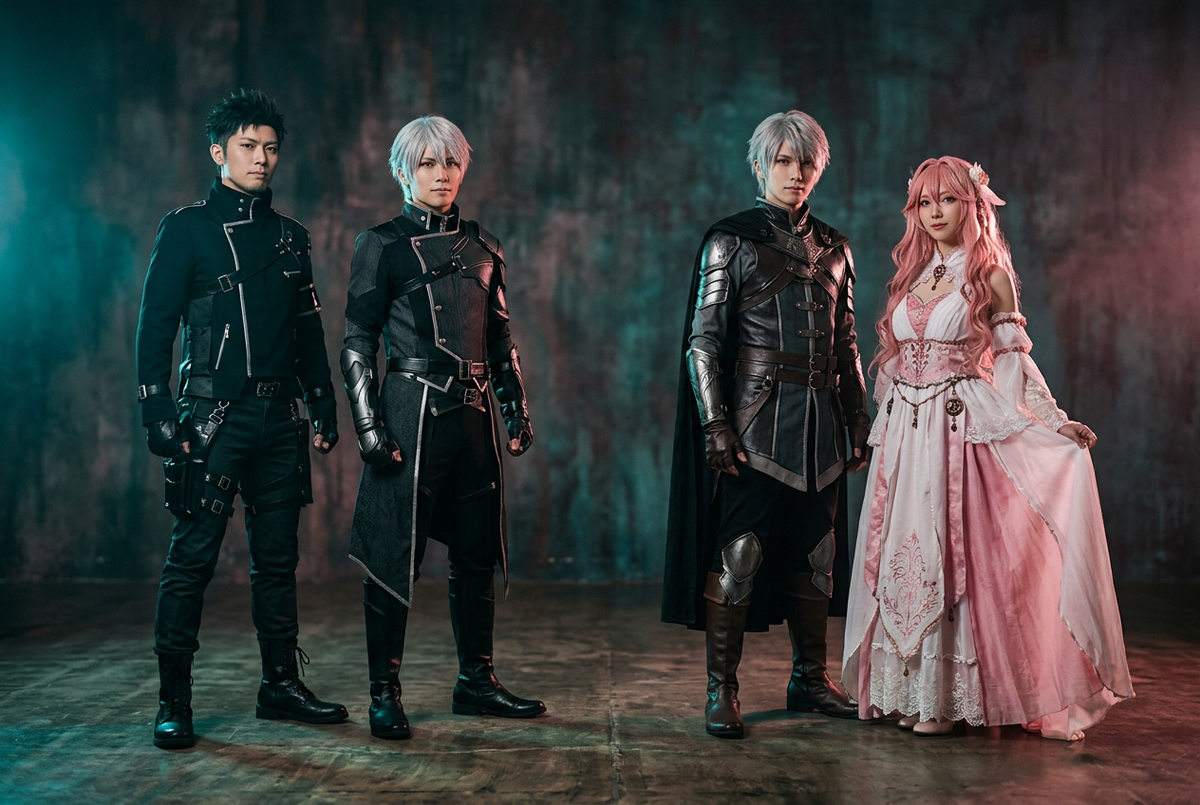
Emperor Paul Atreides Cosplay: Heavy Imperial Robes and Embroidered Details
<text> </text>
Paul's transformation from a young Atreides heir into an emperor is reflected in a much heavier and more imposing wardrobe.
In her Vogue interview, Jacqueline West explained that she looked to the reclusive figure of Howard Hughes when developing Paul's visual identity. She wanted the clothing to communicate isolation, guilt, and the psychological burden of imperial power.
The resulting design uses substantial fabrics, rich leather, and embroidery.
Important costume elements:
-
Heavy layered robes.
-
Structured outer garments with a commanding silhouette.
-
Rich fabric textures rather than thin, lightweight costume material.
-
Leather details and carefully finished edges.
-
Embroidered decorative elements.
-
A restrained color palette based on the official reference images.
How to approach the build
Start with the overall silhouette. Paul's clothing should appear substantial and authoritative rather than resembling a simple desert tunic.
A practical cosplay version can use a heavy outer robe over a structured inner garment. Textured fabric, layered panels, and carefully placed decorative stitching can help reproduce the visual weight without requiring professional film-costume fabrication.
For embroidery, prioritize a few visible areas instead of attempting to cover the entire garment with elaborate decoration. A well-executed collar, shoulder panel, or front section can communicate the same design language more effectively than poorly finished details everywhere.
What about the black cape look?
The keyword how to build emperor paul black cape look may reflect how shoppers describe a particular image or costume impression. However, the published costume-design interview specifically confirms heavy robes, rich leather, and embroidery. It does not establish that a black cape is a defining or universal component of Paul's official costume.
For a reference-accurate build, use the official stills and character imagery to determine the garment's actual color, length, and construction before purchasing fabric.
Chani Dune 3 Costume: Traditional Fremen Stillsuit and Practical Details
Chani's visual development takes a different direction.
Rather than moving toward imperial luxury, she remains connected to her Fremen identity. Jacqueline West described her as the moral compass of the story and explained that she retains the traditional stillsuit.
This continuity is important for anyone planning a chani dune 3 costume.
Important costume elements:
-
A recognizable Fremen stillsuit silhouette.
-
Close-fitting desert-survival clothing.
-
Functional-looking seams and surface panels.
-
Layered construction around the body.
-
Practical accessories that reinforce the Arrakis environment.
-
A restrained, weathered visual finish.
How to approach the build
The stillsuit should be treated as a complete garment rather than a collection of unrelated accessories.
Begin with a fitted base layer and identify the major visual sections from official reference images. Then add surface panels, seam details, and tubing-inspired decorative elements where appropriate.
For a convention-friendly version, lightweight stretch fabric can provide a more comfortable foundation than thick, rigid materials.
It is also important to distinguish a screen costume from a functional survival garment. The film's stillsuit is designed around the fictional technology of collecting and recycling moisture in the Arrakis environment. A cosplay version does not need to reproduce that fictional system.
A major design update in Part Three
West also revealed that the production redesigned its stillsuits to create a sleeker, more body-conscious appearance.
The film versions combine specially developed coated Lycra with molded hard components. The materials were engineered to create a continuous-looking surface while preserving flexibility.
This is a particularly useful reference for cosplayers. Instead of attaching many separate tubes and bulky external components, consider a cleaner silhouette with integrated-looking panels.
A simplified build can reproduce the visual impression without requiring specialized molded materials.
Alia Atreides Cosplay Outfit: White Monastic Silhouettes and Dramatic Styling
Alia offers one of the most visually distinctive directions for a new cosplay.
Her costume design draws heavily on religious imagery and elongated silhouettes. Jacqueline West explained that she used references from Giotto's paintings, Sufi-inspired shapes, and an image of a woman wearing a white chador with oversized dark sunglasses.
The result is a predominantly white appearance that feels both monastic and unsettling.
The costume also reflects Alia's development into a powerful and sinister figure.
Important costume elements:
-
Predominantly white garments.
-
Long, elongated silhouettes.
-
Layered or flowing fabric.
-
Monastic and religious visual references.
-
Dramatic head coverings or framing accessories where supported by the reference.
-
Makeup that can emphasize the character's unsettling appearance.
How to approach the build
For an alia atreides cosplay outfit, silhouette should come before small decorative details.
A long white outer layer over a simple base garment can create the necessary visual foundation. Choose fabric with enough weight to hang naturally, but not so much that it becomes difficult to move in.
The headwear and framing of the face are also important. If recreating the look inspired by the white chador and dark sunglasses reference, treat those elements as a coordinated styling choice rather than unrelated accessories.
The Vogue interview also discusses a blood-covered Alia concept influenced by the 1976 horror film Carrie. This provides another possible direction for a more dramatic interpretation.
However, blood effects are not necessary for every Alia cosplay. A cleaner white monastic version may be more practical for conventions and photography.
Scytale Dune Cosplay: Formal Religious References and an Unsettling Appearance
Scytale, portrayed by Robert Pattinson, introduces a very different costume challenge.
The official film material identifies him as a Face Dancer associated with the Bene Tleilax, a faction known for secretive practices and manipulation.
His identity as a shapeshifter is central to understanding the character. This makes Scytale particularly interesting for cosplayers who want to explore a character whose appearance is connected to concealment, transformation, and uncertainty.
Jacqueline West explained that her initial visual reference for Scytale came from the early papacy, particularly the period when the papal court moved from Rome to Avignon.
She wanted his appearance to feel unsettling and menacing.
Important costume elements:
-
Formal, structured garments.
-
Historical ecclesiastical influences.
-
A controlled and somewhat austere silhouette.
-
Distinctive outer layers.
-
A look that feels different from the more traditional Fremen clothing.
-
Careful attention to the official stillsuit and robe references.
How to approach the build
For a robert pattinson scytale costume breakdown, begin with the official character images rather than assuming the character has one fixed outfit.
The costume designer discussed Scytale's stillsuit and Fremen robes as part of the character's wardrobe. This means a single generic futuristic robe may not capture the full design.
A useful cosplay plan is to choose one specific reference image and reproduce that version consistently.
Formal outerwear, structured layers, and carefully selected fabric textures can help communicate the historical religious influence. Avoid adding random futuristic accessories that are not present in the chosen reference.
The shapeshifting aspect can also become a creative opportunity for photography, alternate styling, or multiple interpretations of the character.
Comparing the Four Character Looks
| Character | Main visual direction | Most important cosplay priority |
|---|---|---|
| Emperor Paul | Heavy imperial and Renaissance-influenced robes | Silhouette, fabric weight, embroidery |
| Chani | Traditional Fremen desert clothing | Stillsuit structure and fitted construction |
| Alia | White monastic and religious imagery | Long silhouette, headwear, styling |
| Scytale | Historical ecclesiastical influence | Formal structure and unsettling presentation |
3. What Should Cosplayers Prepare Before the Dune Part Three Premiere?
With the film scheduled for December 2026, planning ahead is especially important for anyone hoping to wear a costume to a premiere, convention, or themed photoshoot.
The most useful approach is to separate costume research, materials, construction, and final styling.
Use Official Images as Your Primary References
Warner Bros.' official movie website provides character information, promotional artwork, and trailer materials.
The November 2026 Vogue feature adds another valuable source: the costume designer's explanation of the visual decisions behind the film.
Together, these references help answer different questions:
-
Official character images show what the finished costumes look like.
-
The trailer provides movement, silhouette, and scene context.
-
The costume designer's interview explains why specific materials and shapes were selected.
-
Academic cosplay research helps explain the importance of interpretation and performance.
Avoid relying on isolated fan edits or unverified screenshots when making important purchasing decisions.
Plan Materials Around the Character
Different characters require different construction priorities.
| Character | Suggested cosplay materials | Main construction challenge |
|---|---|---|
| Paul | Heavy woven fabric, leather-like accents, embroidery materials | Maintaining a substantial robe silhouette |
| Chani | Stretch fabric, lightweight panels, flexible surface details | Creating a fitted stillsuit appearance |
| Alia | Flowing white fabric, structured headwear materials | Preserving the long monastic silhouette |
| Scytale | Structured outerwear fabric, layered panels, formal accessories | Reproducing the historical-inspired appearance |
These are practical cosplay material suggestions, not confirmed specifications for every screen costume.
Decide Whether to Make, Modify, or Purchase
Not every cosplayer needs to construct an entire outfit from scratch.
There are three practical approaches:
1. Full DIY construction
Best suited to cosplayers who enjoy pattern drafting, sewing, surface finishing, and detailed prop work.
2. Modify existing costume components
A practical option when a suitable base garment is available but requires character-specific alterations.
3. Purchase ready-made components
Useful when time is limited or when the project requires specialist pieces that would be difficult to make independently.
For a complex stillsuit, for example, a fitted base garment can reduce construction time. For Paul's imperial robes, purchasing a suitable outer garment and improving its surface details may be more efficient than building every layer independently.
Do Not Forget Wigs, Makeup, and Presentation
A character's appearance is not determined by clothing alone.
Hair styling, makeup, accessories, and posture can influence whether a costume is immediately recognizable.
For Paul, the overall imperial presentation should remain consistent with the selected reference. For Alia, facial framing and makeup can contribute significantly to the dramatic visual direction. For Scytale, a controlled and unsettling presentation can reinforce the character's identity.
If you are recreating a specific promotional image, use that image as the final styling reference instead of combining details from unrelated scenes.
4. Common Mistakes to Avoid When Creating Dune Part Three Cosplay
Mistake 1: Reusing the Previous Films' Costumes Without Checking the New Designs
The third film takes place nearly two decades after Paul's rise to power. The characters have changed, and the costume design reflects those changes.
A previous-film stillsuit or imperial outfit may be recognizable as part of the Dune universe, but it may not accurately represent the new film.
Use Part Three references whenever the goal is character-specific accuracy.
Mistake 2: Treating Every Costume Detail as Officially Confirmed
Not every fan interpretation or promotional image provides enough information to reproduce a garment precisely.
For example, the confirmed information about Paul's wardrobe emphasizes heavy robes, rich leather, and embroidery. It does not establish that every version of his look requires a specific black cape.
Likewise, the stillsuit's fictional moisture-recycling technology should not be confused with a real cosplay construction requirement.
Always distinguish between confirmed costume information and your own creative interpretation.
Mistake 3: Prioritizing Surface Details Over Silhouette
A costume can contain many small decorative elements and still look incorrect if the overall proportions are wrong.
For Paul's robes, the substantial outer silhouette is central. For Chani, the fitted stillsuit structure is more important than adding excessive decorative tubing. For Alia, the elongated white form is a defining feature.
Build the silhouette first, then refine the smaller details.
Mistake 4: Ignoring Comfort and Mobility
Screen costumes are developed for actors, production teams, and specific filming conditions. Convention costumes must also account for walking, sitting, photography, and extended wear.
Rigid armor-like components, heavy robes, and tight base layers can become uncomfortable during long events.
Use breathable materials where possible, secure heavy accessories properly, and test movement before wearing the finished costume in public.
Mistake 5: Mixing Different Character References
Combining Paul's imperial robes, Chani's stillsuit, and Alia's monastic styling into one costume may produce an interesting original design, but it will not necessarily be a reference-accurate version of any one character.
Choose the character and reference version first. If you want to create an original Dune-inspired interpretation, label it as such rather than presenting it as an exact film replica.
Conclusion: Start Your Dune Part Three Cosplay Before the Premiere
Dune: Part Three offers a rich range of cosplay possibilities because its main characters express very different relationships with power, identity, and the world of Arrakis.
Paul's heavy imperial robes communicate the burden of leadership. Chani's traditional stillsuit maintains her connection to Fremen heritage. Alia's white monastic styling creates an unsettling visual identity, while Scytale's historical ecclesiastical influences reinforce his mysterious and manipulative presence.
The costume designer's November 2026 interview provides an unusually useful foundation for understanding these designs before the film's theatrical release. Combined with official promotional images and academic research into cosplay as creative performance, it gives fans a more informed starting point for costume planning.
Whether you choose a full handmade build, a modified ready-made outfit, or a simplified convention version, the most important step is to understand the character's visual language before beginning construction.
With international screenings beginning December 16 and the North American premiere scheduled for December 18, 2026, now is a good time to organize references, select materials, and develop a costume that reflects the darker visual world of Dune: Part Three.


コメントを書く
このサイトはhCaptchaによって保護されており、hCaptchaプライバシーポリシーおよび利用規約が適用されます。