Introduction
TikTok's #CurvyCosplayIdeas tag has grown to more than 3.1 million posts — and what makes that number so significant isn't just its scale, but the astounding diversity of franchises inside it.
Demon Slayer's Mitsuri Kanroji, My Hero Academia's Uraraka and Froppy, Marvel's Squirrel Girl, Genshin Impact's Kokomi in a fitted bodysuit, Hatsune Miku, and superhero comic icons all appear under this tag. This movement spans anime, superhero comics, gacha games, and Vocaloid culture without any single franchise dominating the conversation.
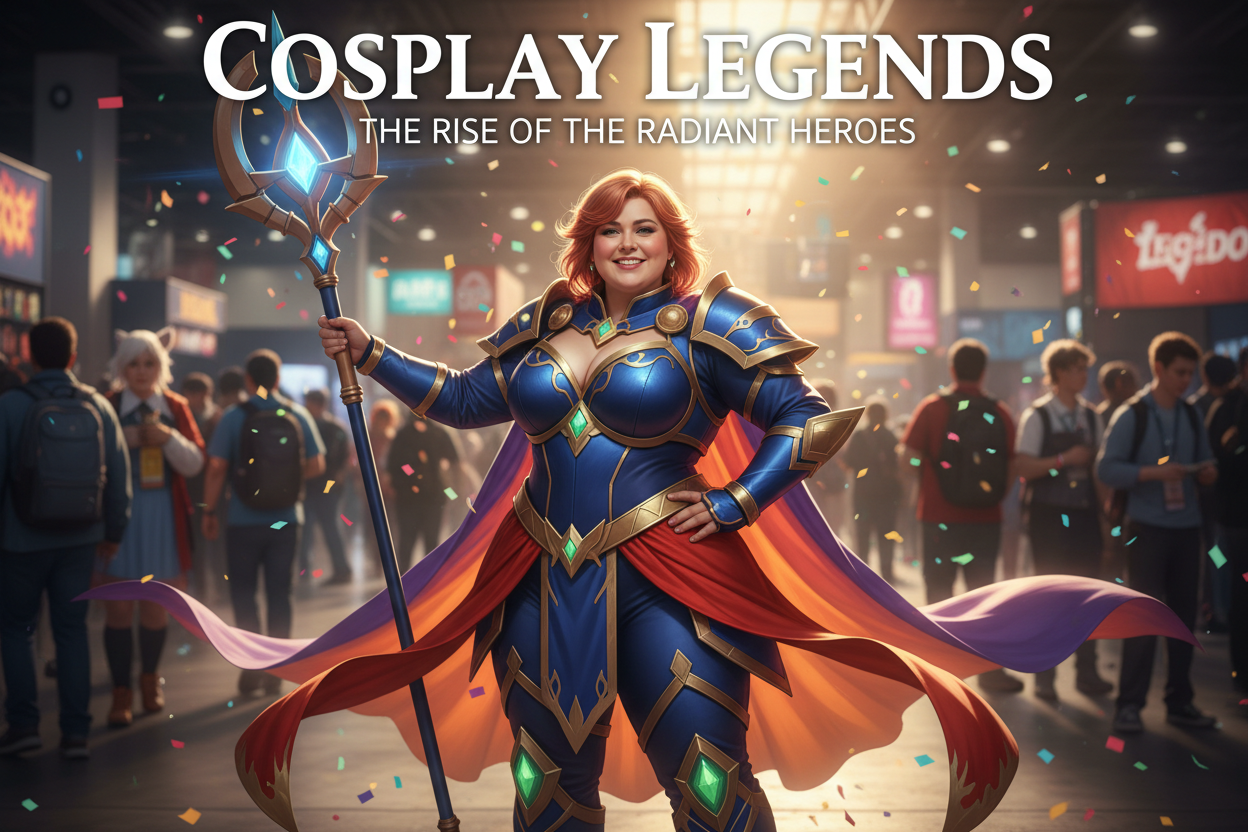
Curvy cosplay has evolved into a genuine, cross-franchise representation movement. In this guide, we'll break down what's driving this empowerement wave, the practical construction challenges behind plus-size builds, and how to choose a size-inclusive, custom-fitted cosplay costume set that guarantees both comfort and confidence.
A Cross-Franchise Movement, Not a Single Character Trend
The clearest evidence that this is a structural shift is how varied the source material is:
-
Canon-Supported Builds: Mitsuri Kanroji's design already features a fuller figure in Demon Slayer's canon art, making her a natural anchor for plus-size representation.
-
Reclamatory Character Choices: Uraraka, Froppy, and Kokomi are typically illustrated with slender anime proportions. Reinterpreting them through a curvy lens pushes directly against outdated assumptions that only certain body types can cosplay specific characters.
-
Technical Bodysuit Challenges: Kokomi's fitted bodysuit represents one of the most technically demanding builds in the movement, as seamless garments leave zero room to hide construction or sizing errors.
This isn't about one character's design happening to suit a broader range of bodies — it's cosplayers deliberately choosing across their favorite fandoms and demanding quality costumes that fit their real proportions.
What Makes This More Than Just a Costume Choice
The tone running through this movement consistently frames these builds as something bigger than picking an outfit. As one creator described after three years of sewing: she wanted to see more plus-size "baddies" in cosplay, so she built that visibility herself rather than waiting for it to exist.
Cosplay historically skewed toward showcasing whichever body type matched a character's illustrated proportions. A movement built around proving that any character, regardless of original design assumptions, can be worn with total confidence pushes back against those narrow defaults with overwhelming community support.
The Practical Side: What Plus-Size Cosplayers Are Actually Solving For
Underneath the representation conversation sits a practical set of construction challenges that off-the-rack manufacturers often ignore:
-
Fabric Stretch and Recovery: Fitted garments require high-density four-way stretch fabrics that maintain opacity and shape without sagging or turning shear after hours of wear.
-
Structural Support: Corset-style elements and fitted bodices require strategically placed boning and reinforced panels to distribute pressure evenly without restricting breathing.
-
Proportional Pattern Drafting vs. Uniform Scaling: Scaling a standard Small pattern up uniformly distorts armholes, necklines, and waist placements. True size-inclusive tailoring requires drafting patterns specifically for curvy proportions.
Construction Considerations for Plus-Size Cosplay Builds
| Build Type | Key Construction Challenge | Practical Solution |
| Fitted Bodysuits (e.g., Kokomi, D.Va) | Minimal fabric to hide fit errors; seams and stretch limits are highly visible. | High-density 4-way stretch fabrics tested for 100% opacity and shape recovery. |
| Structured/Corseted Builds (e.g., Mitsuri, Fate) | Requires real structural support without pinching or restricting movement. | Built-in flexible boning and custom panel support drafted to actual waist-to-bust ratios. |
| Flowing/Layered Robes (e.g., Genshin, Bleach) | Forgiving fit, but proportions can easily look bulky if scaled incorrectly. | Custom-adjusted hem lengths and sleeve proportions rather than uniform enlargement. |
| Superhero Form-Fitting Suits | Complex color-blocking seams can warp under tension. | Custom panel placement that follows natural curves rather than a flat template. |
Building Your Own Plus-Size Cosplay Costume
-
Prioritize genuine four-way stretch fabric. Materials that stretch vertically and horizontally hold their shape through a 12-hour convention day far better than cheap 2-way stretch polyesters.
-
Demand proportional pattern drafting. Never settle for cheap outfits that simply enlarge a Small template. That's why we rely on real, self-taken showroom photographs across all listings — letting you verify seam placement, lining quality, and structural fit before buying.
-
Ensure built-in structural support where needed. Bust panels, waistbands, and shoulder straps should be reinforced around your actual measurements rather than copied directly from a flat reference drawing.
-
Pick the character you genuinely love. Whether choosing a canon figure like Mitsuri or reinterpreting a character like Kokomi or Uraraka, confidence comes from wearing a build that feels tailor-made for you.
Frequently Asked Questions
Is curvy cosplay limited to certain characters or franchises?
Not at all! The movement spans anime, gaming, comics, and Vocaloid. Cosplayers freely choose characters regardless of whether their canon art features a fuller figure.
What is the hardest type of costume to build for a plus-size cosplay?
Fitted, seamless garments like bodysuits are the most technically demanding, as they require high-grade 4-way stretch fabrics and exact proportional seam placement to prevent strain or sheer spots.
Why is uniform pattern scaling bad for plus-size cosplay?
Simply enlarging a Small pattern scales all dimensions equally, leading to oversized necklines, misplaced waistlines, and ill-fitting armholes. True size-inclusive builds require custom proportional drafting.
Conclusion
Building a plus-size cosplay costume means participating in a movement that has transformed convention floors and social media representation worldwide. With custom proportional drafting, four-way stretch fabrics, and proper structural support, any character can be translated into a breathtaking, comfortable build. Ready to step into your next event with total confidence? Explore our size-inclusive custom-fit cosplay collection today.

コメントを書く
このサイトはhCaptchaによって保護されており、hCaptchaプライバシーポリシーおよび利用規約が適用されます。