💡 Executive Abstract:
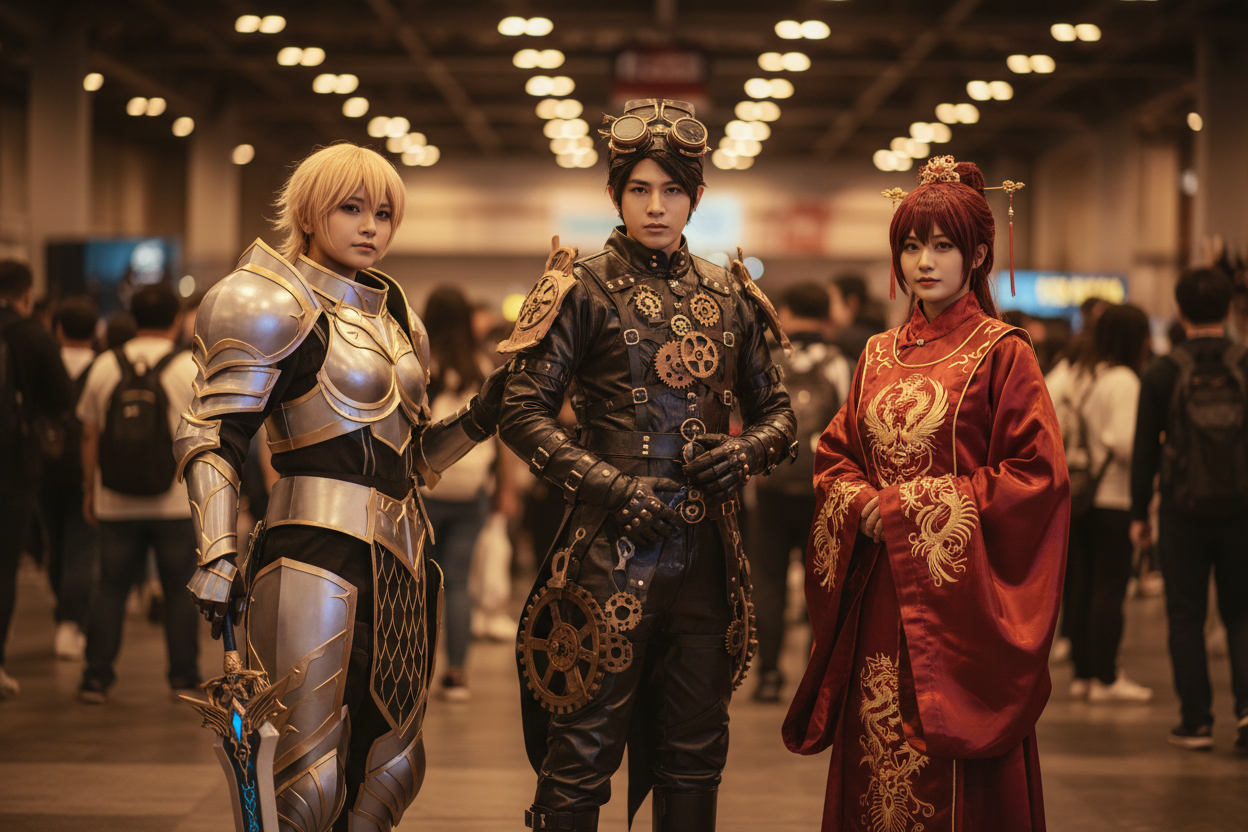
The modern ACGN (Anime, Comic, Game, Novel) landscape is no longer defined by rigid, isolated entertainment channels. Instead, the global creative community is actively discussing a major behavioral trend: Fandom Migration. Driven by the industry's shift toward Media Convergence and Transmedia Storytelling, audiences no longer consume stories in a linear fashion. Fans frequently migrate from games to anime, novels to manga, and back again. This continuous fluid movement has completely reshaped the global cosplay community. For high-end creators, choosing which character to bring to life is no longer just about enjoying a single medium; it is a direct response to how characters evolve across different platforms. This analysis explores the cultural mechanics of these multi-medium migrations, looking closely at how they change costume design, material requirements, and production standards for the modern creator.
🔄 1. The Mechanics of Transmedia Migration: How Communities Move
To analyze why creators migrate between different media, we have to look at how modern IPs are built. Today's major franchises are designed to be experienced across multiple formats, using each platform's unique strengths to deepen fan connection.
+----------------------------------------------------------------------------------------+
|                          THE MEDIA CONVERGENCE FLOW CHART                              |
+----------------------------------------------------------------------------------------+
|  [Light Novel / Manga] --------> [High-Definition Anime] --------> [Global Cosplay]   |
|         |                                 ^                              ^             |
|         v                                 |                              |             |
|  [3D Interactive Game] -------------------+------------------------------+             |
+----------------------------------------------------------------------------------------+
This migration pattern is driven by three distinct structural forces:
-
The Cinematic Upgrade (Game ➔ Anime): Action role-playing games offer deep, interactive worlds, but their fast-paced gameplay can sometimes limit quiet, character-focused storytelling. When a studio adapts these games into high-end animation, it adds rich cinematic framing, detailed facial expressions, and close-up views of costume details that were previously hard to see in a 3D game engine.
-
The Visual Breakthrough (Novel ➔ Anime): Light novels rely on descriptive text and a few static illustrations, leaving the finer details of clothing to the reader's imagination. A high-production anime adaptation takes these text descriptions and translates them into physical reality, establishing a definitive visual style for draping fabric, intricate embroidery, and accessories.
-
The Cross-Media Loop (Anime ➔ Game ➔ Social Media): When a character succeeds in one format, they are often introduced into other games or media through special collaborative events. This creates a continuous loop of interest that exposes the design to entirely new audiences who may have never played the original game or watched the initial series.
📁 2. Structural Case Studies: When Designs Cross Media Boundaries
This cross-platform migration directly affects how outfits are designed and manufactured. By analyzing three major properties, we can see how different media adaptations change the way costumes are constructed.
🤖 NieR: Automata — From Hardcore Action RPG to High-Fidelity Anime Art
-
The Migration Path: Action RPG (Game) $\rightarrow$ Global Gaming Sensation $\rightarrow$ Hit Anime Series (NieR: Automata Ver1.1a).
-
The Design Transformation: In the original game, 2B’s design had to function within a fast-paced 3D action environment, where the focus was primarily on her fluid movement and combat animations. However, the anime adaptation shifted the focus to high-definition, dramatic close-ups. This change highlighted the intricate texture of her dark velvet dress, the delicate openwork embroidery on her chest panel, and the soft, feathered trim along her sleeves.
-
The Advanced Production Response: To meet the expectations of fans coming from the anime, a premium 2B cosplay costume must move away from cheap, shiny synthetic fabrics. Instead, manufacturers utilize heavy-weight, matte-finish velvet that naturally absorbs light on camera. The chest cutout requires precision embroidery rather than flat printing, and the skirt panels must be lined with structured, non-fraying fabric to preserve her iconic, elegant silhouette during movement.
2B Costume Engineering:
[High-Density Matte Velvet] ---> [Precision Embroidered Chest Panel] ---> [Structured Skirt Lining]
🧪 The Apothecary Diaries — Translating Light Novels into Historic Court Aesthetics
-
The Migration Path: Light Novel / Manga $\rightarrow$ Phenomenal Anime Adaptation.
-
The Design Transformation: Maomao’s outfits began as simple black-and-white manga ink lines and brief textual descriptions of traditional court garments. The anime adaptation brought her world to life with a rich, vibrant color palette, translating these descriptions into flowing historical Chinese-inspired garments (Hanfu and Ruqun structures) with delicate floral patterns and traditional layered construction.
-
The Advanced Production Response: An authentic Maomao cosplay costume cannot simply rely on simple, single-layer polyester prints. To truly capture the character's historical look, the outfit must be built with proper traditional layering—featuring an independent inner wrap, a distinct outer shirt with a clean crossed collar (Jiaoling Right-Opening), and a high-waisted pleated skirt. Sourcing textured cotton-linen blends and heavy satin fabrics ensures the garment drapes naturally and moves with the classic grace shown in the animated series.
Maomao Costume Layering:
[Textured Cotton-Linen Inner Wrap] ---> [Crossed-Collar Outer Shirt] ---> [Draping Pleated Ruqun Skirt]
🌀 Genshin Impact — Bridging Game Assets and Animated Visuals
-
The Migration Path: Open-World RPG $\rightarrow$ Cinematic Character PVs & Anime-Style Short Films.
-
The Design Transformation: Characters like the Raiden Shogun are first introduced as playable 3D game models, which are naturally limited by the performance constraints of real-time rendering engines. When these characters star in cinematic animated PVs, their designs are given a dramatic boost in detail—showing the realistic flow of heavy silk jacquard, the subtle gleam of metallic gold leafing, and the hand-woven texture of traditional Japanese braided cords (Kumihimo).
-
The Advanced Production Response: When gamers and anime viewers alike look for a Raiden Shogun cosplay costume, they expect this level of cinematic detail. High-end production requires custom-woven jacquard fabrics with subtle, light-reflective floral patterns embedded directly into the weave. The heavy waist sash (Obi) must be reinforced with internal canvas stiffeners to maintain its shape, and all armor accents should be cast in lightweight, metallic-painted resin to replicate the polished look of actual lacquered plates.
Raiden Shogun Material Architecture:
[Custom Silk Jacquard Base] ---> [Reinforced Canvas Obi Sash] ---> [Metallic-Finished Resin Armor]
⚖️ 3. The Technical Shift: From Flat 2D Lines to 3D Physical Textures
As characters move across different media formats, the physical expectations for their outfits change dramatically. The table below outlines how these multi-platform adaptations shift the focus toward premium materials and precise tailoring:
| Material Vector | Traditional 2D Anime Standard | Advanced Transmedia Standard (2026) |
| Main Fabric Selection | Basic solid-colored polyester or uniform satin with flat surfaces. | Heavy jacquards, textured cotton-linen blends, matte velvet, and custom-woven brocades. |
| Pattern and Details | Sublimation printing that lays flat on the surface of the fabric. | Multi-layered machine embroidery, hand-guided stitching, and raised textured appliqués. |
| Garment Construction | Single-layer, simplified designs with hidden elastic bands for a generic fit. | Genuine historical tailoring, fully lined interiors, and structured panels for a tailored fit. |
| Decorative Accents | Soft craft foam or thin, metallic-coated cardboard details. | 3D-molded polyurethane, lightweight cast resins, and polished metal alloy hardware. |
| Durability & Wearability | Intended for brief, single-use photo shoots in controlled environments. | Engineered for long-term wear, with reinforced seams, functional pockets, and easy-to-clean layers. |
🛠️ 4. Supply Chain Adaptations: Engineering Costumes for Multi-Platform Audiences
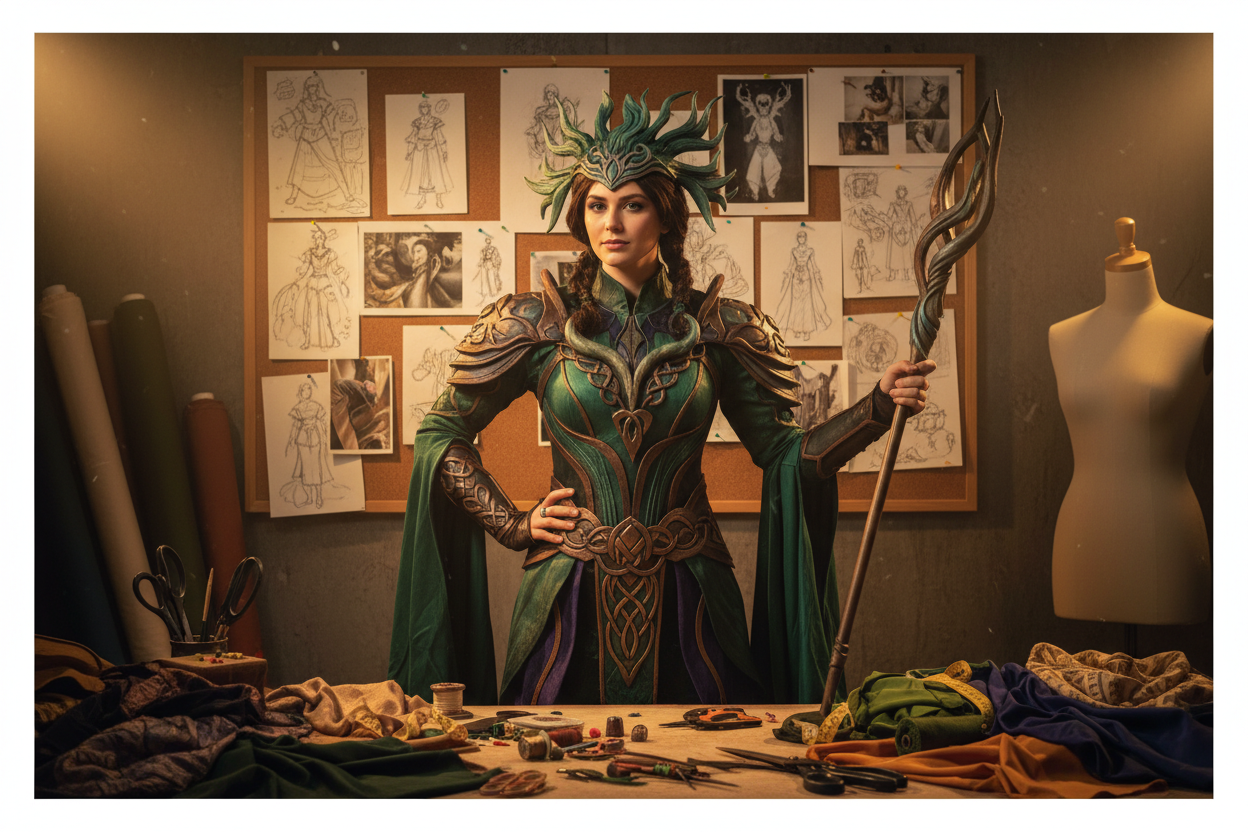
To successfully serve a community of migrating fans, high-end costume design must adapt to meet the unique challenges of different genres. Our production processes focus on solving structural wear points while maintaining complete visual accuracy:
-
Engineering for Mechanical Movement (e.g., NieR Series):
Designs featuring mechanical elements or structured clothing require flexible, durable materials. For outfits like the 2B cosplay costume, we use high-durability synthetic suede for glove panels and integrate hidden spandex panels under the armpits. This allows creators to strike dynamic action poses without putting stress on the main velvet body of the dress.
-
Draping for Historical Accuracy (e.g., Ancient Court Series):
Historical designs rely heavily on how the fabric flows. For garments like the Maomao cosplay costume, we replace stiff, cheap synthetic lining with soft, breathable viscose fabrics. This ensures the wide, flowing sleeves and long skirts drape beautifully and react naturally to the wearer's movement, mirroring the classic animation style.
-
Managing Weight for Complex Designs (e.g., Fantasy RPG Series):
Fantasy characters often wear heavy, elaborate ornaments. For outfits like the Raiden Shogun cosplay costume, we use lightweight, high-density EVA foam covered in a thin layer of metallic polyurethane instead of heavy solid metal for the shoulder armor. This significantly reduces the overall weight of the costume, making it comfortable to wear for long days at conventions.
❓ 5. Frequently Asked Questions (FAQ)
-
Q: Why do costumes based on anime adaptations often look better than those based purely on game models?
-
A: 3D game models are built to perform smoothly within real-time rendering engines, which often means details like fabric texture, folding patterns, and small accessories are simplified or painted directly onto flat surfaces. Anime adaptations, however, are hand-drawn frame-by-frame or rendered in high-definition cinematics. This allows artists to show realistic folds, natural fabric drape, and intricate embroidery, giving creators a much clearer, high-fidelity reference for their builds.
-
-
Q: How can I tell if a costume uses proper historical layering or just a simplified print?
-
A: Look closely at the garment's construction, particularly at the collar, cuffs, and waistline. A simplified costume will often sew mock collars or printed patterns directly onto a single piece of fabric to save on production costs. A high-quality, historically-inspired outfit will feature separate, individual layers—such as a true inner robe and an independent outer wrap—allowing the fabric to layer and fold naturally around the body.
-
-
Q: What is the best way to clean and care for complex, multi-material outfits?
-
A: Costumes that combine delicate fabrics with structured armor or resin pieces require gentle care. Always detach any removable armor plates, sashes, or metal pins before cleaning. Hand-wash fabric components in cold water using a mild detergent, and hang them to dry naturally. For structured areas like stiffened waist sashes or velvet coats, professional dry cleaning is highly recommended to preserve their shape and texture.
-
🎯 Conclusion: The True Heart of the Convention Floor
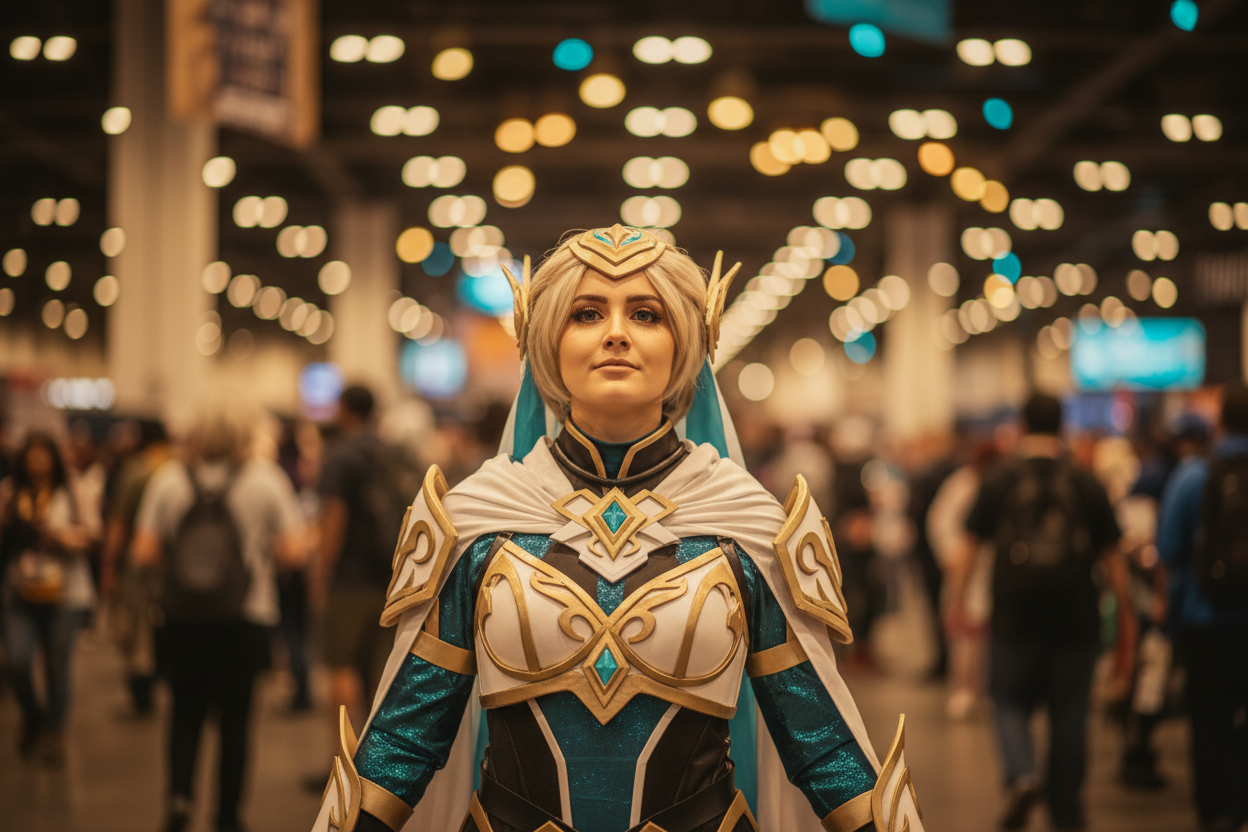
The widespread discussion around Fandom Migration highlights a beautiful truth about modern creative culture: passion is not bound by a single medium. Whether a creator's journey begins with the deep, interactive world of a video game, the beautiful animation of a television series, or the descriptive pages of a novel, the ultimate goal remains the same—to bring their favorite characters to life with love and respect.
By moving away from cheap, quick-fashion options and embracing high-quality materials and thoughtful tailoring, creators can confidently express their passion across any medium. Whether wearing a perfectly tailored 2B cosplay costume, a beautifully draped Maomao cosplay costume, or an intricately detailed Raiden Shogun cosplay costume, investing in quality ensures your hard work remains a timeless tribute to the characters you love, no matter where their story travels next.

コメントを書く
このサイトはhCaptchaによって保護されており、hCaptchaプライバシーポリシーおよび利用規約が適用されます。