Introduction: The Evolution of Advanced Wig Sculpting
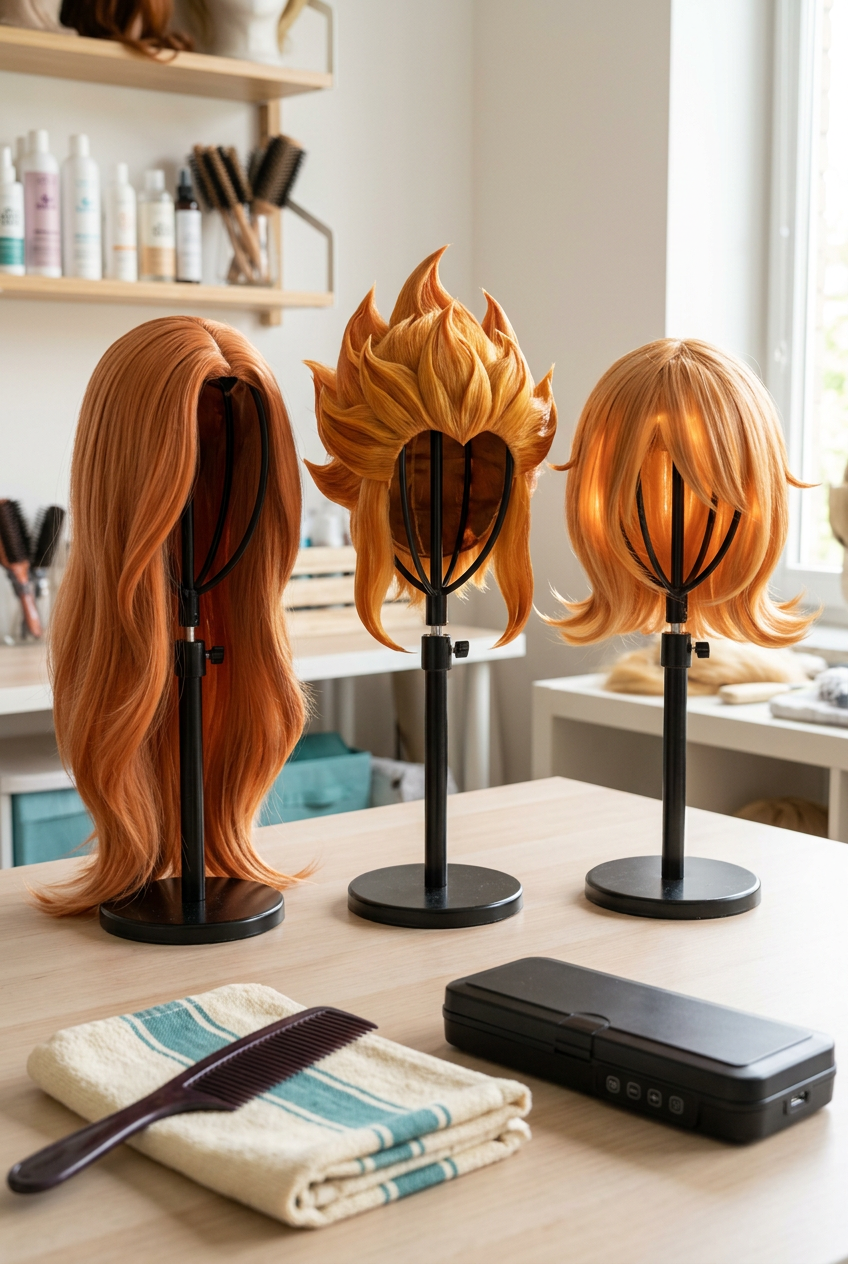
Synthetic wig styling has evolved far beyond basic brushing and light hairspray. Across social media platforms like TikTok, character transformations featuring long-fiber maintenance, spiked helmet-style wigs, and embedded LED illumination—such as Mavuika from Genshin Impact or dynamic anime hero hair—regularly command millions of views.
Mastering cosplay wig care and styling requires understanding synthetic heat limits, fiber tension, and structural support. Whether restoring a tangled 40-inch ponytail or embedding battery-powered micro-LED strands into structured foam cores, taking a systematic approach ensures your wig remains floor-ready for convention weekend.
Before starting your wig styling project, assemble these essential tools:
-
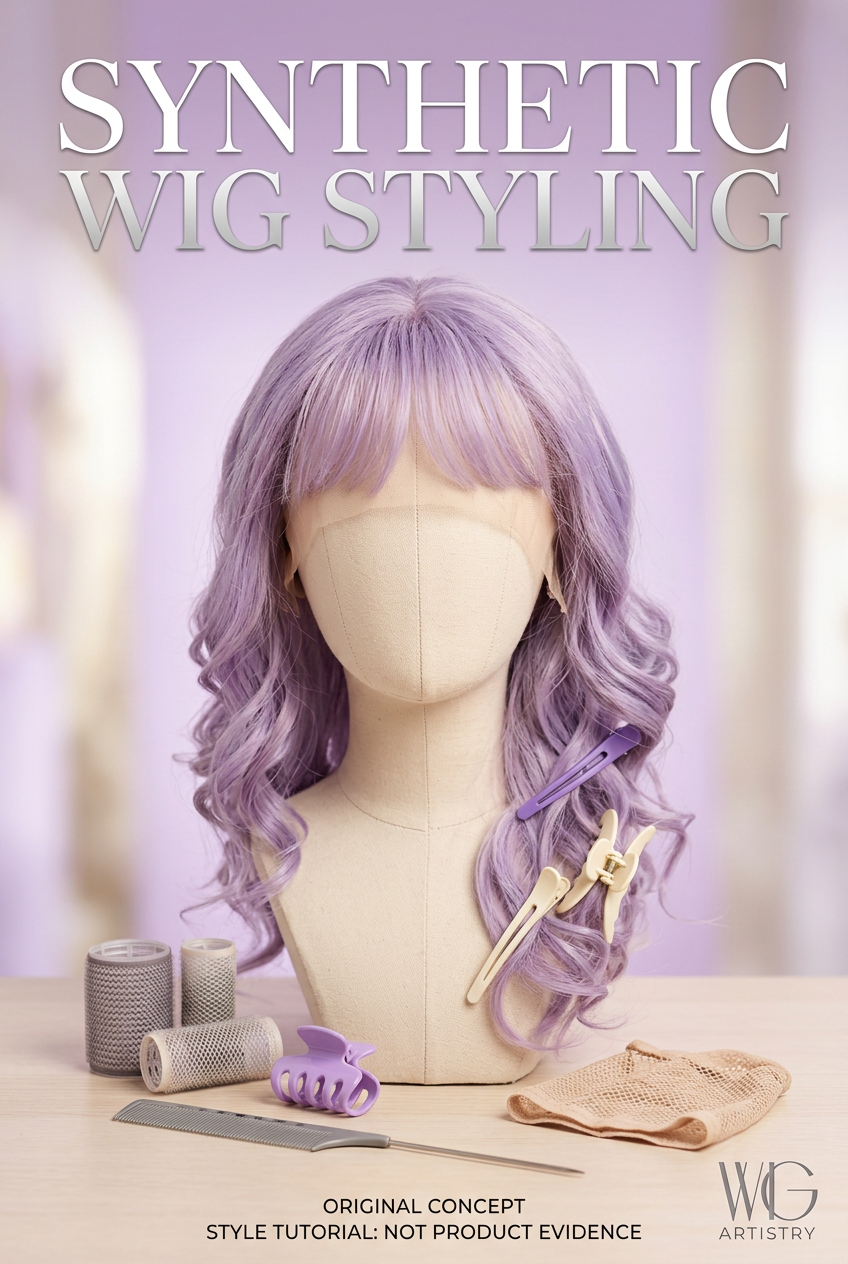
Detangling & Maintenance: Wide-tooth comb, pure silicone/detangling spray, and synthetic wig shampoo.
-
Sculpting & Volume: Crimping iron (low-heat setting), high-hold extra-firm hairspray, and hair dryer with a narrow nozzle.
-
Structural & Electrical: High-density foam base sphere/headform, micro-LED string lights with coin-cell battery packs, and clear hot glue.
-
Base Wigs: High-temp synthetic anime cosplay wigs for sale with dense internal wefting.
Step 1: Detangling, Washing & Storing Synthetic Fibers
Long synthetic fibers inevitably tangle from friction against cosplay armor or necklines during convention days. Restoring fibers without snapping hair locks requires gentle heat and lubrication.
-
Apply Silicone Spray Lubricant: Never force a comb through dry, knotted synthetic hair. Lightly mist tangled sections with pure silicone spray or specialized synthetic wig detangler.
-
Comb Bottom-to-Top in Sections: Secure the wig head to a table clamp. Working in small 2-inch sections, use a wide-tooth comb starting at the bottom tips, gradually working upward toward the wig cap.
-
Soak in Cold Water Bath: Fill a basin with cool water mixed with a tablespoon of synthetic wig shampoo or mild fabric softener. Submerge the wig gently without rubbing fibers together. Rinse thoroughly in cold running water and air-dry completely on a ventilated wig stand.
-
Smooth with Steamer or Straightener: To eliminate kinked ends, run a clothes steamer over combed fibers while brushing, or use a flat iron set below $250^\circ\text{F}$ ($120^\circ\text{C}$).
Step 2: Crimp-Volumizing & Sculpting Gravity-Defying Helmet Wigs
Sculpting sharp, rigid anime spikes or "helmet-style" character hair requires creating internal texture to hold shape without collapsing under weight.
-
Heat-Crimp the Fiber Roots: Lift upper hair sections and use a micro-crimping iron on the lower roots for 1–2 seconds. Crimping expands synthetic fibers, creating internal volume and a sturdy base for teasing.
-
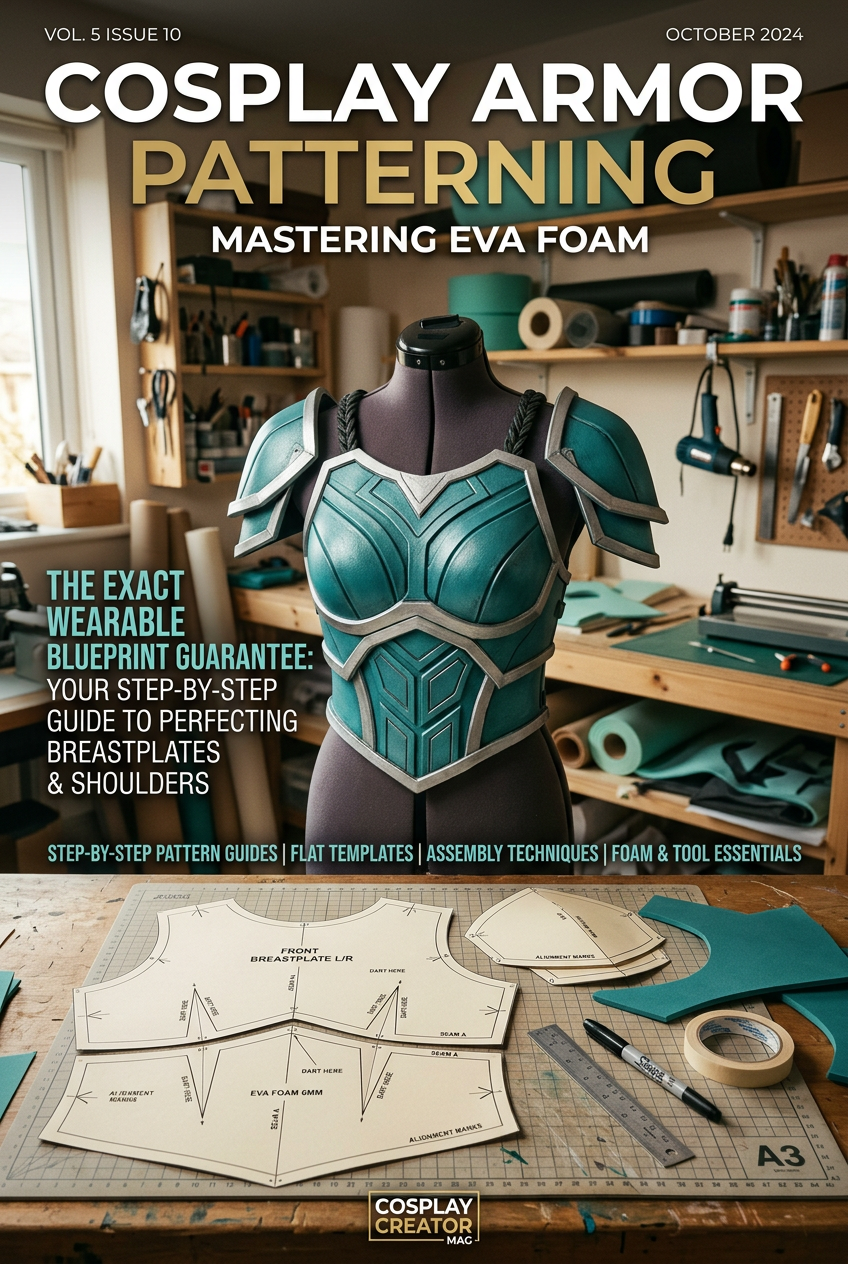
Build Internal EVA Foam Supports: For massive anime spikes or wide helmet shapes, carve lightweight 2mm EVA foam or felt cones. Glue the foam structures directly to the wig cap using contact cement.
-
Slick & Set Fibers Over the Core: Brush crimped synthetic hair over the foam core. Coat the surface lock-by-lock with extra-firm hairspray, drying immediately with a blow dryer set to cool air to lock the fibers into place.
Step 3: Wiring & Embedding Micro-LED Light Circuits
Adding custom lighting effects elevates gravity-defying hair structures, making them stand out under low-light convention floors.
-
Map the Circuit & Battery Pocket: Select lightweight, micro-wire LED string lights powered by compact 3V coin-cell battery packs. Sew a small felt pocket into the back underside of the wig cap to store the battery pack accessibly.
-
Thread LEDs Between Fiber Layers: Route LED copper wires underneath the top fiber layers, anchoring bulbs along the edges of internal foam spikes or bangs using small drops of clear hot glue.
-
Diffuse the Hotspots: Direct LED bulbs cast sharp, harsh light points. Lightly tease synthetic fibers directly over the bulbs or apply a thin layer of translucent hot glue over the LED tips to scatter light evenly through the hair.
Troubleshooting & Maintenance Pitfalls
-
Melted or Frizzy Synthetic Tips: Exceeding $300^\circ\text{F}$ ($150^\circ\text{C}$) on non-heat-resistant fibers causes instant melting. Always perform a heat test on a small, hidden nape lock before using straighteners or curling irons.
-
Spikes Drooping Mid-Convention: Moisture and humidity weaken standard hairsprays over time. Seal fully dried anime spikes with a light layer of diluted clear acrylic sealer or clear PVA glue along the inner hair tips for a water-resistant finish.
-
Visible Internal Wig Cap Gaps: Spreading thin hair over large foam cores can expose the underlying cap mesh. Sew extra wefts onto sparse areas or airbrush the underlying foam structure to match the hair color before styling.
Conclusion & Next Steps
Mastering synthetic hair care—from routine detangling to structural crimping and LED embedding—keeps your character transformations looking camera-ready. Proper care preserves your styling work across multiple convention appearances. Explore our catalog of heat-resistant anime cosplay wigs for sale to find dense, high-quality base fibers for your next project!

Laisser un commentaire
Ce site est protégé par hCaptcha, et la Politique de confidentialité et les Conditions de service de hCaptcha s’appliquent.