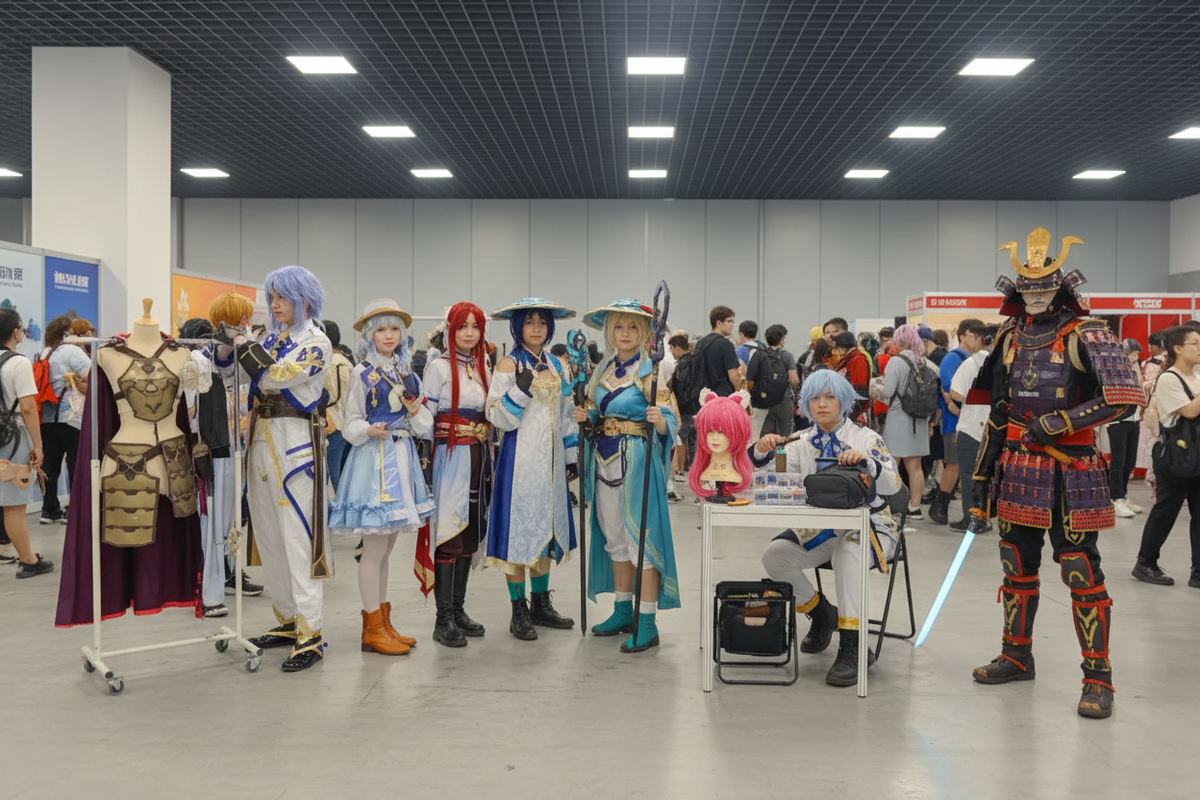
In modern subculture marketing, fan-made creations and cosplay have evolved far beyond simple fan hobbies. When independent creators publish humorous or screen-accurate cosplay fan content and directly tag the original actors or studios, it frequently triggers viral reverse-marketing phenomena—where official brand channels share fan posts, and lead actors interact directly with creators.
This grassroots fan cosplay culture breaks down traditional barriers between studios and fandoms, offering everyday cosplayers a clear pathway to gain global exposure. Below are the three core questions behind how fan cosplayers get noticed by official brands and celebrities.
Question 1: How Do Cosplayers Get Noticed by Celebrities and Official Brands?
Direct Answer
To master how cosplayers get noticed by celebrities, creators must blend high-recognition visual hooks, genuine humor or screen-accurate detail, and targeted social tagging. Producing relatable viral fan cosplay content makes it easy for studio marketing teams and actors to engage and repost organically.
Detailed Background & Strategy Analysis
In today's digital promotion landscape, entertainment studios actively seek authentic engagement within the cosplayer community. A prime example occurred during DC's Peacemaker press campaign, where fan cosplayers posted comedic short videos humorously calling out lead actor John Cena. The posts generated tens of thousands of likes and prompted John Cena himself to interact with and acknowledge the fan cosplays at convention meetups.
[ High-Impact Visuals ] ---> [ Targeted Tagging / Memes ] ---> [ Celebrity Engagement ] ---> [ Official Repost ]
When a cosplay creator gets noticed by actor or director accounts, the resulting celebrity cosplay interaction creates a ripple effect. News outlets and pop-culture blogs cover the moment, accelerating official cosplay recognition across major social platforms.
Question 2: How Can Cosplayers Capitalize on Official Recognition for Long-Term Growth?
Direct Answer
Learning how to get official cosplay recognition is only the first step. To convert a temporary viral surge into sustained growth, cosplayers must publish behind-the-scenes (WIP) content within 24 to 48 hours, establish a consistent posting schedule, and direct new traffic to a curated portfolio.
Detailed Explanation & Creator Operations
When an official brand or celebrity account reshapes your post, your profile receives thousands of new visitors within a brief window. Successful creators convert this momentum using three key strategies:
-
Publish Behind-the-Scenes (Work-In-Progress) Drops: Share video clips detailing how you built the armor, styled the wig, or applied special effects makeup. This transforms surface-level viral attention into respect for your technical craftsmanship.
-
Establish Clear Creator Branding: Ensure your social media bio clearly showcases your cosplay portfolio, business contact email, and upcoming convention appearances to attract official event invites or brand sponsorships.
-
Engage with Incoming Community Comments: Respond actively to new followers in the comment section. Sharing material sources and building genuine relationships turns casual viewers into loyal long-term followers.
Question 3: What Costume & Hardware Standards Are Required for Viral Cosplay Content?
Direct Answer
To catch the eye of official brand managers and celebrity representatives, hardware quality matters. Investing in professional cosplay costumes featuring tailored fits, realistic material textures, and durable construction ensures your content stands out under high-definition photography and video studio lighting.
Detailed Technical Standards
Official studio channels hold high standards for the content they choose to feature. Re-sharing poorly fitted or low-effort costumes can misrepresent their intellectual property. High-performing viral content typically meets three key criteria:
-
Textural Accuracy: High-grade leatherette, weathered foam armor, and tailored fabrics capture studio-lighting highlights effectively during camera sweeps.
-
Mobility & Fit: Custom-fitted professional cosplay costumes allow the creator to pose dynamically and perform energetic in-character acting without fabric sagging or seam tearing.
-
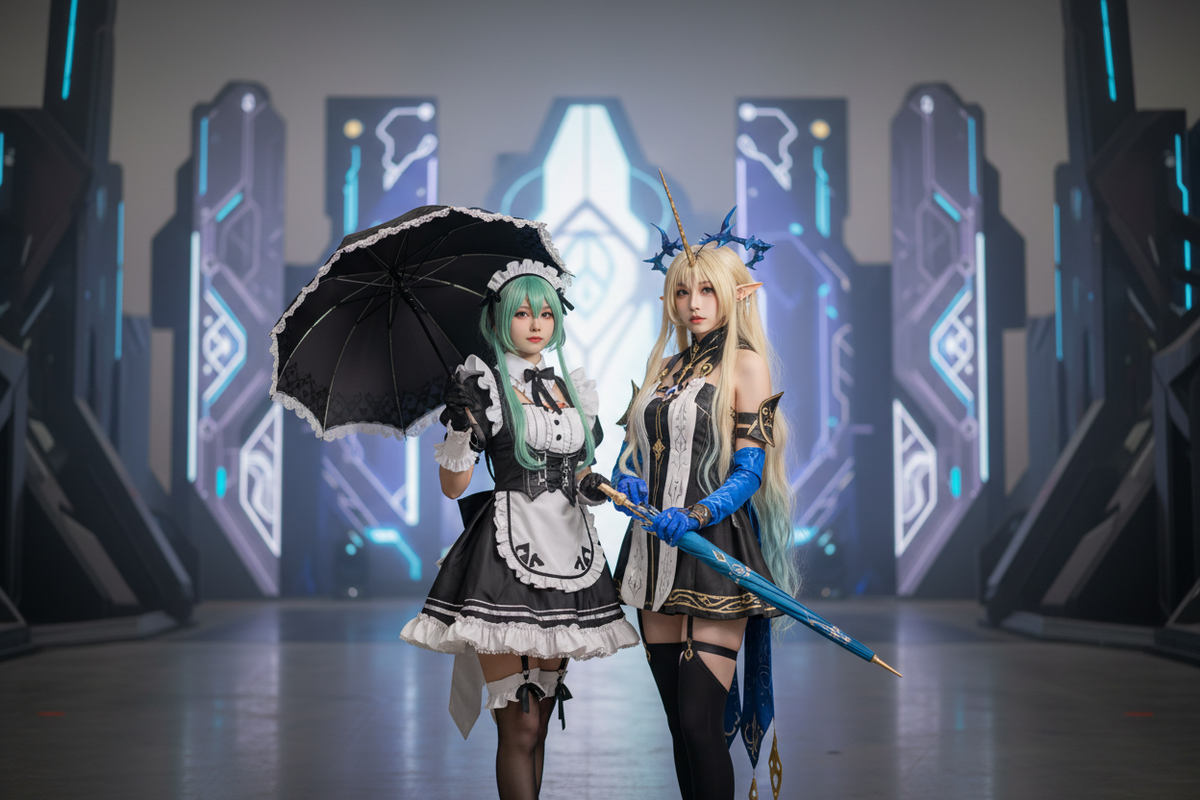
Cinematic Lighting & Framing: Combining polished outfits with clean backdrop environments elevates the overall production value, giving the final post a professional movie-still appearance.
Summary & Related Extended Reading
The rise of fan cosplay breaking into mainstream media proves that authentic passion paired with strategic content creation can bridge the gap between fans and major franchises. By crafting high-quality outfits, leveraging engaging social media hooks, and maintaining post-viral momentum, creators can successfully transform their cosplay passion into official industry recognition.


Laisser un commentaire
Ce site est protégé par hCaptcha, et la Politique de confidentialité et les Conditions de service de hCaptcha s’appliquent.