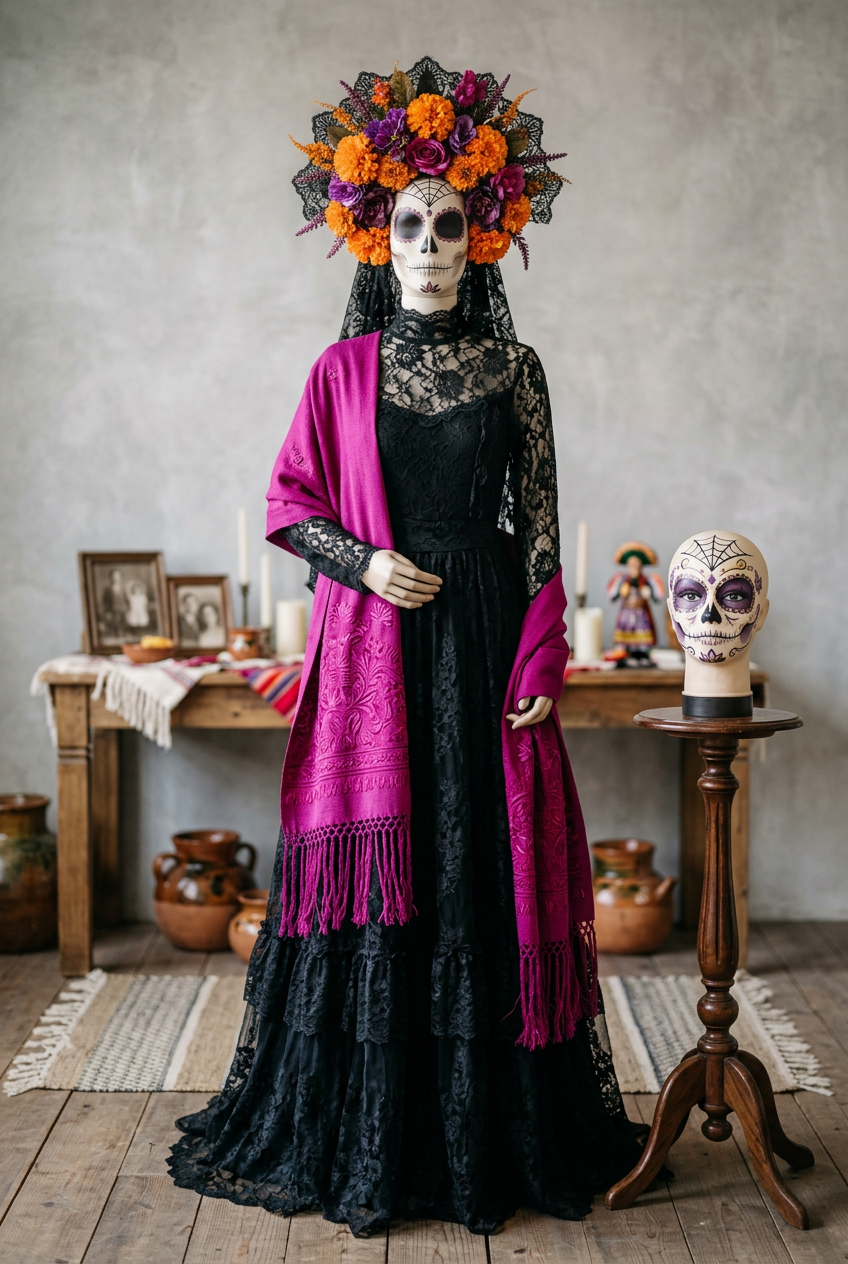
Is It Cultural Appropriation to Wear a Catrina Costume for Halloween?
Direct Answer: Is it cultural appropriation to wear a Catrina costume depends heavily on context, intent, and location. Treating La Catrina as a scary or commercialized Halloween costume vs Día de Muertos celebration outfit is widely considered appropriation, whereas participating in traditional community events with cultural understanding is viewed as appreciation.
Perspectives Across the Community
The ongoing debate surrounding the Catrina costume cultural appropriation highlights two main viewpoints within modern pop culture and social media:
-
The Case for Appropriation (Offense & Commercialization): Critics point out that Día de Muertos (November 1–2) is a sacred, ancestral holiday dedicated to honoring deceased loved ones—not a spooky secular holiday like Halloween. Wearing La Catrina makeup to casual Halloween drinking parties strips the symbol of its spiritual dignity, turning sacred memory into a disposable novelty outfit.
-
The Case for Appreciation (Cultural Exchange & Sharing): Conversely, many creators and community leaders argue that Mexican culture is meant to be shared rather than isolated. When participants take the time to learn the history behind the Day of the Dead costume aesthetic, support Mexican artists, and wear the look during legitimate remembrance events, it serves as a meaningful act of Día de Muertos cultural respect.
What Is the Cultural Meaning of La Catrina and Día de Muertos Makeup?
Direct Answer: The Day of the Dead makeup cultural meaning originates from satirical artist José Guadalupe Posada’s La Calavera Garbancera (c. 1910–1913) and Diego Rivera’s murals, representing social equality in death, humility, and the celebratory connection between the living and the departed.
                     +---------------------------------------+
                     | HISTORICAL EVOLUTION OF LA CATRINA    |
                     +---------------------------------------+
                                         |
               +-------------------------+-------------------------+
               v                                                   v
  [ 1. Aztec Roots & Mictecacihuatl ]                 [ 2. Satirical Political Art ]
  - Ancient worship of the Queen of the Underworld    - José Guadalupe Posada's zinc etching (c. 1910)
  - Skull symbolism celebrating life through death    - Mocked indigenous people hiding their heritage
               |                                                   |
               +-------------------------+-------------------------+
                                         v
                     +---------------------------------------+
                     | 3. Modern Cultural Icon               |
                     - Diego Rivera mural names "La Catrina" |
                     - Central symbol of Día de Muertos      |
                     +---------------------------------------+
Deconstructing the Symbolism
Understanding Mexican cultural representation in cosplay requires separating historical satire from generic horror tropes:
-
Social Equality in Death: Posada originally depicted La Calavera Garbancera wearing only an extravagant European-style hat to mock indigenous Mexicans who denied their heritage to adopt French high fashion. The underlying message was clear: regardless of wealth or status, everyone eventually becomes a skeleton (calavera).
-
Diego Rivera's Re-imagining: Muralist Diego Rivera later added full formal attire, named her "La Catrina" (referencing a wealthy, elegant person), and placed her at the center of his iconic 1947 mural Dream of a Sunday Afternoon in Alameda Park.
-
The Sugar Skull (Calavera): The floral details, intricate line work, and bright colors surrounding the skeleton eyes symbolize the beauty of life, contrasting sharply with western horror traditions that depict skeletons purely as symbols of terror or evil.
How Can Non-Latinx Cosplayers Create a Respectful La Catrina Look?
Direct Answer: Learning how to create a respectful La Catrina look requires separating the outfit from Halloween horror parties, honoring traditional elements like marigolds (cempasúchil), avoiding vulgar or gory alterations, and supporting authentic Mexican artisans.
Guidelines for Respectful Participation
If you choose to assemble an outfit inspired by La Catrina for cultural events or educational conventions, follow these key practices:
-
Separate the Event from Halloween: Do not mix La Catrina makeup with horror elements like fake blood, vampire fangs, or slasher props. Wear the outfit to celebrate life and memory during November 1–2 events rather than October 31 costumed parties.
-
Maintain Elegance and Dignity: Authentic Catrina attire favors classic formal gowns, floral headpieces featuring marigolds (cempasúchil), and detailed face painting. Subtle renditions—such as half-face skull painting paired with traditional attire—offer a understated homage.
-
Support Authentic Creators: Source your accessories, floral crowns, or embroidered garments directly from Mexican artisans and small business owners rather than mass-market novelty shops. Complete your look with verified La Catrina inspired makeup and respectful Day of the Dead accessories.
Conclusion & Cultural Resources
Navigating the line between cultural appreciation and appropriation comes down to education, intent, and execution. By recognizing La Catrina as a dignified symbol of memory and equality rather than a generic Halloween costume, participants can honor Mexican heritage while keeping its rich artistic tradition alive. Explore our selection of La Catrina inspired makeup and respectful Day of the Dead accessories to build a thoughtful presentation for your next cultural event!

Laisser un commentaire
Ce site est protégé par hCaptcha, et la Politique de confidentialité et les Conditions de service de hCaptcha s’appliquent.