Introduction: Unpacking the Engineering Behind NYCC's Showstopping Builds
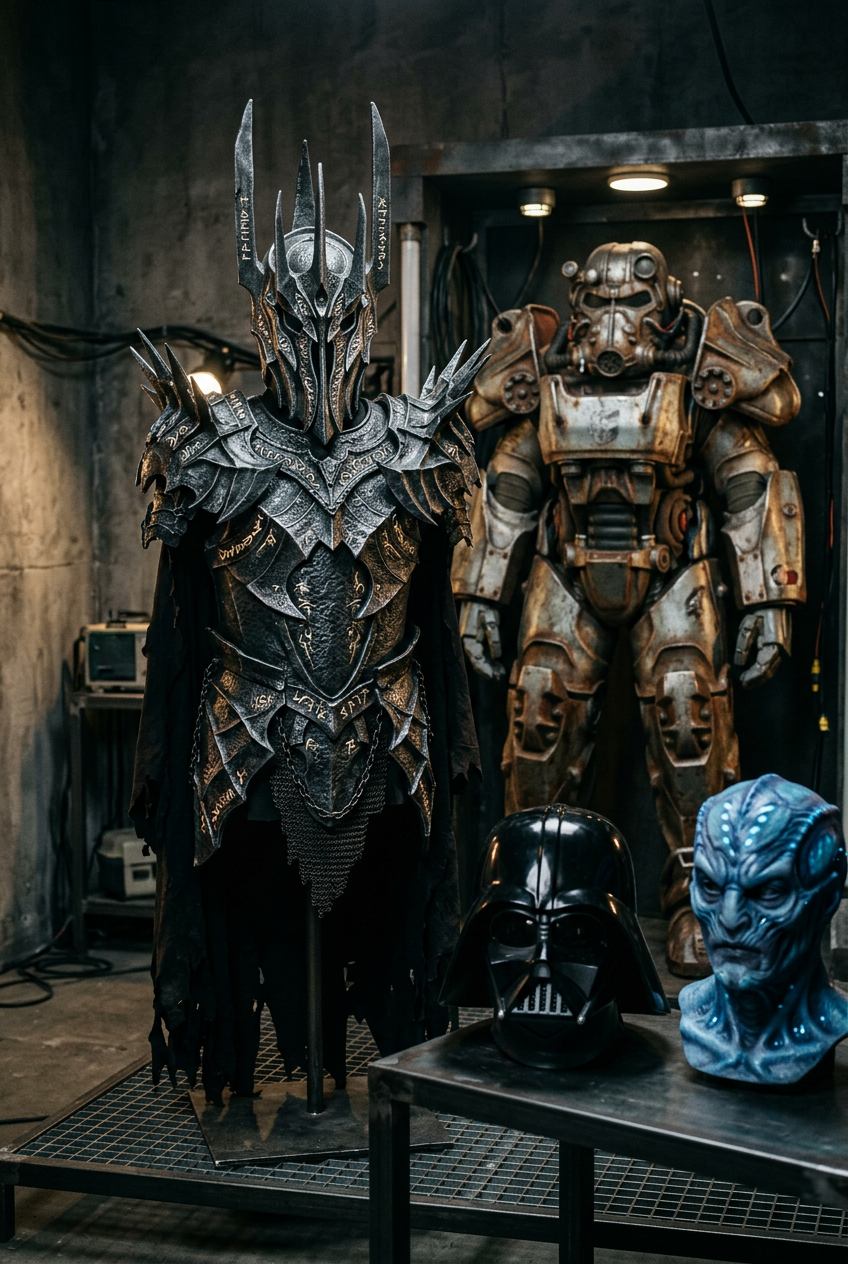
New York Comic Con 2026 showcased incredible craftsmanship across every floor of the Javits Center. While street-level suits dominate crowd mobility, the true focal points of convention photography are the "Big Builds"—massive armored suits, mechanical exoskeletons, and detailed prosthetic transformations.
Bringing an iconic giant to life requires balancing visual scale against structural weight, thermal management, and transportation logistics. This teardown breaks down the materials, internal frameworks, and FX techniques used to construct four standout builds from NYCC 2026.
Quick Comparison Table: NYCC 2026 Big Build Teardown
| Build Project | Primary Materials & Hardware | Est. Fabrication Time | Key Crafting Challenge |
| 1. Dark Lord Sauron | 8mm–10mm High-Density EVA, Worbla, Chrome Rubbing Wax | 150 – 220 Hours | Spiked articulation and weight distribution across shoulders |
| 2. Fallout Power Armor | Expanded Pepakura EVA, Internal PVC Frame, Articulated Stilts | 250 – 400 Hours | Scale proportioning, ventilation airflow, and stilt balance |
| 3. Battle-Damaged Vader | Modified ABS Helmet, Liquid Latex, Silicone Flesh Prosthetics | 80 – 120 Hours | Seamless blending of shattered helmet plastic with skin FX |
| 4. Full-Body Na'vi (Jake Sully) | Alcohol-Activated Body Paint, Pros-Aide, Cast Ear Prosthetics | 4 – 6 Hours (Application) | Smudge-proofing pigments against sweat and clothing friction |
1. Dark Lord Sauron Armor — High-Density EVA & Spiked Silhouette Engineering
Capturing the dark medieval presence of Middle-earth's dark lord demands aggressive angular geometry, filigree engraving, and intimidating vertical height.
-
Core Fabrication Techniques: The foundation utilizes 8mm to 10mm high-density foam (100kg/m³) heat-formed over custom paper patterns. The intricate filigree patterns lining the chest plate and gauntlets are created using 3D puff paint dispensations or laser-engraved 2mm foam overlays.
-
Pros & Cons: Lightweight compared to metal casting, offering impressive visual impact; the long crown spikes require flexible wire cores to prevent snapping in crowded convention aisles.
-
Best Suited For: Advanced armor builders looking to master intricate surface textures and weathered metallic finishes using Sauron armor cosplay techniques.
2. Fallout Power Armor — Scale Mechanics, Internal PVC Exoskeletons & Stilts
Standing over 7 feet tall on the convention floor, oversized mecha and power suits command attention through scale mechanics.
-
Core Fabrication Techniques: Built over an internal skeleton of schedule-40 PVC pipes and heavy-duty drywall stilts. The outer armor shell uses thick, heat-draped 10mm EVA foam sheets reinforced with fiberglass rods along high-stress thigh and torso joints.
-
Pros & Cons: Unmatched visual presence; severely restricted peripheral vision, high internal temperatures, and a requirement for dedicated handlers to assist with navigation.
-
Best Suited For: Collaborative prop studios specializing in Fallout power armor cosplay projects designed for convention stage entries.
3. Battle-Damaged Darth Vader — Melted ABS Helmets & FX Prosthetic Appliances
Combining a classic villain silhouette with organic gore effects produces an eye-catching storytelling contrast.
-
Core Fabrication Techniques: A commercial ABS plastic Vader helmet is carefully cut using a rotary tool and heat gun to simulate plasma blast damage. The exposed face section utilizes encapsulated silicone or gelatin prosthetics adhered with Pros-Aide to mimic scarred skin and mechanical cybernetic implants beneath the cracked helmet shell.
-
Pros & Cons: Tells a compelling visual story while improving airflow through shattered helmet sections; requires extensive pre-convention makeup testing and application time.
-
Best Suited For: Special effects makeup artists looking to combine rigid prop building with prosthetic cosplay makeup application.
4. Jake Sully (Na'vi) Body Paint — Alcohol-Activated Pigments & Silicone Appliances
Executing a full-body transformation relies on durable cosmetics that withstand a full day of convention wear.
-
Core Fabrication Techniques: Rather than water-based face paint that smudges under sweat, full-body Na'vi transformations utilize alcohol-activated paint airbrushed over sealed skin. Facial structure alterations—such as wide nasal bridges and pointed elf ears—are cast in soft platinum silicone and blended seamlessly using acetone-melted edges.
-
Pros & Cons: Flawless camera translation under flash photography; requires a multi-hour application session before entering the floor and specialized oil cleansers for removal.
-
Best Suited For: Cosplay models working with dedicated makeup artists for high-resolution photography meetups.
How to Select Sourcing Materials for Oversized Cosplay Builds
-
Prioritize Density Over Thickness: When building large shoulder pauldrons or chest plates, choose high-density foam (100kg/m³ or higher). High-density foam allows you to carve clean bevels without structural collapsing.
-
Build Modular Transport Joints: Ensure armor pieces larger than 3 feet disconnect into smaller sub-assemblies using heavy-duty nylon luggage buckles or industrial velcro for easy vehicle transport.
-
Invest in Safety and Finishing Supplies: Never compromise on ventilation or surface prep. Explore our curated selection of cosplay armor building supplies to stock up on heat guns, barge cement, primer sealers, and safety respirators before launching your build!
Conclusion
Mastering large-scale builds at events like NYCC 2026 armor cosplay requires combining structural prop design with advanced finishing techniques. By selecting the right materials, planning for wearer comfort, and using proper sealants, you can build impressive, convention-ready armor. Head over to our catalog to secure high-grade cosplay armor building supplies and take your next build to the next level!


Laisser un commentaire
Ce site est protégé par hCaptcha, et la Politique de confidentialité et les Conditions de service de hCaptcha s’appliquent.