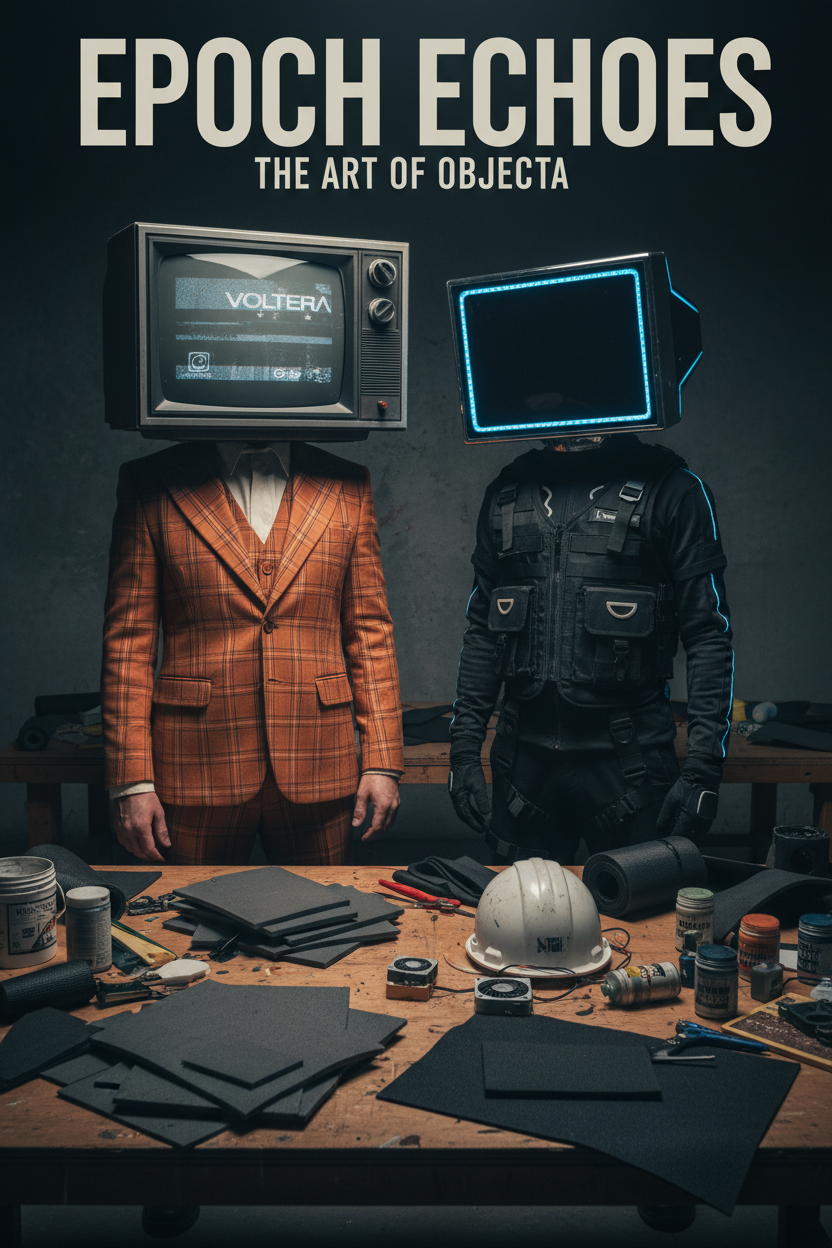
Designing an object head cosplay allows creators to move beyond replicating existing anime or gaming IP, shifting instead toward surreal, surrealist self-expression. Rooted in internet aesthetic movements like weirdcore and dreamcore, this subculture replaces the human head with non-human everyday items—such as vintage CRT televisions, clock faces, or globe heads—creating a completely anonymized, avant-garde silhouette.
Project Goal & Materials Checklist
Goal: Design, construct, and line a lightweight, breathable, full-coverage non-human cosplay headpiece (such as a TV or globe head) for an original character cosplay build.
Essential Tools & Materials:
-
Head Structure Base: High-density EVA foam sheets (5mm–10mm) or lightweight hollow plastic/cardboard shells.
-
Vision & Ventilation Mesh: One-way vision mesh, buckram fabric, or tinted acrylic visors.
-
Internal Harness: Adjustable hard hat liner or chin-strap suspension system.
-
Cooling Electronics: 5V USB micro cooling fans, low-voltage wiring, and power bank packs.
-
Finishing & Hardware: Contact cement, acrylic paints, primers, and fabric lining.
Step 1: Draft the Silhouette and Engineer the Vision System
Unlike standard helmets, an object head costume prioritizes geometric scale over natural head contours. The critical balance lies in making the headpiece large enough to look striking without placing undue strain on your neck muscles.
                   [ OBJECT HEAD DESIGN BALANCE ]
                                 │
     ┌───────────────────────────┼───────────────────────────┐
     ▼                           ▼                           ▼
1. Structural Geometry       2. Stealth Vision           3. Active Airflow
- Scaled CRT box / globe     - Tinted acrylic or mesh    - Dual 5V micro fans
- Hollow, lightweight EVA      concealed behind screen    pumping air through
  foam (5mm-10mm)              or dial features           hidden speaker grilles
-
Establish the Scale Grid: Measure your shoulder width and build cardboard mockups. A TV head should extend 2–3 inches past your shoulder line to maintain surreal proportions without obstructing arm movement.
-
Disguise Sight Lines: Integrate vision ports directly into the object's features—such as the dark glass screen of a TV, the dial of a clock, or speaker grilles—using painted one-way buckram mesh or smoked acrylic.
-
Plan Ventilation Entry Points: Design disguised intake and exhaust vents along the bottom rim or top vents to ensure constant fresh airflow.
Step 2: Sculpt the Head Enclosure and Install Internal Harnessing
Securing a heavy or oversized geometric headpiece requires transferring its weight directly to your skull's crown rather than letting it rest on your shoulders.
                    [ INTERNAL HEADPIECE SUSPENSION ]
                                   │
 ┌─────────────────────────────────┼─────────────────────────────────┐
 ▼                                 ▼                                 ▼
1. Anchor Adjustable Hard Hat    2. Install Micro Cooling Fans      3. Mount Counterweights
- Glue suspension liner to top   - Position intake fan near chin    - Balance front-heavy props
  interior ceiling with contact    and exhaust fan near top rear     with internal battery packs
  cement                           vent                             in rear lower corners
-
Construct the Outer Shell: Cut and glue high-density EVA foam panels using contact cement, or hollow out lightweight plastic spheres for round object heads.
-
Mount the Internal Suspension: Fasten an adjustable hard hat ratchet liner into the top ceiling of the shell. This stabilizes the object head during movement and prevents wobble.
-
Wire Active Airflow: Mount two 5V USB micro-fans inside hidden intake ports near the chin and exhaust ports at the top rear, keeping the internal environment cool and fog-free.
Step 3: Paint, Distress, and Pair With Formal Apparel
Finishing an original character head design relies on contrasting the inanimate headpiece with formal or vintage streetwear to evoke weirdcore object head cosplay aesthetics.
| Design Phase | Weirdcore / Dreamcore Style | Cyberpunk / Sci-Fi Style |
| Headpiece Object | Vintage CRT television, retro clock, antique camera | Sleek LED monitor, futuristic camera lens |
| Surface Finish | Muted acrylics, weathered scratches, analog decals | High-gloss enamel, chrome paint, sharp LED strips |
| Wardrobe Pairing | Tailored 1970s suits, trench coats, formal school uniforms | Tactical vests, dark techwear, distressed leather jackets |
-
Prime and Paint: Seal raw EVA foam with rubberized primer before applying acrylic paints. Add faux rust, scratches, or vintage logos to enhance the uncanny dreamcore cosplay ideas aesthetic.
-
Line the Interior: Glue dark, moisture-wicking fabric along the inner walls to absorb sweat, conceal internal wiring, and prevent raw foam from scratching your skin.
-
Assemble the Wardrobe: Pair your completed headpiece with structured corporate wear, tailored suits, or vintage dresses to complete the eerie, de-individualized silhouette.
Troubleshooting Object Head Cosplay Pitfalls
Problem 1: Visor or Screen Fogs Up Instantly
-
Cause: Moisture build-up from trapped breath inside the sealed headpiece.
-
Solution: Install 5V cooling fans directly facing the interior screen, and treat clear acrylic surfaces with anti-fog spray before wearing.
Problem 2: Headpiece Tilts Forward or Wobbles When Walking
-
Cause: Improper weight distribution or a loose internal harness.
-
Solution: Shift internal battery packs toward the lower rear corners as counterweights, and tighten the hard hat ratchet suspension strap.
Problem 3: Poor Peripheral Vision at Conventions
-
Cause: Small, restrictive vision mesh cutouts.
-
Solution: Expand screen mesh cutouts and use double-layer black mesh to maintain external opacity while maximizing your field of view from within.
Unlocking Unconstrained Visual Artistry
Building an object head cosplay gives makers complete artistic freedom away from established IP constraints. By combining internal harness support, active cooling, and creative prop techniques, you can transform everyday objects into striking, surrealist performance art.
Ready to engineer your first surreal character? Source versatile original character head structure supplies to secure foam sheets, suspension harnesses, and cooling fans, or explore our guide on Fursuit Construction Techniques for Mainstream Cosplay to see how other builders solve non-human head structures.


Laisser un commentaire
Ce site est protégé par hCaptcha, et la Politique de confidentialité et les Conditions de service de hCaptcha s’appliquent.