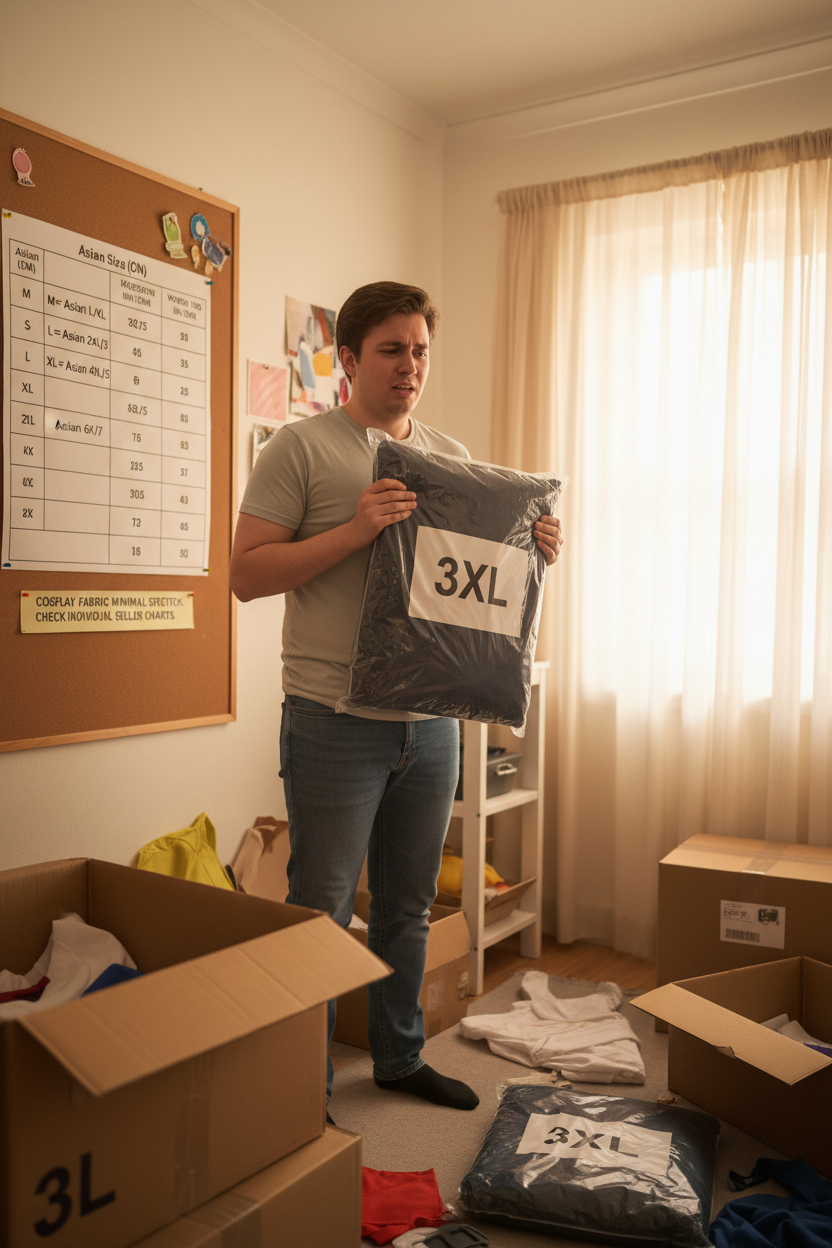
A recent community discussion captured the problem perfectly: a cosplayer had already tried a 3XL and it still ran too small, because so much of the cosplay costume market is built on Asian sizing standards that don't map cleanly onto Western size expectations. Commenters piled on with the same frustrations — sizing varies wildly between different sellers, most cosplay fabric has little to no stretch, and pieces labeled "plus size" don't actually work for every plus-size body, since body shapes vary even at the same measurements. Some people end up altering the costume themselves out of necessity, not choice.
This is really a cosplay sizing problem, not a shopping problem. The character's proportions are fixed in the reference art; your body isn't a fixed proportion at all — and the real skill in character accuracy vs body fit isn't finding a magical size that matches you exactly, it's knowing how to bridge that gap deliberately, before you're stuck with a costume that doesn't work.
What you'll need before you start:
- Your own accurate body measurements (not your usual clothing size — actual numbers, taken recently)
- A basic understanding of how the specific seller's size chart is built (more on why this matters in Step 1)
- A simple alteration toolkit: seam ripper, needle and thread, safety pins, and fabric-appropriate elastic if you're planning any adjustments
- Realistic timeline expectations — sizing issues need to be caught and addressed with weeks of buffer, not days
Step 1: Measure Yourself Properly and Understand Why Standard Charts Keep Failing You
The single biggest mistake in cosplay shopping is sizing based on your regular clothing size instead of your actual body measurements. This matters more in cosplay than in everyday fashion, for a very specific reason: a huge share of the cosplay for different body types market is manufactured against Asian sizing standards, which run noticeably smaller than Western sizing at the same labeled size. A "3XL" from one seller can sit closer to what a Western brand would call a Large or XL — which is exactly why cosplayers report a labeled 3XL still running too small, even when they'd normally wear something smaller in everyday clothes.
Start by measuring your actual bust, waist, and hip circumference, plus any garment-specific measurements the listing asks for (shoulder width, inseam, sleeve length). Compare those numbers directly against the specific product's size chart — never assume "Large" means the same thing across two different sellers, because in cosplay specifically, it frequently doesn't. This single habit solves more cosplay sizing problems before they happen than any other step in this guide.
It's also worth understanding that most cosplay fabric has minimal stretch compared to everyday knitwear. A size chart's "should fit" range assumes very little give, so if your measurements sit right at the edge of a size bracket, that's a meaningfully different situation than it would be with a stretchy cotton t-shirt. When in doubt between two sizes, sizing up is almost always the safer call for low-stretch cosplay fabric — a slightly loose fit can be taken in with basic alterations, while a piece that's genuinely too tight is far harder to fix without risking damage to seams or fabric.
Step 2: Understand What "Custom Sizing" Actually Means Before You Buy
This is the step that catches even experienced cosplayers off guard. Some sellers advertise custom size cosplay options, and it's reasonable to assume that means the garment is being cut and constructed specifically around your measurements. In a lot of cases, it doesn't mean that at all — recent community discussion has pointed out that some "custom sizing" is really just an algorithm or a staff member matching your submitted measurements to the nearest existing size in their standard lineup, not a genuinely made-to-measure garment built from your numbers.
This distinction matters enormously for anyone relying on custom sizing specifically because their body doesn't fit standard size brackets well. If a seller's "custom" option is actually just nearest-match sizing, someone with a body shape that falls between or outside standard proportions (a fuller bust with a narrower waist, broader shoulders relative to hip width, or any combination standard grading doesn't account for) will still end up with essentially the same fit problems a standard size would have given them — just with a higher price tag and a longer wait, and often no ability to return an item marketed as custom-made.
Before ordering anything advertised as body inclusive cosplay or custom-fit, ask the seller directly (most have a contact option) whether the piece is genuinely pattern-drafted from your submitted measurements, or whether "custom" means selecting the closest pre-existing size bracket. This one question can save you from paying a premium for something that solves nothing. If a seller can't or won't answer clearly, treat that as a signal to plan for cosplay costume alterations yourself regardless of what size label you order.
Step 3: Plan for Alterations Before You Buy, Not After
Once you understand your real measurements and know what you're actually getting from a given seller's sizing system, the final step is deciding upfront how much alteration work this specific piece will likely need — rather than discovering it after the package arrives and you're already on a tight timeline.
For pieces with simple, forgiving construction (loose robes, oversized jackets, basic separates), sizing up slightly and taking in the excess with basic seams is a manageable weekend project even for someone without much sewing experience — a few pinned adjustments and straight-line stitching along existing seams goes a long way. For more fitted or structurally complex pieces (bodices, anything with boning or built-in structure, fitted bodysuits), plan for either more involved tailoring or budget in advance for a local tailor, since these garments don't tolerate improvised fixes as well as simpler pieces do.
If you already know a piece runs small based on other buyers' reported experiences or the seller's own sizing notes, consider ordering a size up specifically to leave yourself room to let a seam out, rather than gambling on the labeled size being generous enough. This is a far more reliable strategy than hoping a "true to size" claim holds up, especially with sellers whose sizing consistency varies from item to item.
Build alteration time into your actual event timeline, not as an afterthought. If a costume needs real tailoring work, that's genuinely easier to plan for with a month of buffer than a week — rushed alterations on unfamiliar fabric are where avoidable mistakes happen, like cutting a seam too aggressively or using the wrong needle for a delicate material.
Troubleshooting: Common Cosplay Sizing Pitfalls
"I followed the size chart exactly and it still doesn't fit." This usually means either the seller's actual construction doesn't match their stated measurements (unfortunately common, and worth checking recent buyer reviews for sizing complaints before you order), or your measurements fell right at a size boundary where the low-stretch fabric didn't have enough give to compensate. If this happens repeatedly with a specific type of garment, it's worth sizing up by default for that category going forward, rather than trusting the chart at face value each time.
"The 'plus size' option still doesn't work for my specific shape." This is a genuinely common and valid frustration — a single plus-size grading typically assumes one proportional body shape, and doesn't account for the real diversity of where individuals carry their size. If a labeled plus-size option isn't working, look specifically for sellers who offer separate bust, waist, and hip measurements rather than a single size label, since that gives you more information to judge fit before buying, even if it's not truly custom-drafted.
"I paid extra for custom sizing and it fits basically the same as standard." As covered in Step 2, this is a known issue with sellers whose "custom" process is really nearest-match sizing rather than made-to-measure construction. If this happens, it's worth reaching out to the seller directly with your specific fit complaints — some will offer alterations or partial refunds — but going forward, confirm exactly what "custom" means with a seller before paying a premium for it again.
"I'm nervous about altering the costume myself and ruining it." Start with the most forgiving, lowest-risk adjustments first — taking in a side seam or adjusting a hem — rather than attempting a major structural change on your first try. If a piece is expensive or structurally complex, it's genuinely worth the cost of a local tailor rather than risking irreversible damage on a first solo attempt.
"I don't know my measurements well enough to trust them." Measure yourself (or have someone help you) using a proper soft measuring tape, standing naturally rather than pulling the tape tight, and take each measurement twice to confirm consistency. Outdated measurements, guessed numbers, or measurements taken over bulky clothing are a common hidden cause of sizing problems that otherwise look like the seller's fault.
Next Steps
Once you've gone through this process once — measuring accurately, understanding a specific seller's real sizing behavior, and budgeting for alterations upfront rather than as damage control — you'll have a genuinely useful cosplay size guide built from your own experience, and you can apply it faster to every future purchase. Keep a personal note of which sellers run small, which offer real made-to-measure work versus nearest-match "custom" sizing, and which garment types you've successfully altered before — this kind of running knowledge is exactly what turns how to choose cosplay size from a stressful guessing game into a manageable, repeatable process.
If sizing has been a recurring frustration across multiple builds, it's also worth building basic alteration skills deliberately rather than treating every fit issue as an emergency — even a few hours learning basic hand-sewing and simple seam adjustments pays for itself many times over in a hobby where standard sizing so often doesn't match real bodies.

Laisser un commentaire
Ce site est protégé par hCaptcha, et la Politique de confidentialité et les Conditions de service de hCaptcha s’appliquent.