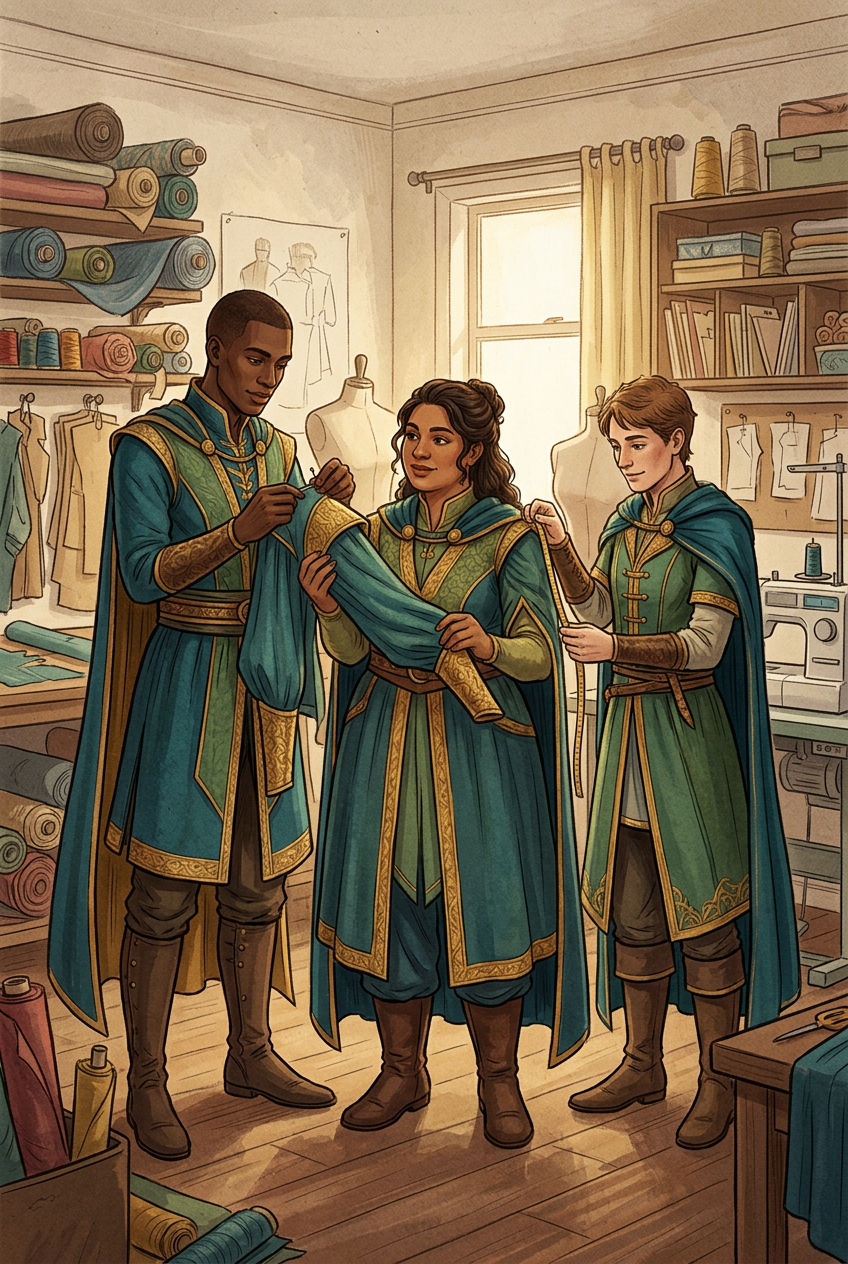
Introduction: Navigating Representation and Fan-Casting Debates
In creator circles across social media, discussions regarding character design, fan-casting, and representation frequently spark passionate discourse. A recent viral debate on X centered on whether crowd-sourcing a character's background dilutes core narrative depth. This conversation directly influences the costuming community, raising fundamental questions about character race representation in cosplay and how fans portray diverse characters.
Cosplay is fundamentally an art form built on passion and creative translation. While debates around official casting and social media fan-casting continue, the community consensus remains clear: anyone can cosplay any character regardless of race, provided the presentation respects the source material without resorting to harmful practices like altering natural skin tones.
Quick Comparison Table: Approaches to Character Representation in Cosplay
| Representation Approach | Core Philosophy | Craftsmanship Focus | Community Best Practices |
| 1. Canon-Accurate | Recreating official on-screen or in-game character designs | Tailoring accuracy, prop building, wig styling | Focus on garment and prop fidelity; do not alter natural skin tone |
| 2. Inclusive Expression | Portraying any character regardless of personal background | Silhouette, color palette, signature accessories | Celebrate personal connection; welcome creators of all backgrounds |
| 3. Cultural AU Redesign | Intentionally adapting character attire to reflect specific cultural aesthetics | Custom embroidery, cultural textile sourcing | Clearly label as an Alternate Universe (AU) build; respect cultural motifs |
1. Traditional Canon-Accurate Approach — Silhouette & Garment Fidelity
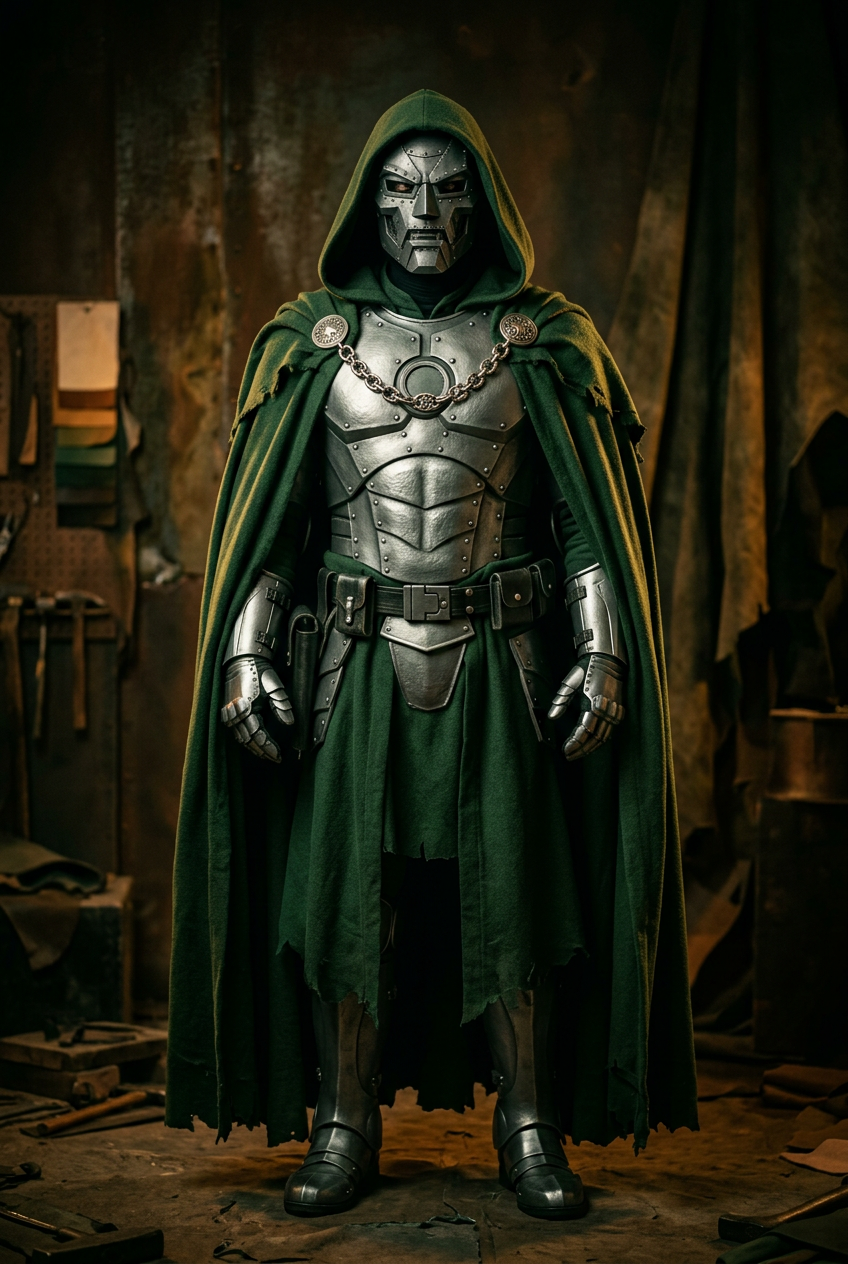
Focusing on exact tailoring, fabric matching, and prop replication ensures recognizable character translation without needing to alter personal features.
-
Core Features: Precision pattern drafting, screen-accurate color matching, detailed prop building, and character-specific wig styling.
-
Pros & Cons: Instantly recognizable on convention floors and in photoshoots; requires extensive sourcing and fabrication time.
-
Best Suited For: Cosplayers aiming for high cosplay character accuracy while celebrating source material designs as officially rendered.
2. Inclusive "Cosplay Any Character" Approach — Unrestricted Creative Expression
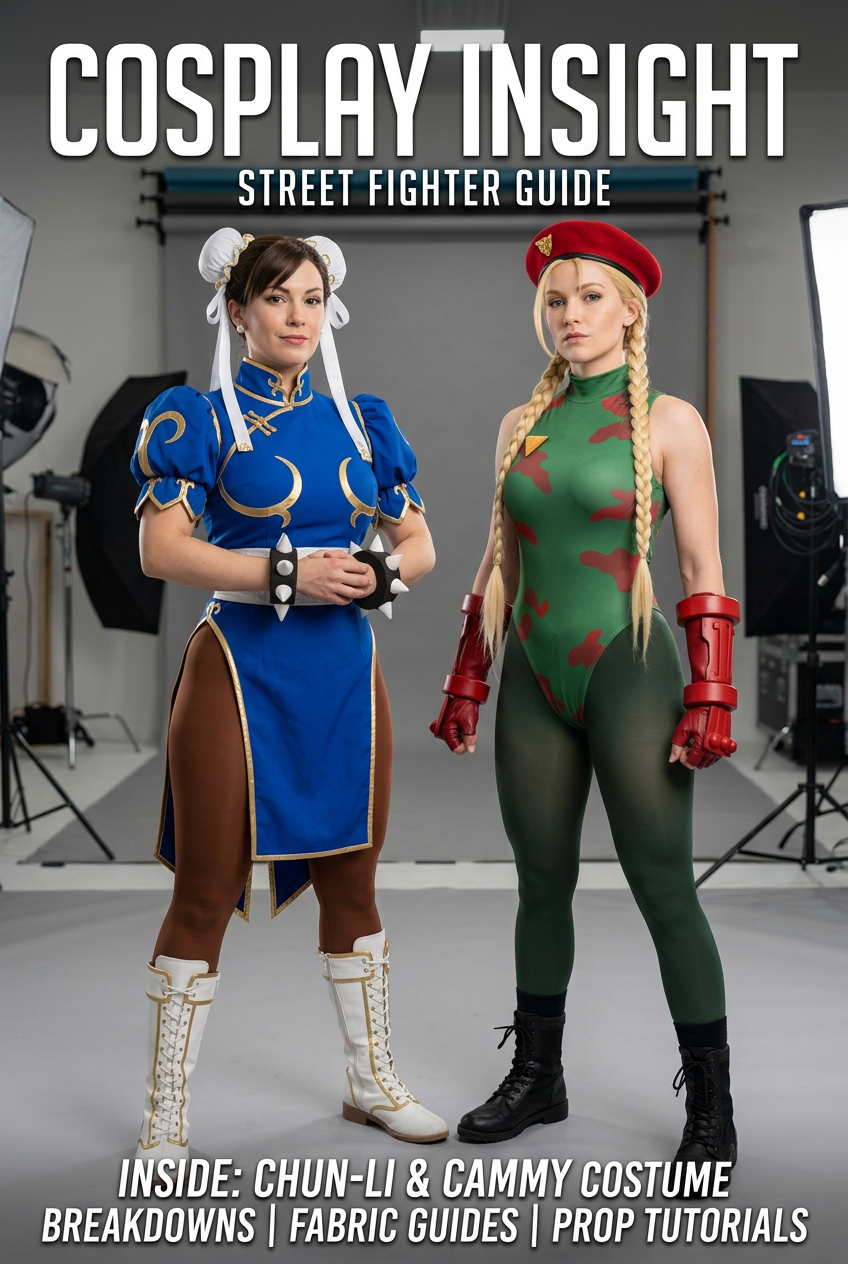
Emphasizing that cosplay is for everyone, this approach welcomes fans of all backgrounds, body types, and races to step into the shoes of their favorite heroes.
-
Core Features: Preserving signature costume elements (color blocking, emblems, iconic weapons) while wearing the outfit in one's natural skin tone and hair texture.
-
Pros & Cons: Fosters maximum community accessibility and personal connection; requires navigating occasional online debates over casting and appearance.
-
Best Suited For: Fans who prioritize fun, personal representation, and supporting broader racial diversity in cosplay.
3. Fan-Redesign & Alternative Cultural Interpretation — Creative AU Reimagining
Adapting a character's outfit into an Alternate Universe (AU) design allows creators to infuse unique cultural aesthetics, textiles, or historical garments into iconic silhouettes.
-
Core Features: Custom pattern modifications, integrating traditional garments (such as Hanfu, Kimono, or dashiki-inspired prints), and re-imagining color palettes.
-
Pros & Cons: Highly creative and visually novel; requires clear communication in captions to distinguish the redesign from canon outfits.
-
Best Suited For: Advanced makers and artists who want to blend pop-culture fandom with custom fashion design.
How to Choose the Most Respectful Approach for Your Costume
-
Focus on Costume Craftsmanship Over Biological Traits: When planning a build, invest time into garment tailoring, prop weathering, and wig styling. A character's identity is defined by their costume silhouette, accessories, and iconic props—not by skin color.
-
Never Alter Your Skin Color: Modifying your skin tone through makeup or digital editing to match a human or human-adjacent character violates community standards. Let your natural complexion shine through the costume.
-
Source Quality Wardrobe Foundations: Starting with well-tailored base garments saves hours of preparation. Explore our store collection for inclusive cosplay costumes designed to fit diverse body types comfortably!
Conclusion
Navigating online character debates comes down to celebrating creativity, respecting creator labor, and supporting an inclusive community. By focusing on tailoring skills, prop accuracy, and welcoming makers of all backgrounds, cosplayers keep the art form vibrant and enjoyable. Explore our catalog of inclusive cosplay costumes to find high-quality foundations for your next build today!

Laisser un commentaire
Ce site est protégé par hCaptcha, et la Politique de confidentialité et les Conditions de service de hCaptcha s’appliquent.