Introduction
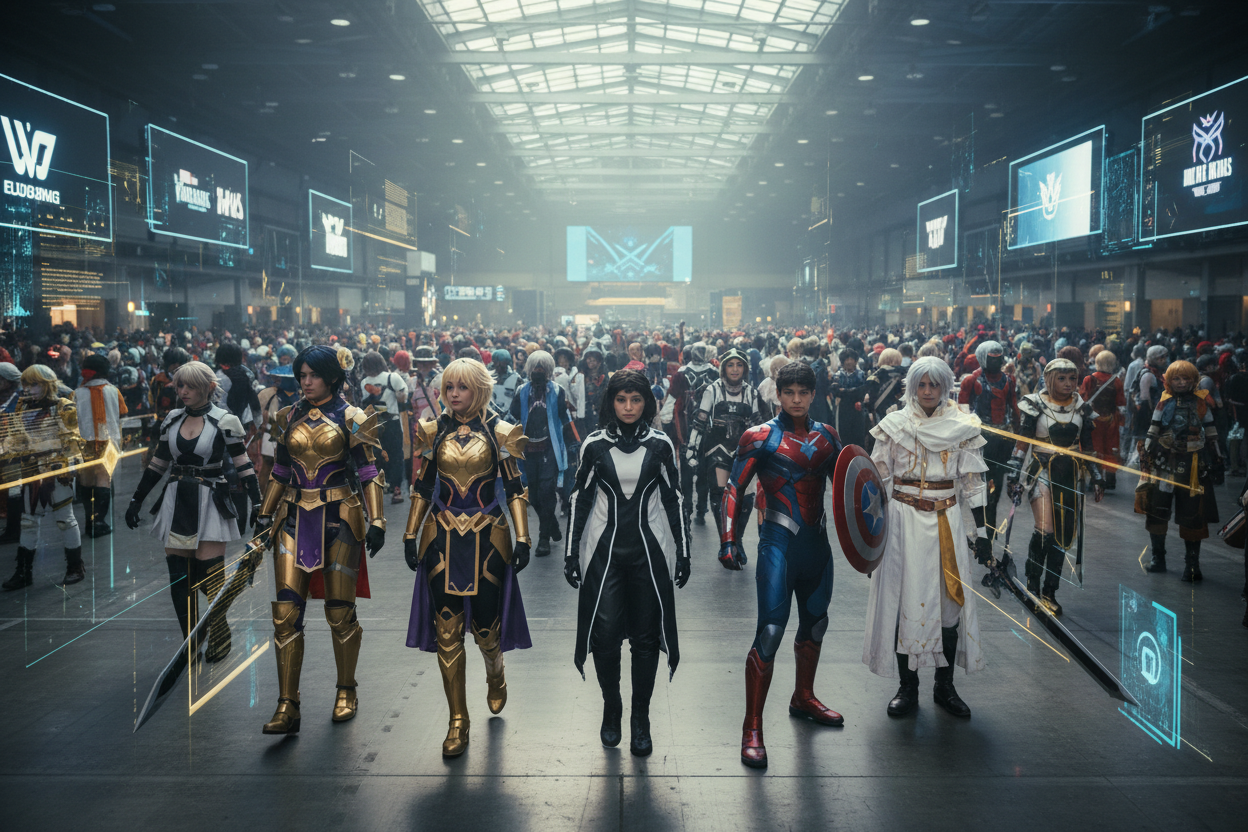
Walk the show floor at almost any major convention in 2026 and the shift is hard to miss: video game cosplay isn't a supporting category anymore — it's becoming the main event. From Genshin Impact and Honkai Star Rail to Wuthering Waves and Marvel Rivals, gaming franchises are now producing some of the most-photographed, most-replicated costumes at events that were, not that long ago, dominated almost entirely by anime and comic book characters. In this guide, we'll break down the data behind that shift, why it's happening now specifically, and what it means if you're planning your own video game cosplay costume for an upcoming convention.
The Data Behind Gaming's Cosplay Takeover
The numbers around cosplay as an industry make the scale of this shift easier to understand. The global cosplay costume market has grown into a multi-billion dollar industry, with U.S. events and merchandise alone contributing an estimated $12.4 billion to GDP. Social platforms have amplified that growth further — cosplay content generated roughly 45 billion views on TikTok, with the #CosplayTok tag alone accounting for around 12 billion of those views.
What's particularly telling is how directly gaming content now drives spending within that ecosystem. Industry trackers have documented cases where a single video game boss fight or character reveal triggered as much as a 120% overnight spike in thread and Worbla sales — a level of immediate, direct commercial impact that's difficult to replicate with a comic book issue or even most anime episode releases, which typically build cosplay interest more gradually. That kind of instant-reaction purchasing behavior is a strong signal of just how central gaming content has become to what cosplayers are actively building toward at any given moment.
Why Faster Content Cycles Favor Video Game Costumes Over Movies and Comics
Here's the structural reason gaming has pulled ahead: live-service and gacha games release new characters far more frequently than any film franchise or ongoing comic series realistically can. Genshin Impact, Honkai Star Rail, and Wuthering Waves all operate on regular multi-week update cycles, each one introducing new playable characters with distinct, fully-realized costume designs. A single year of updates across just these three franchises produces more cosplay-ready character designs than most film franchises release in a decade.
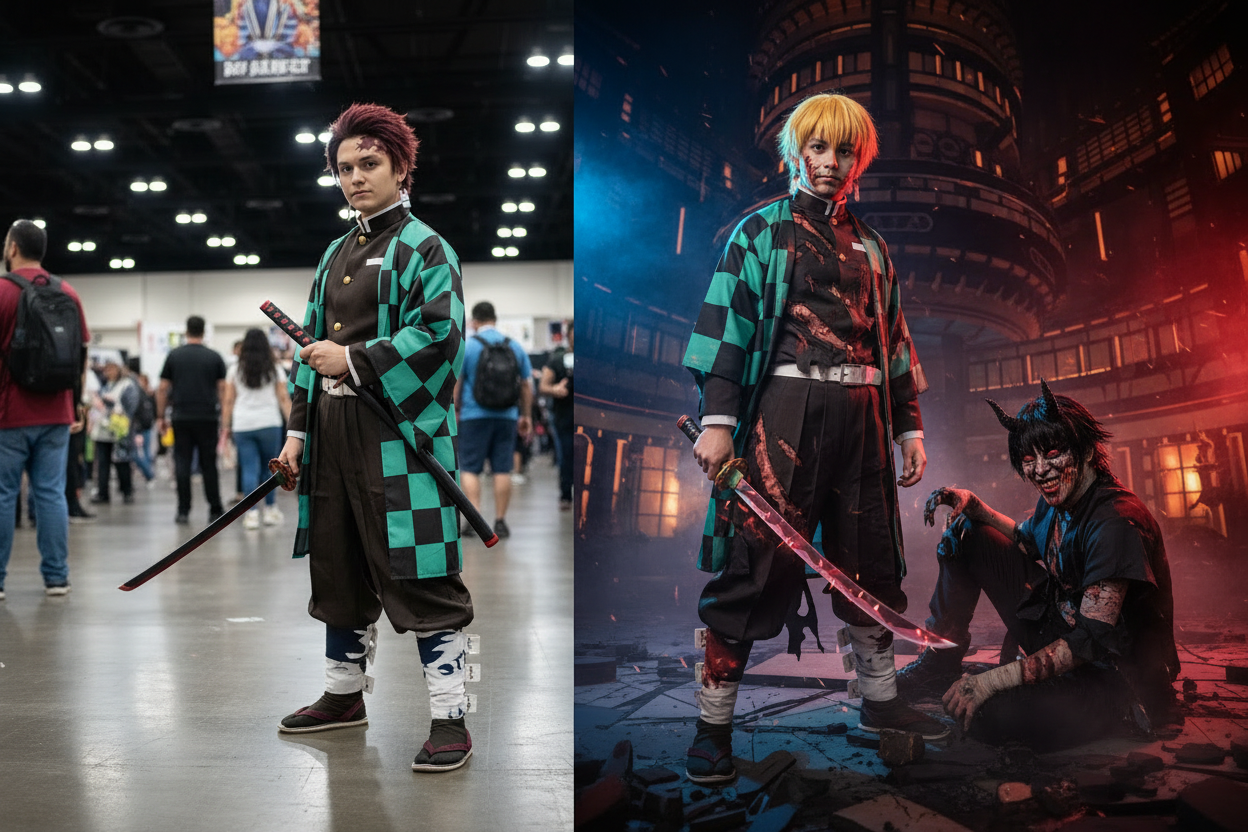
Industry trend coverage tracking 2026 convention seasons has noted this directly: character popularity now spikes and fades within months rather than persisting for years, driven by game updates, movie releases, and social media virality happening in much tighter succession than before. Demon Slayer's Infinity Castle arc, for instance, produced a surge in Tanjiro and Nezuko cosplay within a matter of months — but games are built to produce that same kind of surge on a recurring, predictable schedule, update after update, which is exactly why gaming franchises are increasingly treated as the most reliable source of fresh convention content rather than a once-a-year event tied to a single film release.
That reliability compounds over time. A cosplayer building toward Marvel or DC has to wait for the next film or streaming series to generate a wave of fresh, cosplay-worthy designs. A cosplayer following Genshin Impact, Wuthering Waves, or Honkai Star Rail can reasonably expect a new character-driven wave of interest every few weeks, which keeps gaming-based cosplay content — and by extension, gaming-based costume sales — in a nearly constant state of renewal.
From Genshin to Marvel Rivals: Which Franchises Are Actually Driving the Shift
A handful of franchises account for most of gaming's current cosplay momentum, each pulling a slightly different cosplayer base:
-
Genshin Impact and Honkai Star Rail remain the most consistently dominant HoYoverse franchises in convention rankings, with a deep enough character roster at this point that new content keeps arriving faster than any single cosplayer could build through. Check out our detailed Genshin Impact and Honkai Star Rail costumes for tailored builds that hold their structure through long convention walking.


-
Wuthering Waves has moved from a smaller, dedicated following into a genuine convention-floor staple over the course of 2026, with independently confirmed cosplay presence at major events on two continents — a sign the franchise has crossed from emerging trend into an established part of the gaming cosplay landscape.
-
Marvel Rivals represents something slightly different: a competitive, live-service game built on existing Marvel IP, which gives it built-in recognition while still functioning like a live-service game in terms of content cadence — new character releases, seasonal cosmetics, and a rapidly growing, highly active cosplay-specific social media community. If you're building for these PvP battlegrounds, explore our precision-cut Marvel Rivals cosplay outfits .
-
Final Fantasy shows that this shift isn't purely about new releases — its decades-deep character catalog continues to perform well in current cosplay rankings, proving that a franchise with enough accumulated character depth can compete with faster-cycling live-service games even without constant new content.
Traditional Cosplay Sources vs. Video Game Franchises: What Actually Changed
What This Means for Building Your Own Gaming Costume
If you're planning a video game cosplay build for an upcoming convention, a few practical takeaways follow directly from this shift:
-
Timing matters more than it used to. Because game-driven cosplay trends move in months rather than years, building toward a character shortly after their release window gives you meaningfully more visibility and audience interest than waiting a full year.
-
Reference material availability varies more than with legacy franchises. Newer live-service game characters sometimes have less community-built tutorial content than long-established anime or comic characters, which means budgeting extra time for figuring out construction details yourself is often worth planning for.
-
Franchise depth is now a genuine selling point. Games like Genshin Impact and Wuthering Waves offer enough character variety to support multiple different cosplayer styles — precise, photogenic builds and prop-heavy action builds alike — within a single fandom, which wasn't always true of earlier single-character-driven trends.
-
Don't count out legacy franchises. Final Fantasy's continued strong performance in current rankings is a reminder that decades of accumulated character depth can still outperform faster-moving trends, particularly for cosplayers who prefer working from well-documented, thoroughly tested reference material.
-
Insist on real tailoring photos before buying. With game designs incorporating complex panelling and metallic accents, verify that sellers provide quality gaming cosplay builds rather than low-quality 3D renders that look completely different in reality.
Frequently Asked Questions
Are video games actually the biggest source of cosplay characters now, or just growing quickly? Both are true simultaneously — anime and comic-based cosplay remain enormous categories overall, but gaming franchises are growing at a notably faster rate and increasingly dominate the "what's currently trending" conversation at major conventions.
Why do gaming characters spike in popularity faster than movie or anime characters? Live-service and gacha games release new playable characters on frequent, predictable update cycles — often every few weeks — which is a fundamentally faster content cadence than most film franchises or ongoing anime series can sustain.
Is this trend specific to North America, or is it global? Coverage of major 2026 conventions on multiple continents — including North American events and European conventions like DoKomi — has independently confirmed the same pattern, suggesting this is a global shift rather than a regional one.
Does this mean anime and comic cosplay is declining? No — franchises like Demon Slayer and major comic universes continue to produce significant cosplay surges around major releases. Gaming isn't replacing them, it's adding a much faster-cycling category alongside them.
What's the best way to keep up with which game characters are trending before a convention? Tracking recent update/patch schedules for major live-service games, alongside cosplay-specific social media tags, tends to be a more reliable early indicator than waiting for a character to show up at the next major convention.
Conclusion
Choosing the right video game cosplay costume in 2026 means understanding why gaming has pulled ahead of traditional cosplay sources in the first place: faster content cycles, deeper ongoing character rosters, and a level of commercial and social responsiveness that film and comic franchises simply aren't built to match. Whether you're drawn to Genshin Impact's established depth, Wuthering Waves' rapidly expanding roster, or Marvel Rivals' hybrid of legacy IP and live-service pacing, the underlying pattern is the same — gaming characters are where convention cosplay is moving fastest right now. If you're ready to build your own gaming costume, check our video game costume sizing and fabric guide below before you order.


Laisser un commentaire
Ce site est protégé par hCaptcha, et la Politique de confidentialité et les Conditions de service de hCaptcha s’appliquent.