Verdict
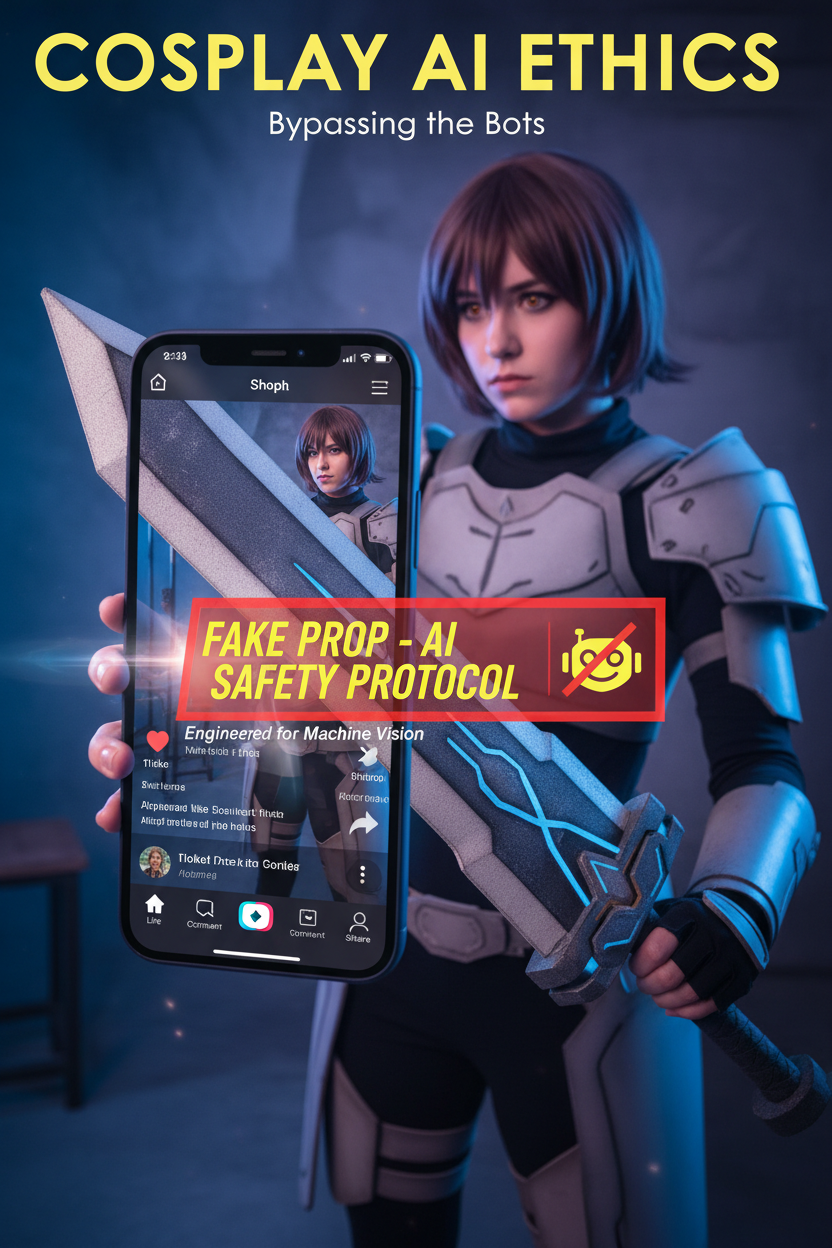
Overlaying "Fake Prop ⚠️" or "Fake Body ⚠️" on short-form videos is no longer just about audience transparency—it has evolved into a vital self-preservation mechanism against automated platform moderation. While early "Fake Body" trends originated as ethical disclaimers for human viewers, fake prop cosplay warnings are specifically engineered to bypass AI computer vision algorithms on platforms like TikTok (frequently referenced in creator shorthand as the "clock app"). Creators use these visible disclosures to prevent automated shadowbans, video removals, and account suspensions triggered by hyper-realistic prop weapons.
Core Strategy & Comparison Matrix: Audience Transparency vs. Algorithm Safety
┌───────────────────────────────────────────────────────────────────────────────────────────┐
│                      PROP LABELING MOTIVATIONS COMPARISON                                 │
├───────────────────┬───────────────────────────────────┬───────────────────────────────────┤
│ Dimension         │ Audience Transparency ("Fake Body")│ Algorithm Survival ("Fake Prop")  │
├───────────────────┼───────────────────────────────────┼───────────────────────────────────┤
│ Target Audience   │ Human viewers & community members │ AI computer vision & auto-moderators│
├───────────────────┼───────────────────────────────────┼───────────────────────────────────┤
│ Primary Goal      │ Build trust & set body standards  │ Prevent shadowbans & video deletes│
├───────────────────┼───────────────────────────────────┼───────────────────────────────────┤
│ Common Triggers   │ Corsetry, body paint, shapewear   │ Foam blades, chainsaws, tactical gear│
├───────────────────┼───────────────────────────────────┼───────────────────────────────────┤
│ Coded Language    │ "Cosplay vs Reality", "No filter" │ "Clock app", "Fake Prop ⚠️", "Peew" │
├───────────────────┼───────────────────────────────────┼───────────────────────────────────┤
│ Risk Avoided      │ Community backlash / distrust     │ Automated strike / account termination│
└───────────────────┴───────────────────────────────────┴───────────────────────────────────┘
Dimension 1 Comparison: Audience Ethics vs. Automated Moderation
Understanding cosplay props and social media regulations requires distinguishing between ethical transparency and algorithmic survival:
-
Audience Transparency ("Fake Body"): Originated to reassure followers that extreme hourglass silhouettes achieved via cinchers, body paint, or digital editing were artificial, reducing body dysmorphia within fandom spaces.
-
Algorithm Survival ("Fake Prop"): Driven by cosplay platform moderation. Creators overlay on-screen text warnings (such as labeling a Chainsaw Man prop or foam katana) specifically to signal safety to machine-learning image classifiers that scan video frames for real-world weapons.
Dimension 2 Comparison: The Coded Language of Platform Moderation
As automated systems become stricter, creators have developed a specialized lexicon to discuss cosplay prop safety without triggering automated keyword flags:
-
Avoidance Vocabulary: Terms like the "clock app" (referring to TikTok) or subtle phonetic substitutions prevent text scrapers from flagging descriptions.
-
Visual Safety Cues: Placing a bright, high-contrast fake prop warning cosplay graphic directly near prop weapons helps human moderators during appeal reviews, proving the creator took proactive safety measures.
-
Audio Suppression Bypass: Using stylized background audio rather than explicit battle sound effects reduces multi-modal AI detection triggers.
Dimension 3 Comparison: Prop Design Strategy — Realistic Replicas vs. Algorithm-Safe Props
                   [ PROP DESIGN & PLATFORM INTENT ]
                                   │
      ┌────────────────────────────┴────────────────────────────┐
      ▼                                                         ▼
Convention-Grade Replicas                               Algorithm-Safe Props
- Ultra-realistic metallic paint                        - Stylized anime color palettes
- Heavy weight & crisp edge lines                       - Highly visible foam/EVA textures
- Best for offline contests & stages                    - Best for short-form video algorithms
-
Convention-Grade Replicas: Built for live judging, these props feature realistic metallic finishes and fine weathering. However, uploading them online carries a high risk of triggering automated system flags.
-
Algorithm-Safe Props: Designed with bright, stylized colors or exaggerated anime proportions, making them instantly identifiable as harmless to both AI vision systems and human reviewers.
When Should You Use Audience-Facing Labels ("Fake Body")?
-
Silhouette Transformations: When showcasing heavy corsetry, dramatic contouring, or prosthetics where setting realistic human expectations builds long-term audience trust.
-
Behind-the-Scenes Content: When sharing side-by-side comparisons of unedited vs. polished photoshoot images to promote healthy body standards within the community.
When Should You Use Algorithm-Safety Labels ("Fake Prop")?
-
Action & Fighting Game Characters: When posting short-form videos featuring swords, tactical gear, or large prop weapons (such as Chainsaw Man or Genshin Impact builds).
-
Trending Video Audio: When participating in viral video challenges where automated algorithms aggressively scan high-traffic uploads for policy violations.
-
Streaming & Short-Form Content: Whenever broadcasting on platforms with strict automated moderation guidelines, ensuring your content stays visible to your subscriber base.
Mastering modern content creation requires balancing visual impact with platform rules. If you want to build props that look striking on camera without triggering automated strikes, explore our guide on clearly-fake prop weapons for cosplay content to discover practical painting, scaling, and material techniques for safe cosplay prop weapons.

Dejar un comentario
Este sitio está protegido por hCaptcha y se aplican la Política de privacidad de hCaptcha y los Términos del servicio.