Table of Contents
Chapter 1: Core Concepts & Material Fundamentals
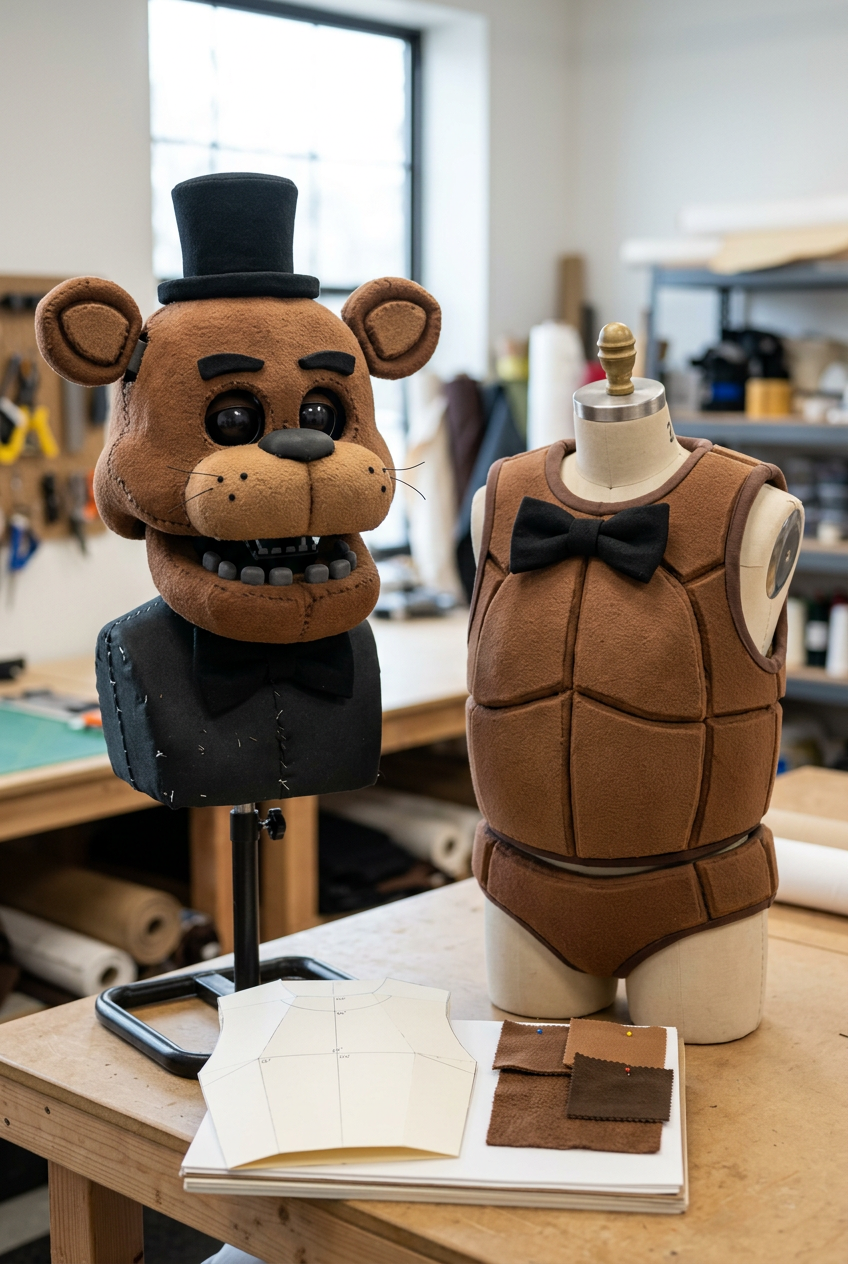
As the Five Nights at Freddy’s (FNAF) universe continues expanding across video games and cinematic releases, maker community interest in crafting physical builds has grown steadily. Crafting FNAF animatronic costumes requires combining digital software precision with hands-on material sculpting.
Grounded in costume design literature and prop fabrication methodology, reproducing large robotic characters requires translating boxy, mechanical silhouettes onto human proportions without sacrificing wearer safety or vision. Because standard store-bought outfits rely on basic printed fabric jumpsuits, prop makers turn to Pepakura cosplay patterns and EVA foam animatronic costume construction to achieve authentic, hard-shell animatronic armor for characters like Freddy Fazbear, Toy Bonnie, and Circus Baby.
Chapter 2: Core Strategy & Step-by-Step Fabrication Framework
Direct Answer: Building a Five Nights at Freddy's cosplay involves a multi-stage workflow: unfolding 3D digital models into 2D templates with Pepakura Designer, transferring paper patterns onto high-density EVA foam, cutting and beveling edges, and assembling panels with contact cement.
                     +---------------------------------------+
                     | FNAF ANIMATRONIC BUILD PIPELINE       |
                     +---------------------------------------+
                                         |
               +-------------------------+-------------------------+
               v                                                   v
  [ 1. Pepakura Blueprinting ]                           [ 2. EVA Foam Cutting & Sizing ]
  - Scale 3D models to body measurements                 - Trace templates onto 5mm-10mm foam
  - Print & cut 2D paper patterns                        - Cut cleanly at 90-degree angle
               |                                                   |
               +-------------------------+-------------------------+
                                         v
                     +---------------------------------------+
                     | 3. Assembly & Surface Sealing         |
                     - Bond edges with contact cement        |
                     - Heat-shape & prime with flexible spray|
                     +---------------------------------------+
Strategic Fabrication Workflow
-
Digital Blueprinting and Scaling: Import 3D character models into Pepakura Designer software to adjust height, chest width, and head circumference for your exact body measurements before printing paper templates.
-
Foam Selection and Cutting: Use 10mm high-density EVA foam for load-bearing torso structures and 5mm foam for detailed facial plates and flexible joints. Cut all pattern lines carefully using a razor knife at clean 90-degree angles to ensure tight seam alignment.
-
Exploring Community Patterns: Learning how to make a FNAF animatronic costume with EVA foam is easier when studying community projects, such as preparing a DIY Toy Bonnie costume using Pepakura templates or following guides on how to build a Circus Baby cosplay costume to turn complex digital shapes into real-world builds.
Chapter 3: Advanced Engineering & Case Studies
Direct Answer: Following an advanced Five Nights at Freddy's animatronic costume tutorial 2026 focuses on mounting heavy animatronic heads to internal hardhat suspension rigs, adding mesh vision ports, and sealing foam with flexible primers before applying acrylic paint.
Advanced Fabrication and Finishing
-
Weight Distribution and Harnessing: Oversized animatronic mascot heads put heavy strain on the neck. Mount internal hardhat suspensions or aluminum backpack frames inside the mask cavity to transfer weight directly onto your shoulders and torso.
-
Ventilation and Vision Ports: Never rely exclusively on small animatronic eye sockets for room navigation. Integrate hidden black mesh panels inside dark jaw seams or character snouts to maintain downward visibility and airflow during events.
-
Surface Priming and Paint Sealing: Unsealed foam absorbs paint quickly, leading to surface cracking when flexed. Apply 3 to 4 coats of flexible rubber primer (such as Plasti Dip or FlexBond) before spraying acrylic metallic coats or applying realistic weathering details. Stock your workshop by sourcing EVA foam cosplay materials and Pepakura costume supplies.
Chapter 4: Essential Workshop Tooling & Sourcing Directory
To build a durable, convention-safe animatronic suit, gather these essential workshop tools:
-
Digital & Patterning Tools: Pepakura Designer software, desktop printer, cardstock paper, snap-off utility knives, and a self-healing cutting mat.
-
Adhesives & Heat Tools: Contact cement (used with proper ventilation and respirators), temperature-controlled heat gun, and high-temp hot glue.
-
Structural Hardware: PVC pipe framing, nylon webbing straps, quick-release side buckles, and internal hardhat liners.
-
Material Supplies: High-density EVA foam sheets (2mm to 10mm thickness), flexible spray primers, and acrylic paints.
Frequently Asked Questions (FAQ)
-
Q: What is Pepakura and how does it help build FNAF costumes?
-
A: Pepakura is software that converts 3D digital character models into 2D printable paper patterns. Cosplayers trace these paper patterns onto EVA foam sheets to build accurate armor pieces.
-
-
Q: How do I prevent a large animatronic mask from slipping while walking?
-
A: Install an adjustable hardhat liner or chin-strap suspension system inside the mask cavity to lock the headpiece securely to your skull.
-
-
Q: Which foam glue works best for assembling FNAF animatronic suits?
-
A: Contact cement provides the strongest, most flexible bond for EVA foam seams. Apply a thin coat to both mating edges, let it dry until tacky, and press the seams together firmly in a well-ventilated space.
-
Conclusion & Related Resources
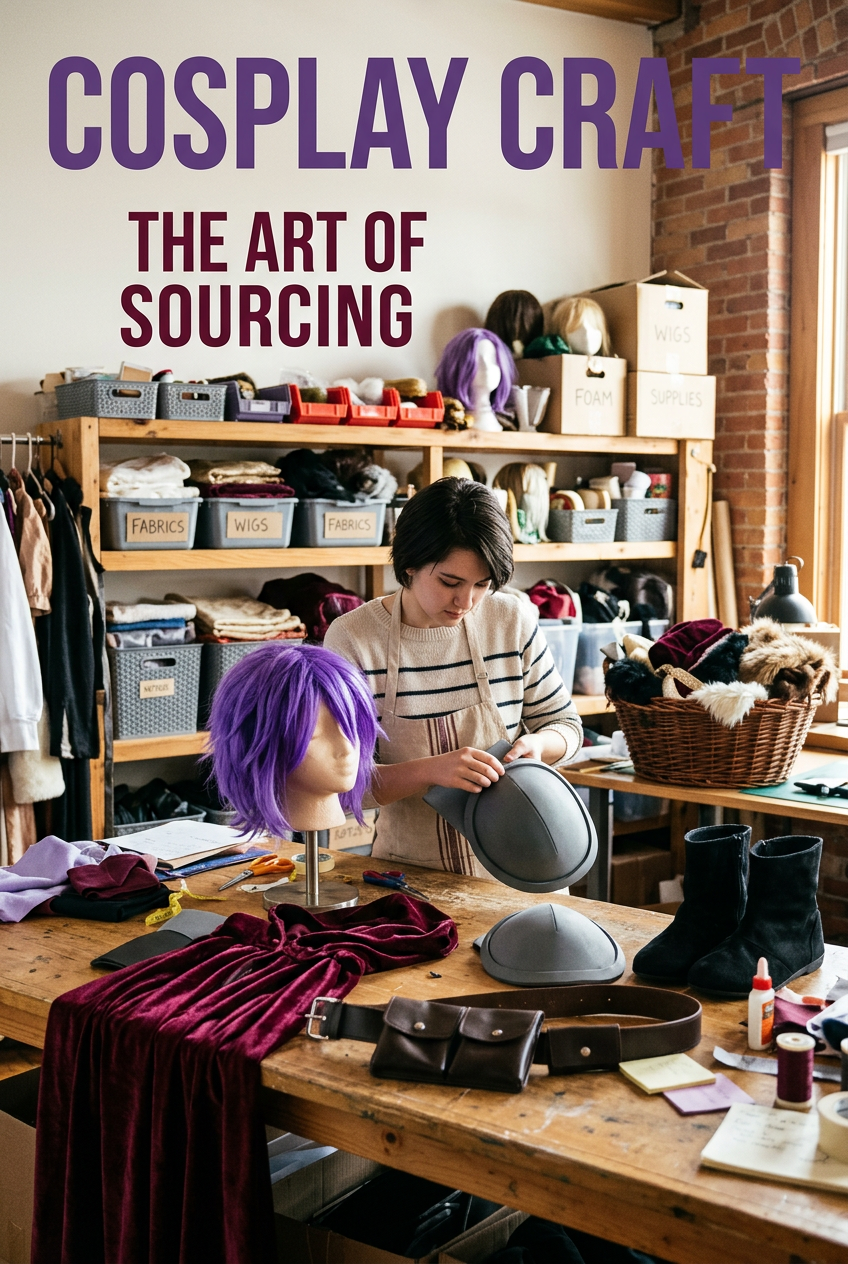
Building FNAF animatronic costumes using Pepakura patterns and EVA foam gives prop makers total control over scale, detail, and durability. By combining digital scaling, solid internal weight distribution, and flexible surface priming, you can transform Fazbear Entertainment's iconic characters into impressive convention builds. Prepare your workshop today with our curated EVA foam cosplay materials and Pepakura costume supplies!

Dejar un comentario
Este sitio está protegido por hCaptcha y se aplican la Política de privacidad de hCaptcha y los Términos del servicio.