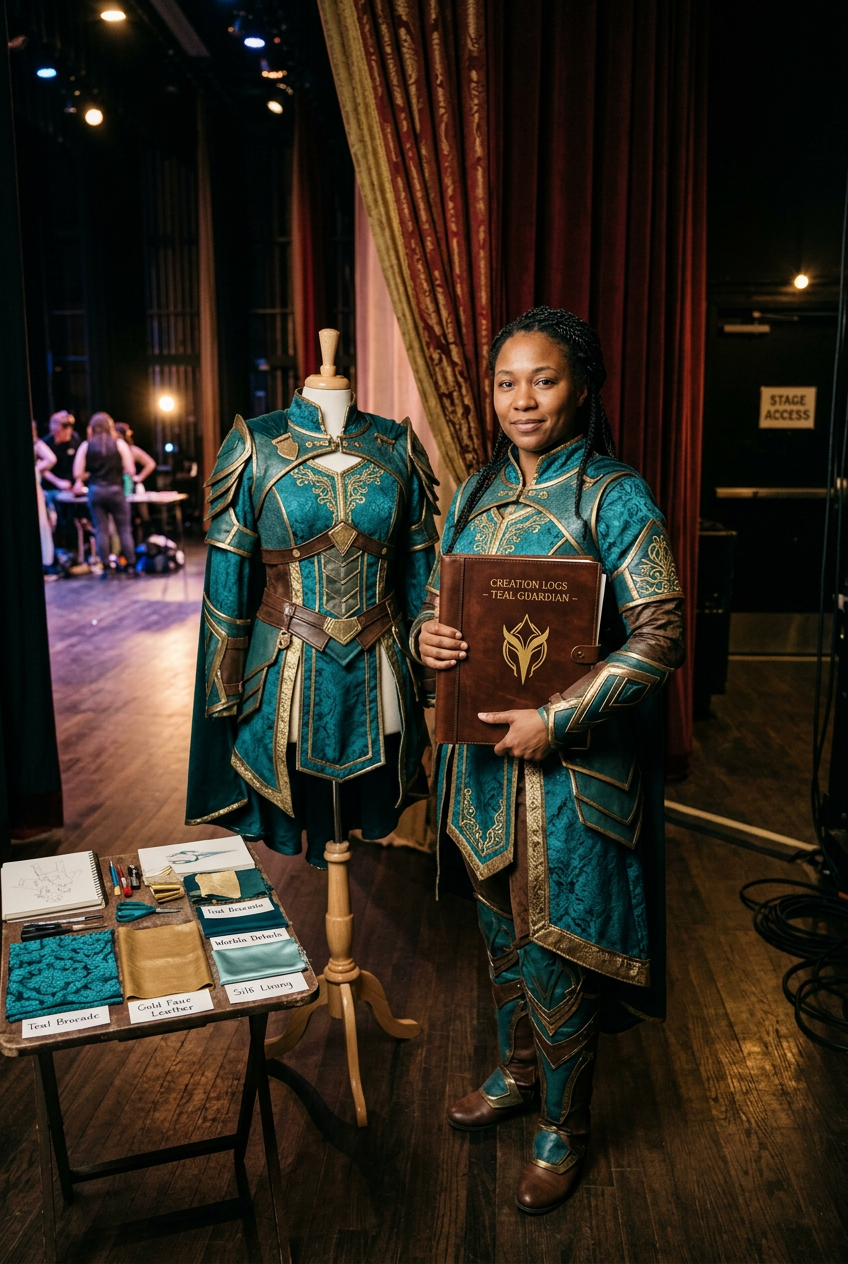
 Stepping onto a convention stage to showcase months of hard craftsmanship is one of the most rewarding experiences in fan culture. However, navigating competition guidelines can be complex. Understanding the fine print behind competition eligibility, skill divisions, and cultural event missions is essential for every maker.
TL;DR / Quick Summary
-
Know Before You Register: Entering a cosplay contest requires reading all published guidelines, including skill division caps, percentage-built requirements, and the event's cultural mission statement.
-
Ethics & Mission Alignment: Community-focused events celebrate specific underrepresented groups. While rules may legally permit open registration, respectful participants evaluate whether their entry aligns with the spirit of the event.
-
Preparation Is Key: Bring thorough documentation binders, stick to stage time limits, and source high-quality cosplay contest costume supplies to ensure smooth off-stage craftsmanship judging.
Deep Dive: Why Reading Competition Rules Matters (Lessons from Blerdcon)
Direct Answer: Thoroughly reviewing contest guidelines prevents miscommunication, ensures fair scoring across craftsmanship skill tiers, and maintains respect for culturally focused convention missions.
The necessity of clear cosplay contest rules gained national attention following the Blerdcon cosplay controversy. At an event established specifically to highlight and uplift Black geek culture, the top contest award was initially presented to a non-minority contestant. The resulting community outcry highlighted a crucial gap between raw technical judging criteria and an event's overarching cultural purpose.
This milestone moment shifted how convention organizers and participants approach competitions:
-
Explicit Eligibility Language: Organizers increasingly clarify whether a contest focuses purely on open craftsmanship scoring or incorporates community representation into award categories.
-
Judge Orientation Protocols: Panel judges are briefed not only on seam finishing and prop sanding but also on how award selections reflect the host event's community goals.
-
Contestant Self-Auditing: Participants are encouraged to evaluate whether competing in specialized or affinity-focused events aligns with good cosplay contest etiquette.
Key Elements: 3 Essential Checkpoints Before Entering a Cosplay Contest
Before submitting your entry form for any convention masquerade or craftsmanship show, evaluate these three core areas:
1. Skill Division Restrictions & Build Percentages
Most major contests enforce strict division tiers to keep competition fair:
-
Novice / Beginner: Designed for makers who have never won a major award or whose costume is at least 50% hand-crafted.
-
Journeyman: Intended for intermediate builders who have won 1–3 minor awards or whose build is at least 70% self-made.
-
Master / Professional: Reserved for veteran creators, industry professionals, or makers whose entries are 85%+ hand-fabricated.
2. Craftsmanship Judging Criteria vs. Stage Performance
Off-stage pre-judging evaluates technical skill under bright lights. Judges inspect stitching neatness, edge-sealing on EVA foam armor, lining finishing, and material choices. Review the event's published cosplay judging criteria to know whether scorecards favor technical sewing, armor fabrication, or stage performance.
3. Build Documentation & Portfolio Preparation
Judges have only 3 to 5 minutes per entry during pre-judging. Presenting a clean, color-printed build binder detailing your fabrication process—including raw material photos, pattern drafting notes, and progress shots—helps judges verify your work and award points accurately.
Common Pitfalls & Contest Disqualification Risks
-
Sandbagging Skill Tiers: Entering a Novice category with a Master-level build or hiding past contest wins violates community ethics and usually results in immediate disqualification.
-
Ignoring Pre-Bought Percentage Caps: Most competitive craftsmanship tracks require at least 60% to 80% of the costume to be made from scratch by the entrant. Entering a fully commissioned or store-bought outfit in a craftsmanship category breaks contest rules.
-
Arriving Without Backstage Repair Tools: High-tension seams and armor straps can snap during waiting periods. Keep your workspace stocked with essential cosplay contest costume supplies—such as quick-dry contact cement, double-sided garment tape, extra safety pins, and touch-up paint—to fix last-minute mishaps before walking on stage.
Conclusion & Extended Reading
Navigating stage competitions with confidence comes down to preparation, transparent documentation, and respect for event rules and community values. By carefully reviewing contest guidelines, selecting the correct skill tier, and bringing a detailed build book, you set yourself up for a successful competition experience. Explore our catalog of professional cosplay contest costume supplies to elevate your next competition build!

Dejar un comentario
Este sitio está protegido por hCaptcha y se aplican la Política de privacidad de hCaptcha y los Términos del servicio.