💡 Systemic Briefing:
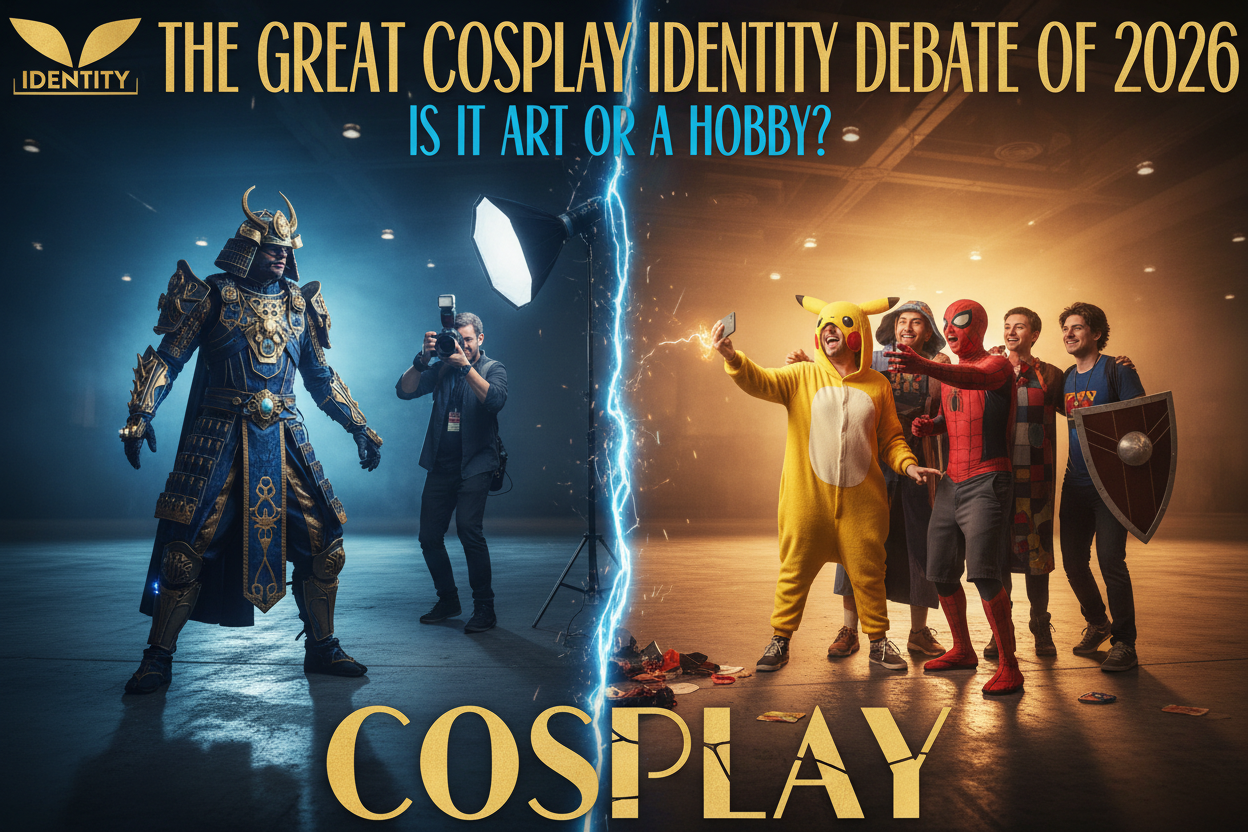
The global cosplay community has arrived at its most fundamental existential crossroads. For decades, the subculture thrived under a universally accepted, dual-purpose definition: it was a space where making a costume and playing a character coexisted peacefully. Today, however, that harmony has fractured into a defining ideological conflict: Cosplay as Art vs. Cosplay as Hobby. Driven by the intense professionalization of the medium and shifting definitions within performance art and hobby culture, the community is deeply divided. One side views cosplay as a rigorous, transformative discipline demanding high-end craftsmanship and deep narrative interpretation. The other fiercely defends it as a casual, democratic sanctuary meant purely for personal joy and community connection. This debate challenges the very definition of what it means to step into a character's skin.
1. Core Character IP Analyses: The Battlegrounds of Purpose
To contextualize this debate, we must analyze four massive global properties that attract completely different philosophies of creation, presentation, and subcultural intent.
🎭 Mona Megistus cosplay costume (Genshin Impact)
-
The Hobbyist Sanctuary: As one of the original, beloved characters from Genshin Impact, Mona has long been a favorite for casual fans. Wearing a standard, mass-produced version of her standard witch outfit allows players to step away from their screens and instantly connect with thousands of like-minded fans at local conventions, celebrating their shared love for the game through relaxed roleplay and spontaneous meetups.
-
The Artistic Escalation: Conversely, Mona's highly complex fantasy design has become a major battleground for elite craftsmanship championships. Master creators treat a Mona Megistus cosplay costume as an intense tailoring project, utilizing luxury heavy brocades, hand-woven metallic trim, and custom resin-cast prop accessories. For these artists, her costume is a monument to physical problem-solving and textile manipulation, creating a stark cultural divide between those who wear it to celebrate a game and those who wear it to exhibit flawless craftsmanship.
🎭 Frieren cosplay costume (Frieren: Beyond Journey's End)
-
The Hobbyist Sanctuary: Frieren is an absolute "meme machine" within modern fandom culture. Casual and daily-style cosplayers need nothing more than her signature simple white tunic, a basic silver wig, and a cheap props kit to have an absolute blast. The goal here is pure, lighthearted character experience—such as crawling into a cardboard box styled as a Mimic monster and letting friends drag you out by your feet for a viral photo.
-
The Artistic Escalation: For elite practitioners, particularly those specializing in theatrical performance art, Frieren represents a masterclass in psychological interpretation. The challenge is not the complexity of the fabric, but projecting her immense canonical depth—the quiet, heavy melancholy of an immortal elf navigating the brief lifetimes of her human companions. The art faction focuses intensely on cinematic photography, narrative-driven pacing, and emotional expression to capture her deep inner lore.
🎭 Spider-Man cosplay costume (Marvel / Spider-Verse)
-
The Hobbyist Sanctuary: Spider-Man represents the ultimate democratization of hobby culture. The phrase "Anyone can wear the mask" acts as the ultimate inclusive boundary. Whether a fan is wearing a cheap, mass-produced spandex bodysuit, a casual hoodie over a mask, or a thrift-store version, the threshold to join the fandom is beautifully non-existent. Casual groups gather purely for the joyful camaraderie of re-enacting iconic internet memes on the exhibition floor.
-
The Artistic Escalation: For the artistic vanguard, a Spider-Man cosplay costume is treated as a premium canvas for visual and graphic experimentation. Master creators spend hundreds of hours hand-painting custom 2.5D comic-book halftone patterns directly onto technical fabrics, weathering garments to match gritty cinematic tones, or engineering mechanical web-shooter props. They view the suit not as a ready-made costume, but as a living piece of pop-art sculpture that challenges the boundaries of human anatomy.
🎭 Mai Sakurajima cosplay costume (Rascal Does Not Dream)
-
The Hobbyist Sanctuary: For casual hobbyists, Mai Sakurajima offers a highly accessible, comforting sanctuary. By stepping away from the stress of her high-maintenance bunny girl outfit, fans can easily put together her iconic school uniform look. A simple beige knit sweater vest, a gray pleated skirt, a neat white collared shirt, and her unmistakable purple bunny hairclip create a low-stress, highly recognizable ensemble built for absolute comfort and community socialization.
-
The Artistic Escalation: In contrast, high-tier creators approach Mai through the lens of meticulous lifestyle fashion curation. They reject generic costume-store fabric sets, opting instead for high-end tailoring, wool-blend uniform fabrics, and precise garment geometry that looks like it stepped straight off a professional live-action film set. They use these curated pieces to explore character psychology—focusing on her complex history as an isolated actress struggling against public invisibility, treating the performance as a piece of grounded, slice-of-life realism.
⚖️ 2. The Ideological Split: Performance Art vs. Hobby Culture
The core conflict within the 2026 cosplay landscape divides the community down a clear psychological and philosophical line regarding the ultimate goal of the subculture:
[ THE ART FACTION: PERFORMANCE ART ]
Premium Craftsmanship ──► Deep Lore Interpretation ──► "Exhibition & Expression" (High Pressure)

[ THE HOBBY FACTION: HOBBY CULTURE ]
Accessible Materials ──► Community Socialization ──► "Play & Carefree Fun" (Low Pressure)
-
The "Cosplay is Art" Perspective: This camp argues that the modern maturity of the medium places it firmly alongside recognized creative fields like fashion design, special effects makeup, and avant-garde theater. They believe that reducing a project that required hundreds of hours of manual labor, 3D printing, and intense color theory to "just a casual hobby" actively diminishes the immense discipline, skill, and creative empowerment required to bring a 2D design into physical reality.
-
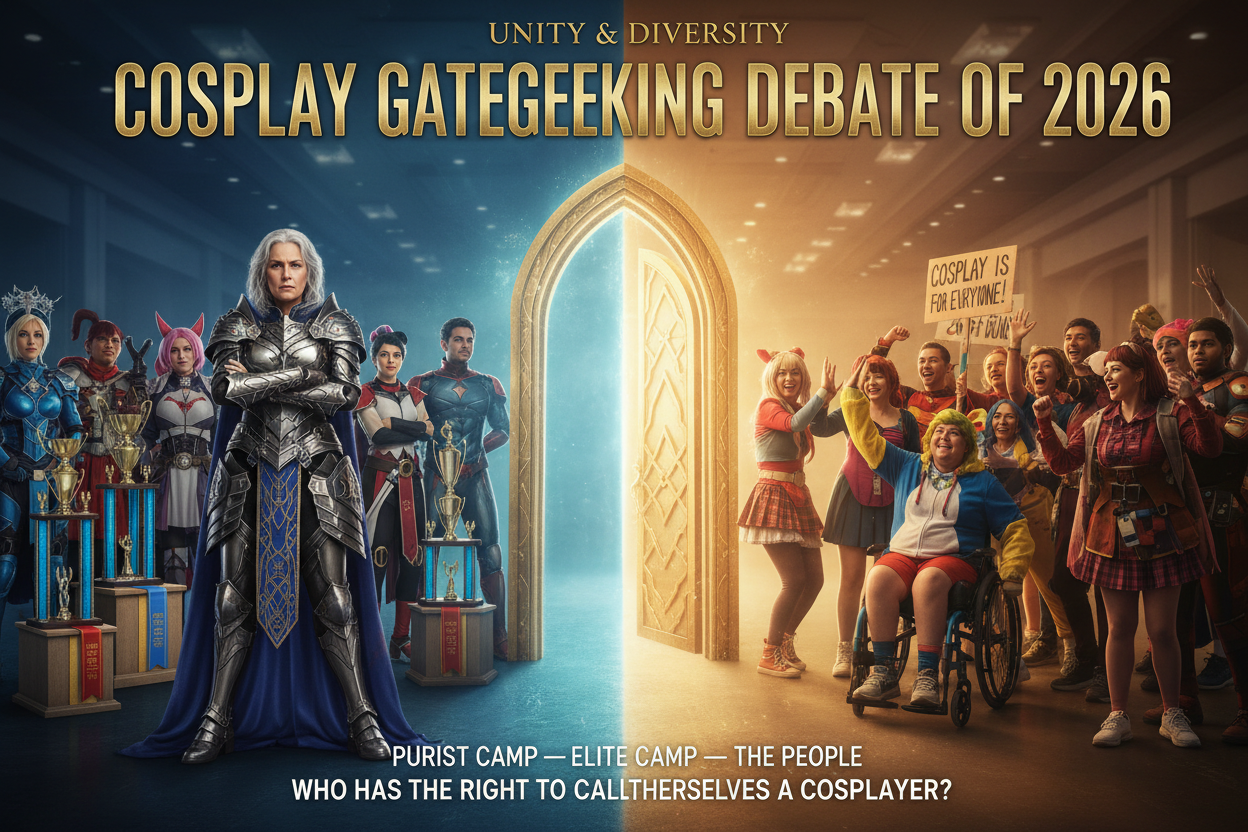
The "Cosplay is a Hobby" Perspective: Conversely, traditionalists and casual purists express deep concern that the aggressive professionalization of the space is killing its soul. They argue that when cosplay is treated strictly as an elite, hyper-polished art form, it introduces toxic perfectionism and financial gatekeeping. They fight to protect cosplay as an open, judgment-free playground where the only metric that matters is the simple, unfiltered joy of celebrating a franchise you love.
🪞 3. Defining the Spectrum: Mimicry, Interpretation, and Expression
The complexity of the debate is rooted in the fact that cosplay natively encompasses three entirely different tiers of expression, which often overlap on the convention floor:
-
Visual Mimicry (The Foundation): The technical act of replicating a character’s physical appearance through clothing, wigs, and basic colors.
-
Character Interpretation (The Bridge): Adapting a 2D or digital design to fit real-world human proportions, selecting specific fabric weights, and choosing cosmetics that reflect the character's canonical background.
-
Performance Expression (The Apex): Fully embodying the character's psychology, posture, and emotional state during public interactions or professional photography sessions.
Because different participants prioritize different tiers along this spectrum, conflicts naturally arise when an individual focusing entirely on casual visual mimicry is judged by the strict, demanding standards of high-end performance expression.
📊 4. The Supply Chain Registry: Designing for the Artist and the Hobbyist
This deep philosophical divide has forced e-commerce platforms and global manufacturing factories to split their product development pipelines into two entirely separate structural tiers to satisfy both sides of the market:
| Target Character Node | The Hobbyist Demand (Casual Comfort) | The Artistic Demand (Exhibition Ready) | 2026 Supply Chain Standard | E-Commerce Strategy Shift |
|
Mona Megistus (Genshin Impact) |
One-piece, easy-fastening zip body suits that eliminate the stress of handling multiple delicate layers. | Intricate multi-layered heavy brocades, hand-woven gold trim, and fully detachable 3D-printed resin star accessories. | Modular structural design where heavy ornamental pieces attach via hidden, high-strength magnetic snapping points. | Sell highly detailed, modular accessory kits completely separately from the lightweight base fabric bodysuit. |
|
Frieren (Frieren) |
Highly flexible, lightweight, machine-washable cotton blends for casual con-going and comedic prop skits. | Screen-accurate heavy linen drapes, hand-carved wooden staff props, and high-fidelity custom latex ear appliances. | Production of flexible, soft-wear ears and dual-tier garment lining separating "Easy Wear" from "Historical Drama" weights. | Bundle costumes with interactive comedic props (like plush Mimics) alongside serious, high-end display armor pieces. |
|
Spider-Man (Marvel) |
Affordable, highly breathable stretch spandex zip-ups that can be washed easily after a busy weekend. | Textured, muscle-shaded dye-sublimation prints, custom rubberized web linings, and electronic mechanical lenses. | Implementation of high-stretch, non-sag compression textiles that retain complex surface graphics when stretched. | Offer separate "Con-Comfort Base" and "Hyper-Textured Masterwork" tiers on identical suit character listings. |
|
Mai Sakurajima (Bunny Girl Senpai) |
One-size-fits-all preppy school uniform sets that double easily as everyday academic or casual wear. | Tailored wool-blend blazers, couture-grade custom pattern silhouettes, and high-durability hand-polished resin clips. | Integration of real-world premium apparel manufacturing guidelines into entry-level subcultural fashion catalogs. | Shift away from costume-grade synthetics; market high-grade apparel lines as functional "lifestyle academia" pieces. |
❓ 5. Frequently Asked Questions (FAQ)
-
Q: Can a cosplayer be both an artist and a casual hobbyist at the same time?
-
A: Absolutely. In fact, many of the most celebrated creators in 2026 actively balance their portfolios by alternating between the two philosophies. A creator might spend six months engineering a massive, high-stress build for an international art exhibition, and then attend their next local convention in a comfortable, thrifted closet cosplay just to relax, socialize, and remember the pure, stress-free joy that made them fall in love with the subculture in the first place.
-
-
Q: How can casual hobbyists protect their spaces from feeling overshadowed by high-production art trends?
-
A: The key is to shift focus away from digital metrics and return to localized, face-to-face community building. While social media algorithms naturally favor hyper-polished, professional-grade visual transformations, real-world convention meetups, private fan gatherings, and casual roleplay circles remain intensely welcoming environments where character passion, humor, and community camaraderie are valued far above technical craftsmanship or budget.
-
-
Q: Is the rise of the "Cosplay as Art" movement driving up the cost of entering the hobby for beginners?
-
A: While it has created a premium tier of highly expensive, luxury-grade garments and specialized tools, it has simultaneously triggered a massive wave of innovation in accessible crafting. The professional movement has forced manufacturers to lower the costs of high-quality tools like 3D printing filaments, high-density EVA foams, and specialized cosmetic lines. This means that while the standard for elite art has risen, a beginner in 2026 actually has access to better, cheaper, and easier-to-use materials than any generation before them.
-
🎯 Conclusion: The Beautiful Duality of the Subculture
Ultimately, the passionate debate between cosplay as an art form and cosplay as a hobby is not a destructive conflict, but a testament to the incredible health and diversity of the medium in 2026. Cosplay is unique precisely because it refuses to be confined to a single definition. It is wide enough to be a sophisticated, transformative stage for a master artisan, and simultaneously deep enough to be a joyful, welcoming home for a fan who simply wants to dress up as their favorite character for a day. By embracing both the precision of the stage and the freedom of the play, the global community ensures that cosplay remains a vibrant, evolving sanctuary for everyone.

Dejar un comentario
Este sitio está protegido por hCaptcha y se aplican la Política de privacidad de hCaptcha y los Términos del servicio.