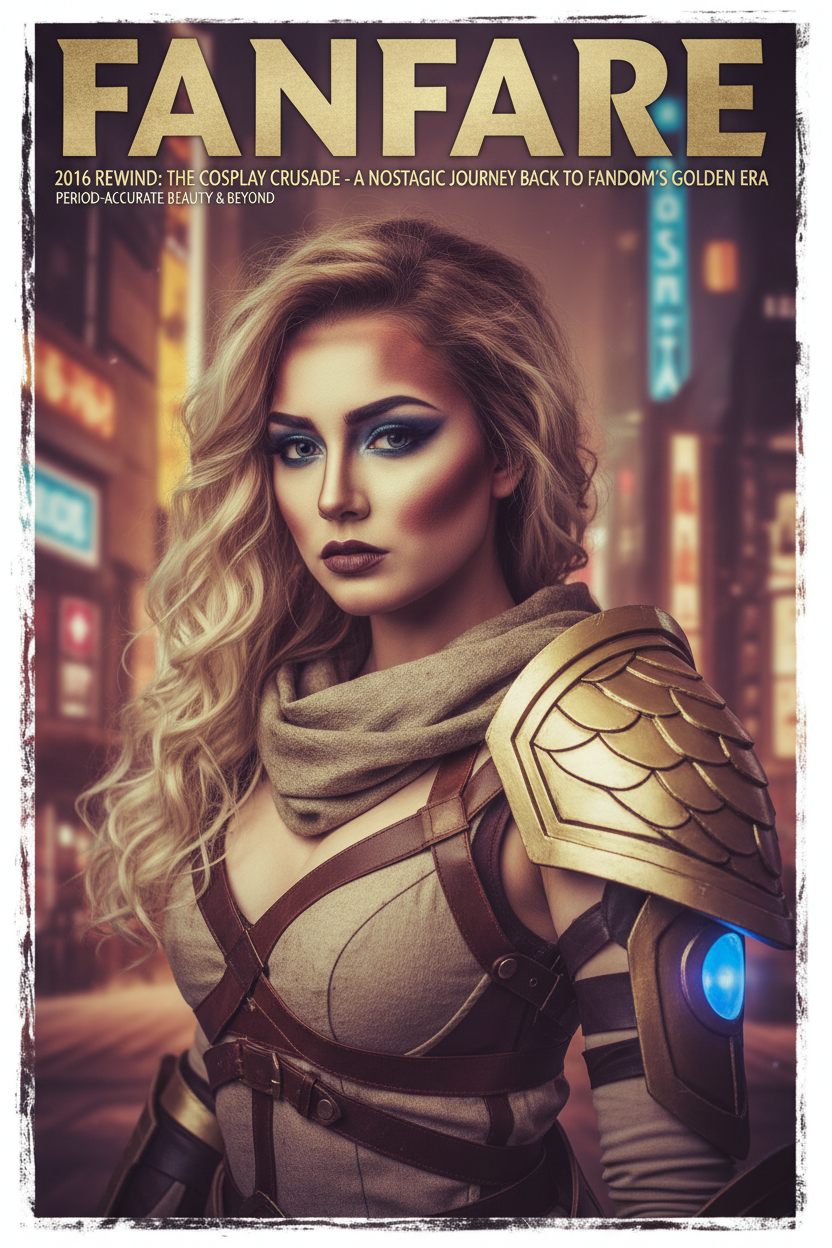
2016 coded cosplay is quietly becoming one of the most useful styling frameworks in the hobby right now, and the appeal is practical, not just nostalgic: instead of needing a character everyone already recognizes, you're building a mood everyone already remembers. A strong mid-2010s aesthetic reads instantly — "I remember exactly where I saw this" — regardless of whether the viewer knows the specific character underneath it. This guide walks through how to build that aesthetic onto any character in a single weekend, using visual cues, product choices, and photo treatment that all reinforce the same era-specific mood.
What you'll need before you start:
- A handful of reference images actually from 2014–2017 (not modern content styled to look retro — genuine period references keep your cues accurate)
- A character you already want to cosplay, old or new — this framework layers on top of any character choice
- Makeup products suited to a slightly heavier, more dramatic mid-2010s look (more on specifics in Step 2)
- A wig with texture and volume rather than a sleek, hyper-polished modern finish
- A basic photo editing app capable of applying a filter or color grade, for the final period-accurate touch in Step 3
Step 1: Identify the Specific Visual Cues That Actually Read as "2016"
Before touching makeup or wardrobe, spend time studying genuine reference images from the era rather than working from vague memory — "2016 coded" only works as a retro cosplay aesthetic if the specific details are accurate, not just generally old-feeling.
A handful of visual cues consistently show up across mid-2010s beauty and fashion content: heavier, more sharply defined contouring than current trends favor, bold and precisely lined brows, a slightly more saturated and less "your-skin-but-better" approach to base makeup, and hairstyles with more volume and visible texture rather than the sleek, laminated finish popular today. On the wardrobe side, look for silhouettes and color combinations that were genuinely common then rather than assuming any bold choice automatically reads as period-accurate — specificity is what sells this aesthetic, not just general boldness.
It's worth building a small personal reference board (a folder of saved images works fine) rather than relying on a single inspiration photo. Looking across multiple genuine examples helps you spot the details that repeat consistently — those are the cues actually worth replicating — versus one-off styling choices that were specific to a single photo rather than representative of the broader era.
Step 2: Translate Those Cues Onto Your Chosen Character
This is the step that makes the framework genuinely useful: you're not abandoning your character choice, you're layering a nostalgic cosplay treatment on top of it, the same way you'd apply any other stylistic filter to a build.
Start with makeup, since it carries the most weight in signaling the era. Take your character's actual color palette (eye color, signature makeup elements if they have any) and execute it using mid-2010s techniques rather than current ones — heavier contour placement, more defined brow shape, and a slightly bolder lip or eye focus than a softer modern approach would use. The character's identity stays intact; the execution style is what shifts.
Wig choice matters just as much here as it does for any standard character build, but the priority shifts slightly. Rather than chasing the sleekest, most flawlessly styled version of your character's hair color, a wig with more natural volume and visible texture reads as more period-accurate — mid-2010s hairstyling favored fuller, more voluminous silhouettes over the ultra-smooth finishes popular now. Browsing a throwback-style cosplay wigs collection built specifically with that fuller, less hyper-polished texture in mind saves you from having to heavily modify a modern-cut wig to get the right period feel.
For the makeup itself, using products actually formulated for a bolder, more defined application — rather than trying to force a soft, blended modern palette into a sharper look it wasn't designed for — makes a noticeable difference in how convincingly the final result reads. A retro cosplay makeup essentials set built around exactly this kind of defined contouring and bold linework gets you there faster than improvising with products designed for today's softer techniques.
Wardrobe is the most flexible part of this translation — you don't need to fully rebuild your character's outfit, just make small styling choices (silhouette adjustments, color pairing, accessory density) that lean toward what was common in the era, without losing what makes the character recognizable underneath the aesthetic treatment.
Step 3: Shoot and Edit With Period-Accurate Photo Treatment
The final step is where a lot of the "2016 coded" magic actually lands, and it's the one people skip most often: the photo treatment itself carries a huge part of the era signal, independent of makeup and wardrobe.
Mid-2010s photo and video content had a distinct visual quality — slightly different color grading, filter styles, and even camera/phone quality characteristics than what's standard now. Applying a filter or color grade that mimics this — often warmer or slightly desaturated compared to today's crisper, higher-contrast default look — does a surprising amount of work in selling the era, sometimes even more than the makeup and wardrobe choices themselves.
If you're editing for a photo rather than video, look for filter presets specifically built around 2010s cosplay trends and throwback aesthetics rather than a generic vintage filter — genuine period color grading has specific characteristics (particular warmth, particular contrast level) that a broad "old photo" filter often misses. Testing a few different presets against your actual shot, rather than assuming any retro-labeled filter will work, is worth the extra few minutes.
Composition matters too — mid-2010s content often favored slightly different framing conventions than current trends (a specific selfie angle, a particular way of cropping full-body shots) that are worth studying from your reference collection alongside the makeup and wardrobe cues from Step 1.
Troubleshooting: Common "2016-Coded" Cosplay Pitfalls
"My look feels generically 'old' rather than specifically 2016." This usually means the reference research in Step 1 wasn't specific enough. Go back to genuine period sources rather than working from vague memory or modern content that's only loosely styled as retro — specificity in the details (exact brow shape, exact contour placement) is what separates a convincingly period-accurate look from a generic "vintage-ish" one.
"The makeup looks heavier than I'm used to and I'm not confident it's right." This is often actually correct rather than a mistake — mid-2010s makeup trends genuinely leaned more dramatic and defined than current soft, "your skin but better" trends. If it feels bold compared to your usual approach, that's frequently a sign you're on the right track rather than overdoing it, provided it matches your actual reference images rather than exceeding them.
"My wig looks too smooth and doesn't match the vibe." A sleek, hyper-polished modern wig style works against this specific aesthetic. If you're working with a wig that's cut for a current, ultra-smooth look, adding volume and texture through backcombing or a texturizing product before your shoot can help bridge the gap, though starting from a wig built with more natural volume saves you this extra styling step.
"The photo still looks too 'now' even with a filter applied." This is almost always a composition and lighting issue rather than a filter problem. Check whether your framing, angle, and lighting setup match your reference images, since a period-accurate filter applied to a distinctly modern composition and lighting style won't fully sell the era on its own — the filter is a finishing touch, not a substitute for matching the underlying photo style.
"I'm not sure this aesthetic actually fits my character." Not every character translates equally well — characters with very simple, versatile designs tend to layer onto this aesthetic more easily than characters with extremely specific, modern-coded visual signatures that would clash with a retro treatment. If a build feels like it's fighting the aesthetic rather than working with it, it's worth testing the framework on a different character first to build confidence with the technique.
Next Steps
Once you've built one 2016 coded cosplay look, the framework becomes much easier to apply to future builds — you'll have a working understanding of the specific makeup, hair, and photo cues that read as period-accurate, which transfers directly to any future character you want to give the same treatment.
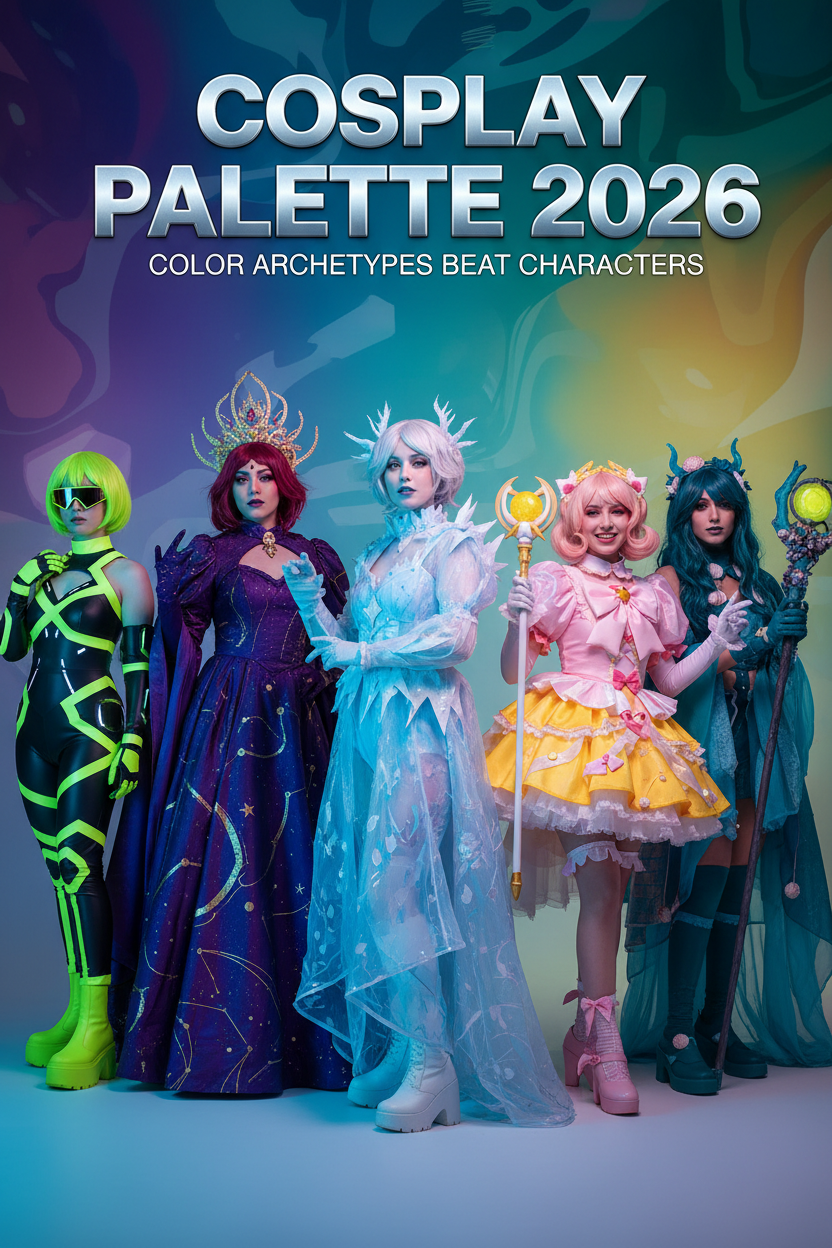
This approach pairs naturally with palette-and-archetype-based cosplay thinking as well — both represent the same underlying shift toward building a recognizable mood rather than relying entirely on a specific, currently-trending character reference. If you found this framework useful, it's worth exploring how a strong color story can carry a look the same way a strong era signal does, since the two techniques work well together and can be combined in a single build for an even more distinctive result.

Hinterlasse einen Kommentar
Diese Website ist durch hCaptcha geschützt und es gelten die allgemeinen Geschäftsbedingungen und Datenschutzbestimmungen von hCaptcha.