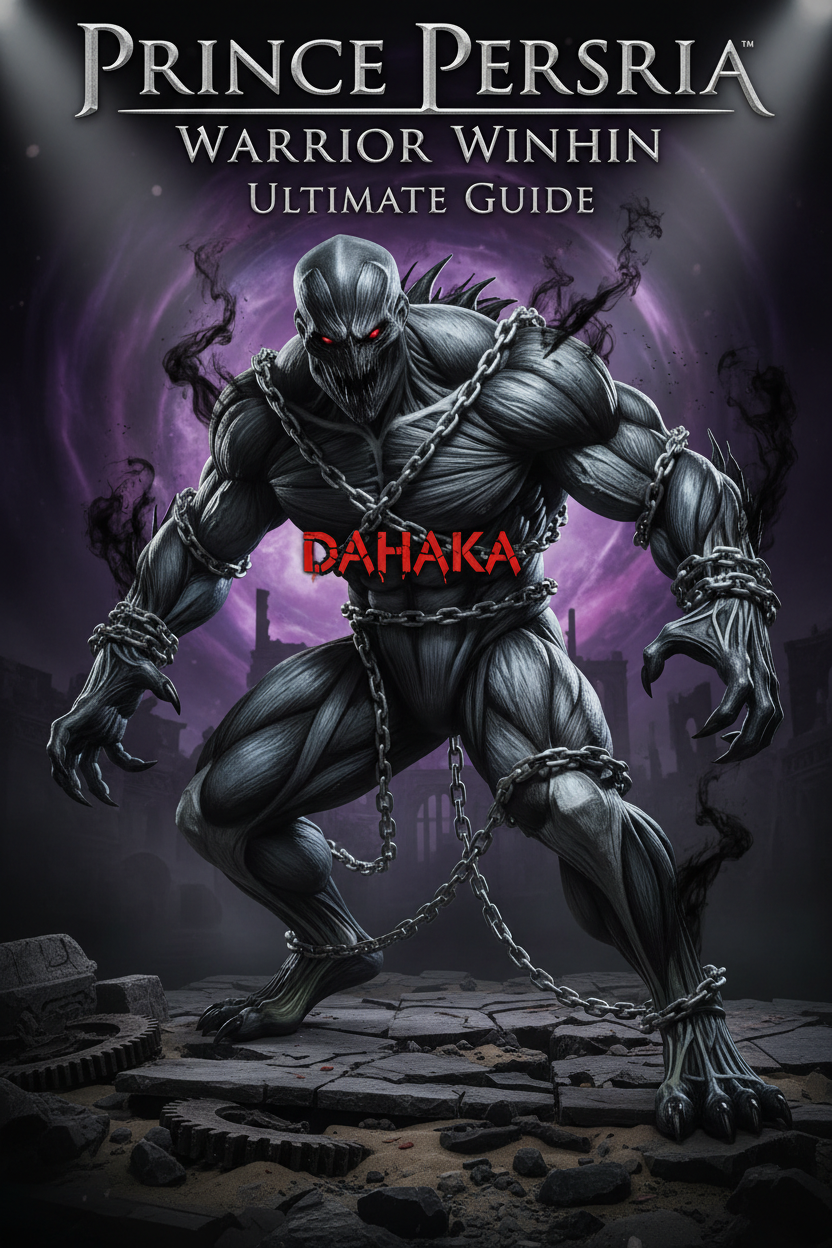
Creating a Dahaka cosplay from Prince of Persia: Warrior Within represents one of the most demanding technical challenges in modern cosplay fabrication. Unlike stylized armor or cloth garments, depicting the Guardian of the Timeline requires mastering anatomic foam sculpting, seamless prosthetics, airbrushed skin effects, and custom prop engineering.
Quick Navigation
-
Chapter 1: Anatomic Foundation & Foam Muscle Sculpting
-
Chapter 2: Airbrushing and Painting for Realistic Anatomic Depth
-
Chapter 3: Props and Atmospheric Details: Chains, FX Makeup & Wearable Effects
-
Chapter 4: Essential Tools and Fabrication Materials
-
Frequently Asked Questions (FAQ)
Chapter 1: Anatomic Foundation & Foam Muscle Sculpting
Sculpting a convincing Dahaka muscle suit cosplay requires translating real human anatomy into flexible, wearable foam structures. Standard padded bodysuits often look overly rounded or pillow-like; achieving a sinister, lean-creature aesthetic demands strategic foam density selection and meticulous reductive carving.
                  [ FOAM SCULPTING PIPELINE ]
                               │
   ┌───────────────────────────┼───────────────────────────┐
   ▼                           ▼                           ▼
1. Base Suit Pattern      2. Block-out Foam Pads      3. Reductive Carving
(4-way stretch spandex)   (High/Low-density EVA)      (Dremel & razor beveling)
Strategic Foam Layering & Carving Workflow
-
Draping the Base Suit: Start with a 4-way stretch compression suit fitted to a duct tape mannequin of your body.
-
Layering Foam Densities: Glue low-density upholstery foam for bulk muscle volume (pecs, lats) and high-density EVA foam (70 kg/m³) for hard anatomical landmarks like the sternum, clavicles, and ribs.
-
Reductive Dremel Carving: Use a rotary tool equipped with 60-grit sanding drums to carve deep muscle striations, vascular details, and muscle insertion points directly into the foam.
-
Latex Coating: Seal the carved foam with multiple coats of liquid latex or flexible rubber sealants to lock the texture and create a smooth skin-like canvas.
Chapter 2: Airbrushing and Painting for Realistic Anatomic Depth
Even the most accurately sculpted Dahaka costume will look flat under convention lighting without strategic airbrushing. Creating believable muscle definition requires understanding light, shadow, and sub-surface color undertones.
┌─────────────────────────────────────────────────────────────────────────┐
│                     AIRBRUSH COLOR LAYERING STAGES                      │
├───────────────────┬─────────────────────────────────────────────────────┤
│ Base Layer        │ Deep charcoal / dark slate grey undertone           │
├───────────────────┼─────────────────────────────────────────────────────┤
│ Shadow Passes     │ Pure black in muscle crevices and deep contours     │
├───────────────────┼─────────────────────────────────────────────────────┤
│ Highlight Passes  │ Cool ash grey and bone white on raised muscle peaks  │
└───────────────────┴─────────────────────────────────────────────────────┘
Advanced Airbrushing Techniques
-
Pre-Shading Crevices: Spray deep charcoal and pure black acrylic inks into muscle valleys, ribs, and along muscle insertion points to create artificial depth.
-
Dry-Brushing Peak Highlights: Use a wide stippling brush with light grey paint across raised muscle contours to catch overhead convention lighting.
-
Vein and Texture Details: Paint subtle bluish-purple vascular lines using fine-tip airbrush needles before applying a final satin clear coat.
To achieve smooth color transitions on latex and foam bodysuits, utilize a high-quality realistic airbrush cosplay kit paired with flexible acrylic paints that flex without cracking during movement.
Chapter 3: Props and Atmospheric Details: Chains, FX Makeup & Wearable Effects
Completing an award-winning Prince of Persia Dahaka cosplay involves integrating the character's iconic swirling tendril chains, terrifying face-blending makeup, and dynamic atmospheric effects.
                              [ DAHAKA FX INTEGRATION ]
                                          │
          ┌───────────────────────────────┴───────────────────────────────┐
          ▼                                                               ▼
Weathered Prop Chains                                           Atmospheric Fog Effects
- High-density EVA foam links                                    - Mini 5V air pump & vape coil
- Dry-brushed rusted iron coat                                   - Hidden inside hollow chest cavity
-
Building Lightweight Prop Chains: Construct Dahaka’s signature chains from high-density EVA foam links or lightweight 3D prints to avoid excessive weight during long convention walks. Paint them with iron paint and stipple brown/orange acrylics for weathered rust textures.
-
Prosthetic Face Blending: Blend the transition between the suit's neck collar and your face using PAX paint (50% Pros-Aide adhesive + 50% acrylic paint) and custom silicone prosthetic pieces.
-
Integrated Wearable Fog: Incorporate a wearable smoke machine into the hollow back or torso of the suit. Routing fog outlets around chest crevices creates Dahaka's iconic timeline-warping vapor aura.
Chapter 4: Essential Tools and Fabrication Materials
Building a competition-grade Dahaka cosplay requires specialized sculpting, carving, and painting supplies:
-
Sculpting & Foam Supplies: High-density EVA foam sheets, upholstery foam block stock, liquid latex, contact cement, and professional muscle suit cosplay supplies.
-
Carving & Shaping Tools: High-speed rotary tools (Dremel), 60-grit sanding bands, razor blades, and heat guns.
-
Painting & FX Gear: Dual-action gravity-fed airbrush, compressor, PAX paint, flexible acrylic paints, and matte/satin clear sealants.
Frequently Asked Questions (FAQ)
Q1: How do I ensure my Dahaka muscle suit stays breathable during long conventions?
Use a moisture-wicking compression base layer beneath the suit. Leave un-foamed stretch fabric panels under the armpits, inner thighs, and lower back to allow heat dissipation.
Q2: How can I stop liquid latex or paint from cracking on flexible foam muscles?
Mix acrylic paints with flexible mediums or Pros-Aide (PAX paint) instead of standard rigid model paints. Always apply 3–4 layers of liquid latex or rubber sealant over raw foam before painting.
Q3: What is the best way to attach heavy prop chains to a foam suit?
Anchor prop chains to an internal nylon webbing harness hidden inside the suit rather than attaching them directly to the outer foam, which can tear under tension.
Summary & Related Masterclass Guides
Fabricating a Prince of Persia cosplay as complex as the Dahaka requires combining foam muscle carving, airbrush depth creation, and integrated atmospheric effects. By approaching the build in structured layers, you can create a terrifying, stage-winning entry.
Related Advanced Craftsmanship Guides
-
The Indian Championship of Cosplay: Global Competition Circuit Guide – Learn how ICC winners design stage-winning builds, wearable smoke systems, and prop effects.
-
How to Build a Wearable Smoke Effect for Your Cosplay Prop – A step-by-step technical guide to integrating mini foggers, vape tanks, and safety systems into your costume.

![Face-Outward Cosplay Ultimate Guide: Mastering Camera-Ready Look Priorities [2026 Edition]](http://www.cosplayreal.com/cdn/shop/articles/cover-face-outward-cosplay-camera-ready-2026.png?v=1788028154&width=832)

Hinterlasse einen Kommentar
Diese Website ist durch hCaptcha geschützt und es gelten die allgemeinen Geschäftsbedingungen und Datenschutzbestimmungen von hCaptcha.