 Introduction
For a long time, cosplay had a clear boundary.
It was something you wore at:
- Anime conventions
- Gaming expos
- Photoshoots
- Special events
Outside of those spaces, cosplay stayed in storage.
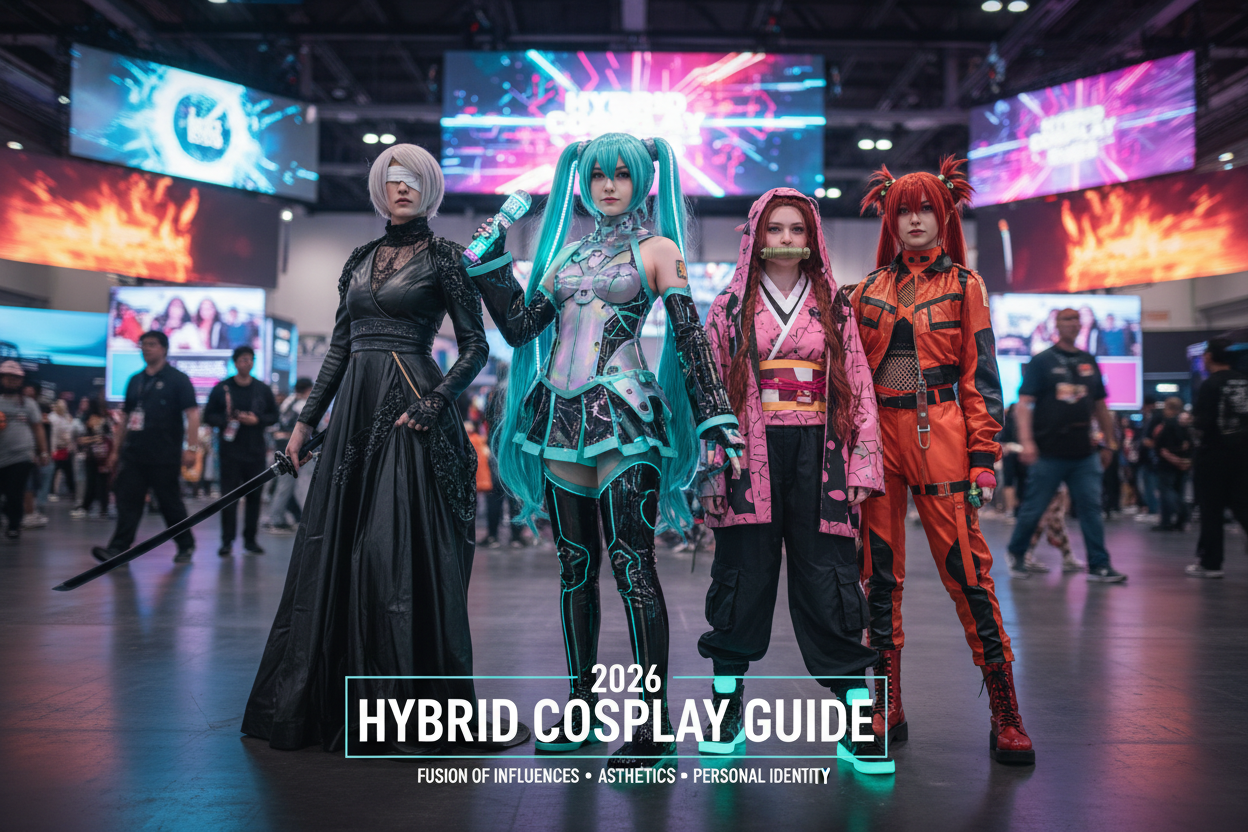
But in 2026, that boundary is becoming less defined.
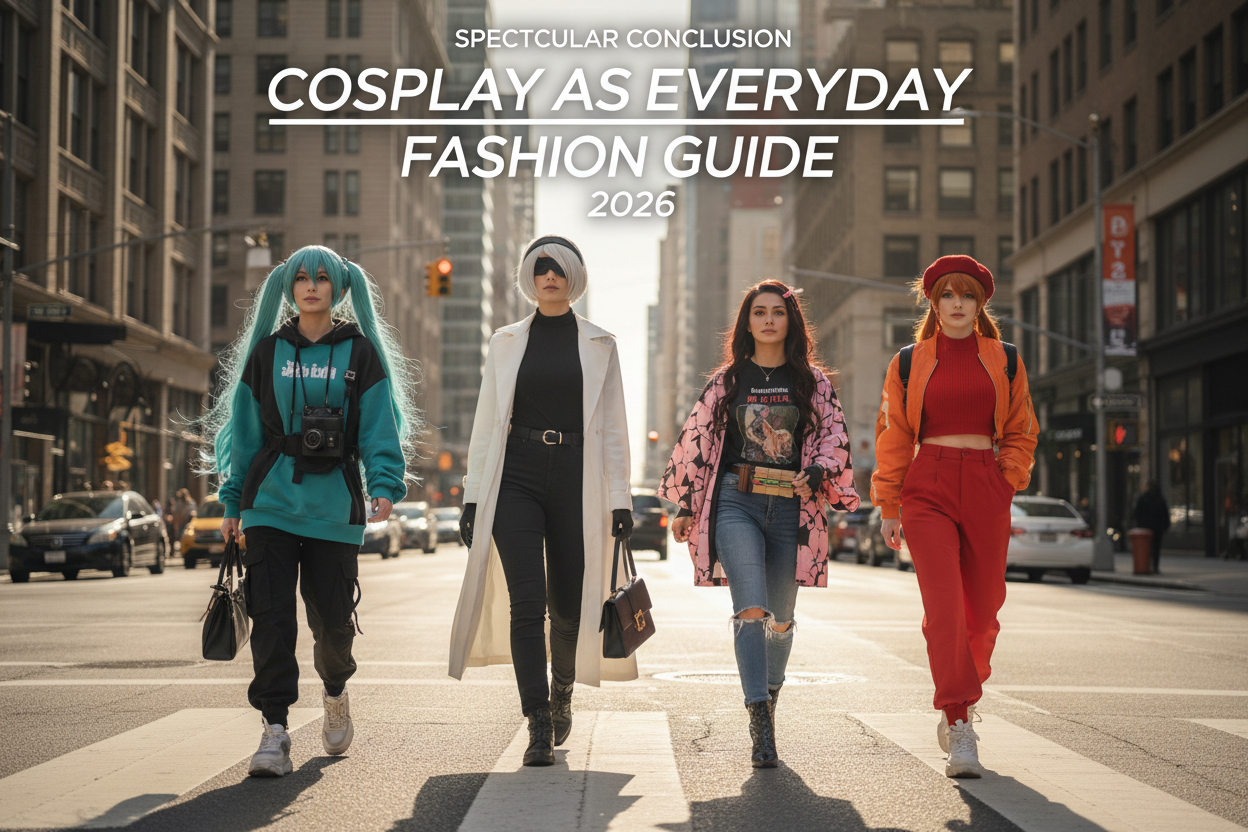
A growing number of cosplayers are now wearing cosplay-inspired outfits in everyday life.
Not full armor builds or heavy costumes—but modified, wearable, fashion-inspired versions of their favorite characters.
This raises an interesting question:
Why are cosplayers starting to treat cosplay as everyday fashion instead of a convention-only activity?
The answer reveals a major shift in how fandom, fashion, and identity are merging.
📊 The Shift: Convention Cosplay vs Everyday Cosplay Fashion
| Category | Traditional Cosplay | 2026 Cosplay Fashion |
|---|---|---|
| Purpose | Convention use | Daily expression |
| Complexity | High detail | Simplified design |
| Comfort | Limited | High priority |
| Identity | Character focus | Hybrid identity |
| Usage Frequency | Occasional | Regular |
Cosplay is no longer just an event activity.
It is becoming part of personal style.
1. Social Media Has Turned Cosplay Into a Visual Identity
One of the biggest drivers is social media.
Platforms like TikTok and Instagram reward:
- Outfit aesthetics
- Short-form visuals
- Strong identity looks
Cosplay naturally fits this ecosystem.
What Changed
| Old Behavior | New Behavior |
|---|---|
| Post at conventions | Post daily outfits |
| Full costume only | Partial cosplay styling |
| Static identity | Fluid identity |
Cosplayers are no longer just “becoming a character.”
They are building a visual identity inspired by multiple characters.
2. Streetwear Culture and Cosplay Are Merging
Modern fashion trends have made cosplay-inspired outfits more acceptable in daily life.
Popular hybrid styles:
- Anime streetwear
- Gothic cosplay fashion
- Cyberpunk-inspired outfits
- Idol-style casual looks
This trend is especially visible in characters with strong visual identity.
🟣 Example: Miku Fashion Influence
Hatsune Miku is one of the strongest examples of cosplay becoming fashion.
Her design elements are already:
- Simple color palette
- Recognizable hair style
- Strong silhouette identity
This makes her easy to reinterpret as:
- casual streetwear outfits
- fashion-themed photo shoots
- everyday inspired styling
Internal Link Opportunity
Collection:
3. Characters Like 2B Are Naturally “Wearable”
Some characters already align with fashion aesthetics.
Example: 2B (NieR: Automata)
Why 2B works for fashion cosplay:
- Minimal color palette (black & white)
- Elegant silhouette
- High fashion-inspired design
- Strong visual identity
This is why 2B appears frequently in:
- photoshoot fashion edits
- casual reinterpretations
- minimalist cosplay styling
Internal Link Opportunity
NieR: Automata cosplay costumes
Collection:
4. Demon Slayer Shows the Rise of “Simplified Wearability”
Unlike complex armor-based franchises, Demon Slayer designs are highly adaptable.
Example adaptations:
- Haori jackets as streetwear
- Pattern-based fashion styling
- Casual cosplay versions
Characters like Nezuko or Shinobu often appear in simplified, wearable interpretations.
Internal Link Opportunity

Collection:
5. K-Pop Demon Hunters Reflects Modern Fashion Cosplay DNA
Newer franchises like K-Pop Demon Hunters are designed with fashion integration in mind.
Their character styling often includes:
- idol-inspired outfits
- stage performance aesthetics
- real-world fashion influence
This makes them naturally compatible with everyday cosplay styling.
Why it matters:
These characters blur the line between:
- performance costume
- and real fashion identity
-
Internal Link Opportunity
K-Pop Demon Hunters Cospplay Costume

Collection:
6. Cosplayers Want More Reusability From Their Costumes
Traditional cosplay is expensive and time-consuming.
Many cosplayers now prefer outfits that can be reused in different contexts.
Benefits of wearable cosplay:
| Benefit | Impact |
|---|---|
| Cost efficiency | High |
| Daily usability | High |
| Social media content | High |
| Comfort | High |
This is especially important for long-term hobbyists.
7. Photography Culture Encourages Fashion Cosplay
Modern cosplay photography is less about convention documentation and more about aesthetic storytelling.
New photography trends:
- street photoshoots
- cinematic lighting
- fashion editorials
- urban backgrounds
Cosplay naturally adapts into fashion direction.
8. Identity Blending Is Becoming Normal
Many cosplayers no longer identify strictly as:
“I am cosplaying this character”
Instead, they say:
“This is my style inspired by this character”
This reflects a deeper cultural shift:
cosplay is becoming part of personal identity, not just character imitation.
9. EVA (Asuka) Shows the Long-Term Fashion Influence
EVA characters have influenced fashion-inspired cosplay for years.
Why Asuka works:
- bold color identity (red/orange)
- iconic silhouette
- strong emotional expression
Many modern interpretations of Asuka include:
- streetwear versions
- modern casual outfits
- fashion editorial styles
Internal Link Opportunity

Collection:
Buying Guide: How to Turn Cosplay Into Everyday Fashion
If you want to follow this trend, consider:
Checklist
| Question | Importance |
|---|---|
| Can this outfit be simplified? | High |
| Does it still feel recognizable? | Very High |
| Is it comfortable for daily wear? | High |
| Can I mix it with streetwear? | High |
| Does it reflect my personal style? | Very High |
The key is balance:
recognition + comfort + personal identity.
FAQ
Is cosplay becoming fashion now?
Yes, many cosplayers are integrating character-inspired outfits into daily fashion.
Do you need a full costume for cosplay anymore?
No. Many modern cosplay styles are partial or fashion-based interpretations.
Why is this trend growing?
Because of social media, comfort preferences, and fashion influence.
Which characters work best for cosplay fashion?
Characters with simple, strong visual identity like Miku, 2B, and Asuka work best.
Conclusion
Cosplay is no longer limited to conventions or events.
In 2026, it is increasingly becoming part of everyday fashion culture.
Whether through Hatsune Miku-inspired outfits, NieR: Automata aesthetic styling, or Demon Slayer casual adaptations, cosplayers are blending fandom with personal identity in new ways.
The result is a shift from:
costume-based cosplay
to
lifestyle-based cosplay expression
And this transformation is reshaping what cosplay means for an entire generation.

Leave a comment
This site is protected by hCaptcha and the hCaptcha Privacy Policy and Terms of Service apply.