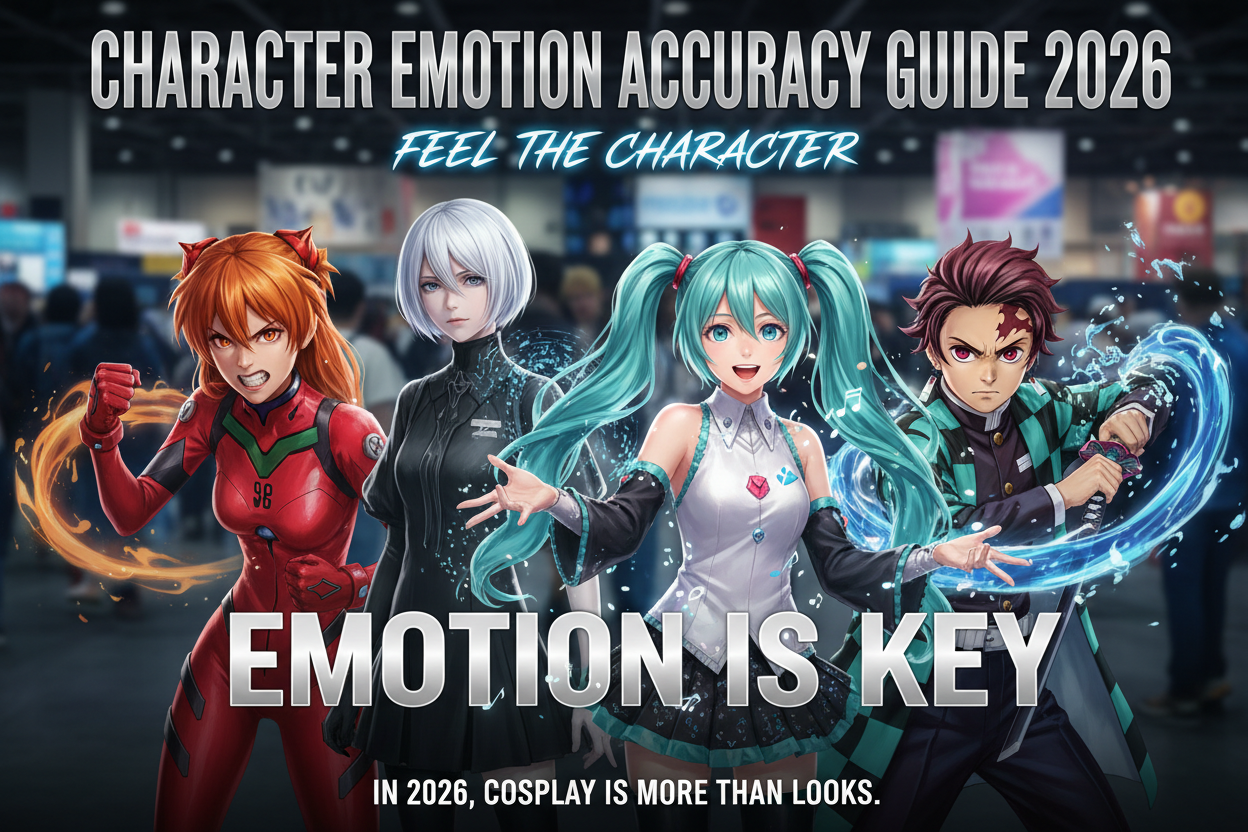
 Introduction
Cosplay has always been associated with one core idea:
how accurately a costume matches the original character.
For years, accuracy meant everything:
- outfit detail
- fabric matching
- prop precision
- color correctness
But in 2026, a new discussion is dominating cosplay communities on Reddit, TikTok, and Instagram:
“The costume is accurate, but the emotion feels wrong.”
This has led to a new concept in cosplay culture:
emotion accuracy
And it is becoming just as important—sometimes even more important—than costume accuracy.
So why is this shift happening?
📊 The Shift: Costume Accuracy vs Emotion Accuracy
| Factor | Traditional Cosplay Focus | 2026 Cosplay Focus |
|---|---|---|
| Costume accuracy | Very high | High |
| Emotion accuracy | Medium | Very high |
| Character identity | Visual | Emotional |
| Audience impact | Detail-based | Feeling-based |
💬 Reddit Discussion Pattern
This topic appears frequently in cosplay communities:
Common comments include:
- “it looks perfect but doesn’t feel like the character”
- “emotion is missing even though costume is 1:1”
- “you captured the outfit but not the personality”
- “this feels more like a model than the character”
The key idea emerging is:
Cosplay is no longer judged only by appearance, but by emotional interpretation.
1. Audiences Now Recognize Characters Through Emotion First
Modern audiences consume cosplay content quickly.
On platforms like TikTok and Instagram:
- facial expression is seen first
- emotion is processed instantly
- costume details are secondary
This means emotional expression becomes the primary identity signal.
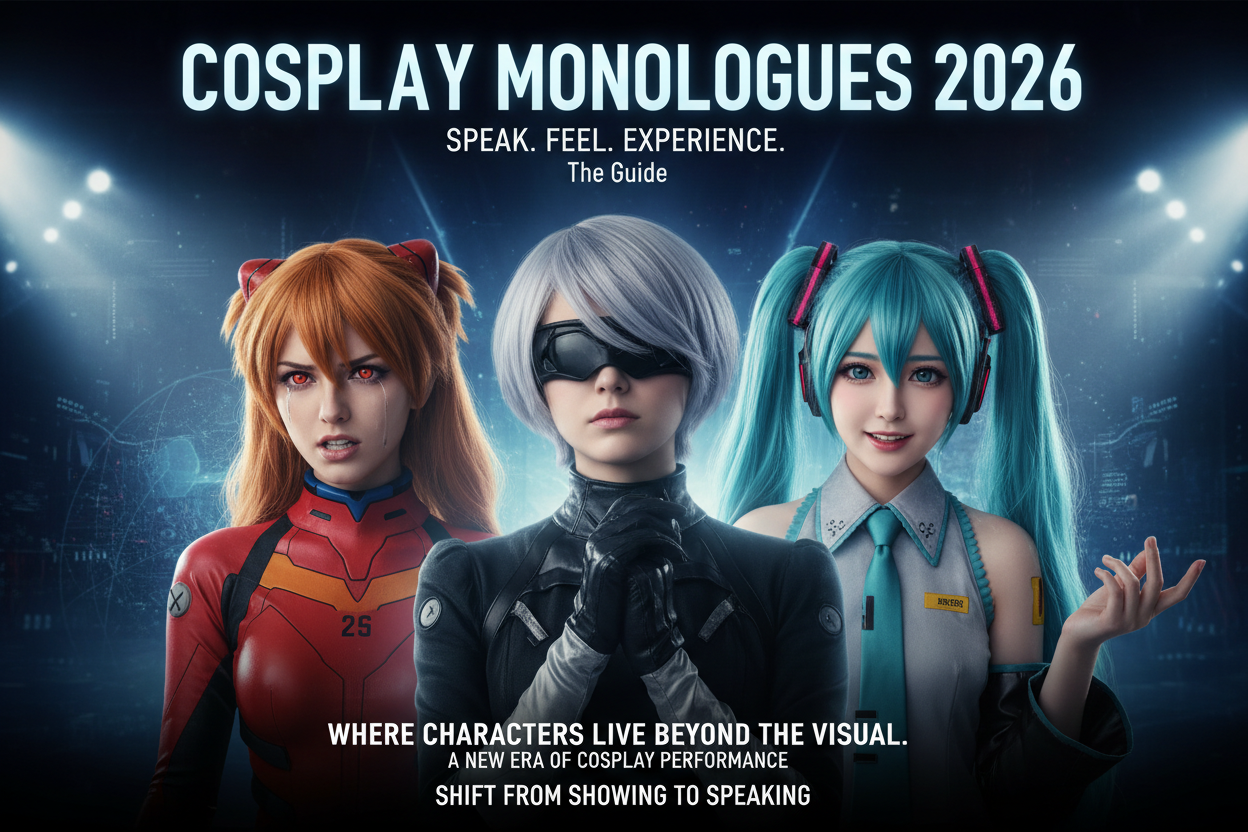
2. Cosplay Is Becoming Performance-Based, Not Just Visual-Based
Cosplayers are increasingly treated like performers rather than costume wearers.
New expectations include:
- acting ability
- emotional consistency
- character mindset
- scene interpretation
A costume alone is no longer enough to communicate identity.
3. Characters Like Asuka Rely Heavily on Emotional Accuracy
Asuka Langley (EVA) is often used in discussions about emotional cosplay accuracy.
Reddit feedback often includes:
- “the attitude is wrong”
- “she looks too calm”
- “Asuka should feel more intense”
Even when the costume is accurate, emotional mismatch stands out immediately.
Internal Link Opportunity

Collection:
4. 2B Cosplay Highlights Emotional Minimalism
2B from NieR: Automata is a key example of emotional interpretation.
Her character is defined by:
- restraint
- calmness
- controlled expression
If a cosplayer exaggerates emotion too much, fans often feel it is “out of character.”
Internal Link Opportunity
NieR: Automata cosplay costumes
Collection:
5. Miku Cosplay Depends on Performance Emotion
Hatsune Miku is not emotionally complex in canon, but performance emotion is still critical.
Key emotional cues:
- stage energy
- happiness expression
- performance presence
Without emotional energy, even an accurate costume feels flat.
Internal Link Opportunity

Collection:
6. Demon Slayer Cosplay Relies on “Battle Emotion”
Demon Slayer characters are deeply tied to emotional states:
- determination
- rage
- fear
- focus
Even perfect costumes can feel wrong if the emotional state is not aligned.
Internal Link Opportunity
Demon Slayer cosplay costumes
Collection:
7. Social Media Amplifies Emotional Expression Over Detail
Platforms now prioritize:
- facial expressions
- emotional thumbnails
- expressive poses
Detailed costumes often lose impact if emotion is not strong.
Emotion becomes the main engagement driver.
8. Photography Trends Now Include Acting Direction
Cosplay photographers increasingly direct:
- emotional tone
- character mindset
- micro-expressions
This is turning cosplay shoots into mini acting sessions.
9. Fans Are Interpreting Characters More Subjectively
Another major shift is interpretation diversity.
Fans now accept:
- different emotional versions of the same character
- alternate personality interpretations
- mood-based cosplay variations
This makes emotion more flexible than costume accuracy.
10. The Core Shift: From Visual Replication to Emotional Translation
The biggest transformation in cosplay culture is conceptual.
Cosplay used to ask:
“Does it look like the character?”
Now it asks:
“Does it feel like the character?”
Emotion accuracy becomes the bridge between costume and identity.
Buying Guide: How to Improve Emotion Accuracy in Cosplay
Key focus areas:
| Skill | Importance |
| facial expression control | Very high |
| character study | Very high |
| posture alignment | High |
| emotional consistency | Very high |
FAQ
What is emotion accuracy in cosplay?
It refers to how well a cosplayer captures the character’s emotional state and personality.
Is costume accuracy still important?
Yes, but it is no longer the only or primary measure of quality.
Why do fans care about emotion so much now?
Because social media prioritizes emotional impact over technical detail.
Which characters are hardest for emotion accuracy?
Emotionally complex characters like Asuka or introspective characters like 2B.
Conclusion
Cosplay culture in 2026 is shifting from visual precision to emotional interpretation.
While costume accuracy remains important, it is no longer the dominant factor in how cosplay is judged or appreciated.
Emotion accuracy is becoming the new standard.
Because in modern cosplay, it is not enough to look like the character.
You have to feel like the character.

Leave a comment
This site is protected by hCaptcha and the hCaptcha Privacy Policy and Terms of Service apply.