Introduction
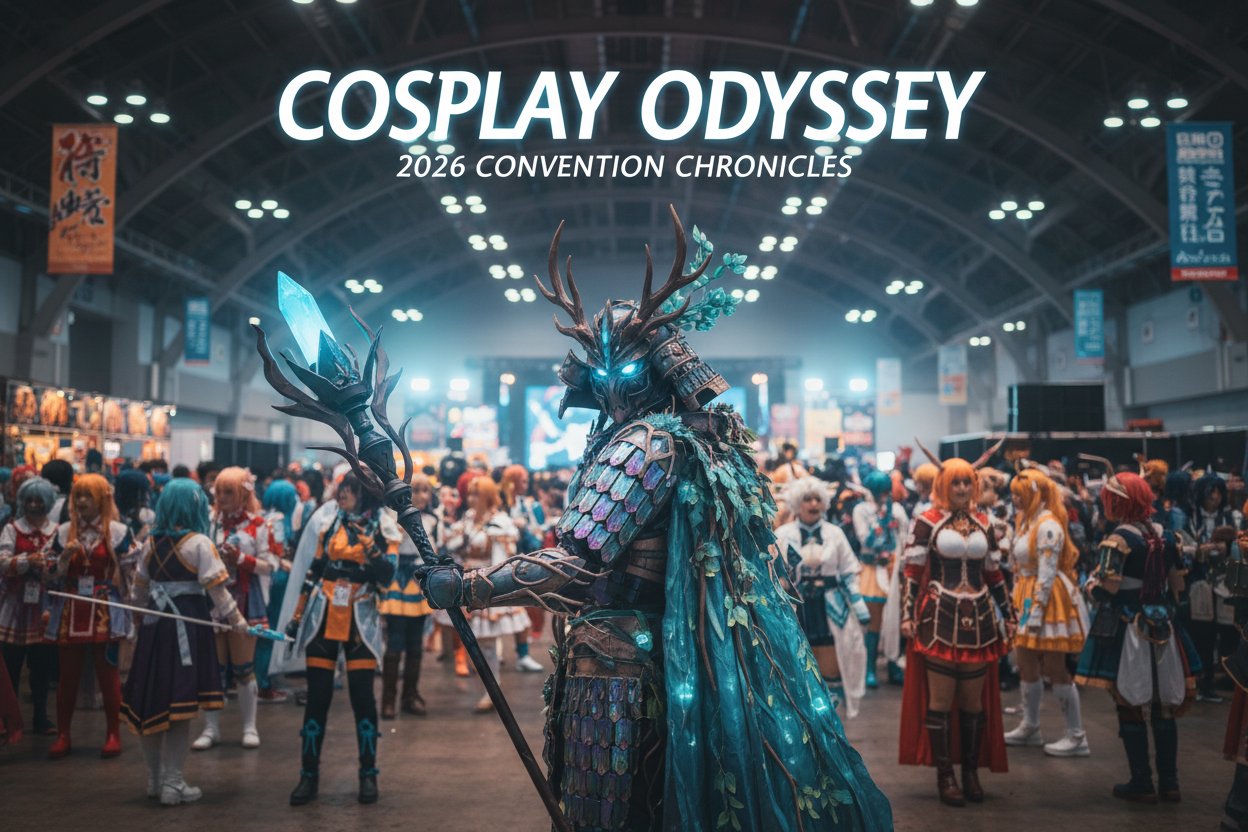
A specific kind of video has become its own recognizable genre on cosplay TikTok: the "overused cosplay" callout. TikTok creator Zentra (@zentra.reacts) posted a video under exactly that title — "Most OVERUSED Cosplays in 2026" — joining a growing wave of community-made content that pokes fun at just how repetitive convention photo lines have become around the same handful of characters.
It's a small, half-comedic format, but it points to something real: cosplayers are increasingly self-aware about saturation, and that awareness is actively reshaping which unique cosplay costume ideas and alternate skins people chase instead. In this guide, we'll break down why this callout genre exists, what's actually driving character saturation, and how to build a cosplay costume that stands out rather than blends into the fifth identical photo line of the day.
The "Overused Cosplay" Callout Genre: Why the Community Is Policing Itself
Content like Zentra's isn't hostile toward the characters or the cosplayers who choose them — it's closer to an inside joke the community tells about itself, in the same spirit as convention-goers joking about seeing the same three characters in every single photo line. But half-joking callout content still functions as real social signal.
When a specific creator dedicates a video specifically to naming which picks feel oversaturated, it tells the rest of the community two things at once:
-
Which characters are currently so popular that showing up as one of them guarantees you blend in.
-
Which choices are quietly becoming a badge of "trying too hard to be safe" rather than a badge of fandom enthusiasm.
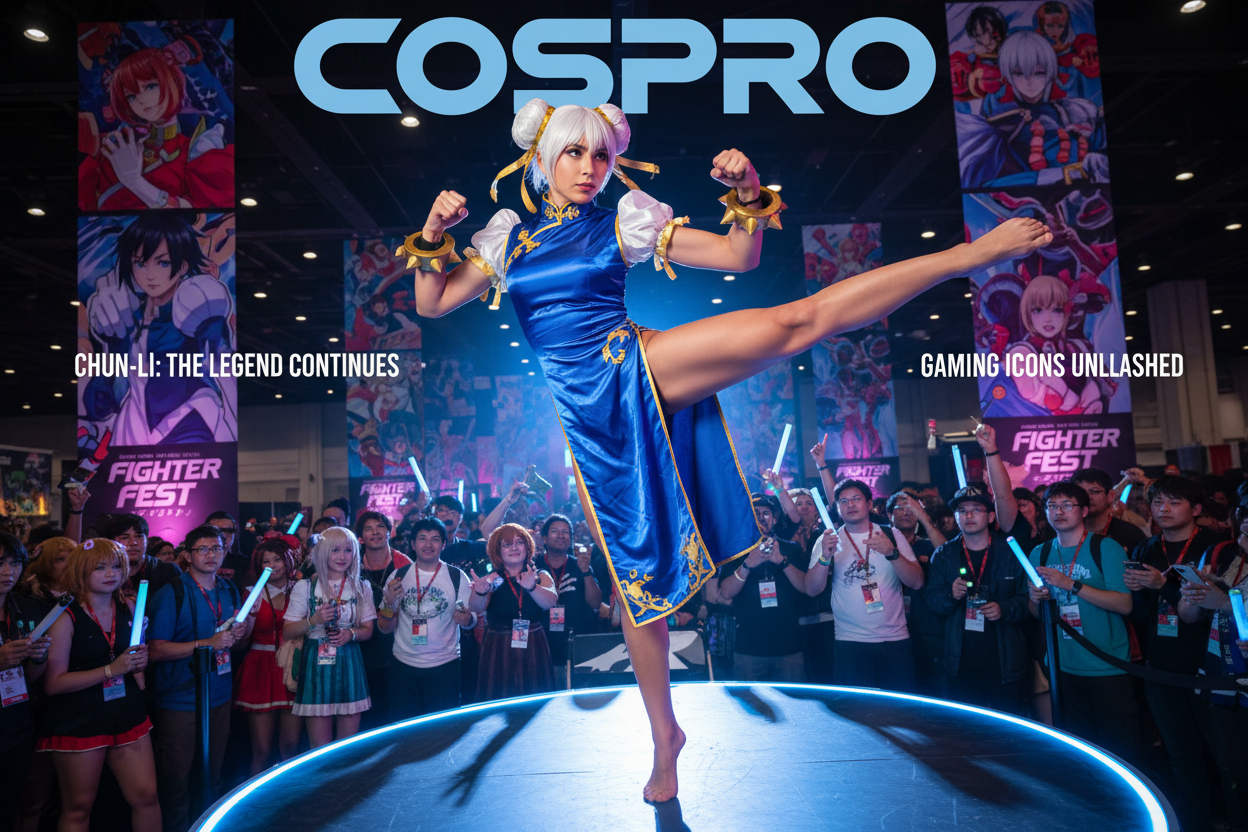
That kind of community self-policing isn't unique to cosplay, but it hits differently here because of how visible convention floors and social feeds make repetition. A repetitive fashion choice in daily life mostly goes unnoticed; a repetitive cosplay choice gets photographed standing next to four identical versions of itself within the same hour at a con.
The Data Behind the Fatigue: Why Certain Characters Hit Saturation So Fast
Character saturation in 2026 isn't a vague feeling — it tracks directly with something we've covered before: the sheer volume of content certain franchises now generate.
-
Franchise Concentration: Jujutsu Kaisen and Chainsaw Man alone are producing a combined 1.8 million monthly posts across social platforms, an enormous concentration of content around a relatively small pool of instantly recognizable characters.
-
Release-Window Spikes: Genshin Impact shows the same pattern from a different angle — its top-ranked characters (Arlecchino, and now Columbina) get so much simultaneous cosplay attention around a single release window that a huge share of a convention's Genshin cosplayers end up building the exact same one or two characters within weeks of each other.
This connects directly to the faster content cycles we've discussed with live-service games and constantly-updating anime adaptations: when a franchise generates fresh, must-cosplay characters every few weeks, a huge number of cosplayers converge on the same small set of "obviously good" choices at the same time. The saturation isn't really anyone's fault — it's a predictable side effect of how quickly trend-driven content spreads now compared to earlier eras.
From Saturation to Differentiation: How "Overused" Callouts Are Reshaping Character Choice
The practical response to this fatigue is exactly what we've tracked across several other 2026 cosplay trends. The rise of archetype and original fantasy cosplay — building toward a "knight" or "witch" concept rather than a single named character — is partly a direct response to this exact saturation problem: an original design guarantees you won't be the fifth identical photo in someone's convention gallery. Genderbend and crossplay reinterpretations serve a similar function, taking an oversaturated character and making the build genuinely distinct through reinterpretation rather than straight replication.
There's a simpler, lower-effort version of the same strategy too: choosing a secondary or supporting character from an oversaturated franchise instead of its single most-cosplayed lead, or building an alternate outfit/skin variant instead of a character's default look. Both approaches let a cosplayer stay connected to a franchise they genuinely love without contributing to the exact repetition callout videos like Zentra's are poking fun at.
Oversaturated Picks vs. Differentiation Strategies
| Common Oversaturated Pattern | Why It's Saturated | Differentiation Strategy |
| A franchise's lead character during a launch | Concentrated social content (millions of posts) drives simultaneous convergence | Choose a secondary or supporting character from the same franchise instead |
| A character's default/canon outfit | It's the only reference most casual cosplayers reach for | Build an alternate skin, regional variant, or lesser-known costume version |
| Straight replication of top-ranked designs | Easiest, lowest-risk build decision when time is limited | Genderbend or crossplay reinterpretation of the same character |
| Chasing whatever the newest content wave highlights | Live-service games generate constant "obvious" picks | Build toward an archetype or original fantasy design inspired by the trend |
Building a Cosplay Costume That Doesn't Blend In
-
Pick your differentiation strategy before you pick your character. Deciding upfront whether you want to go secondary-character, alternate-outfit, genderbend, or fully original will shape your build decisions from the very first sketch, rather than trying to retrofit uniqueness onto a standard build later.
-
Lean into franchises you already love rather than chasing whatever's most oversaturated. A secondary character from a franchise you have genuine knowledge of will read as more intentional than an original design built around a trend you don't actually follow.
-
Don't assume "less popular" means "less impressive." A well-executed alternate outfit or supporting character build can outperform a rushed, oversaturated main-character build in photos and contest judging alike. When picking non-default variants, evaluating real quality is crucial — that's why we rely on real, self-taken showroom photographs across all our listings, ensuring you see the authentic tailoring before you commit.
-
Remember that callout content is mostly good-natured, not a verdict. If you genuinely love an oversaturated character, community fatigue content shouldn't talk you out of building them — it's more useful as a signal for cosplayers actively looking for a way to stand out than as a rule about what's "allowed."
Frequently Asked Questions
Does "overused cosplay" callout content mean I shouldn't cosplay a popular character?
Not at all — it's largely good-natured community commentary, not a rule. If you love a popular character, building them is still a completely valid choice; the content is more useful for cosplayers specifically looking for ways to stand out.
Why do certain characters become oversaturated so quickly compared to a few years ago?
Faster content cycles across live-service games and heavily-hyped anime releases mean a huge number of cosplayers discover and commit to the same "obvious" pick within the same short window, compared to slower-building popularity in earlier cosplay eras.
What's the easiest way to differentiate a build without a complicated original design?
Choosing a secondary or supporting character from a franchise you already love, or building an alternate outfit/skin variant instead of the default look, both require far less design work than a fully original concept while still standing out from the crowd.
Is genderbend or crossplay a good differentiation strategy for an oversaturated character?
Yes — reinterpreting an oversaturated character's gender presentation is one of the more accessible ways to keep a beloved character while making the build genuinely distinct from straight replicas.
Should I avoid a character entirely if I've seen callout content mocking it as overused?
No — callout content reflects convention-floor repetition, not a judgment on the character's quality. It's worth factoring in if standing out matters to you for a specific event, but it's not a reason to abandon a character you're genuinely passionate about.
Conclusion
Choosing a unique cosplay costume in 2026 doesn't require abandoning the characters and franchises you love — it means being intentional about which version of that love you're bringing to the convention floor. Whether you differentiate through a secondary character, an alternate outfit, a genderbend reinterpretation, or a fully original archetype build, the community's growing "overused cosplay" self-awareness is ultimately a useful signal, not a restriction. If you're ready to build a cosplay costume that stands out rather than blends in, check our character and outfit variation guide / custom collection below before you order.

Leave a comment
This site is protected by hCaptcha and the hCaptcha Privacy Policy and Terms of Service apply.