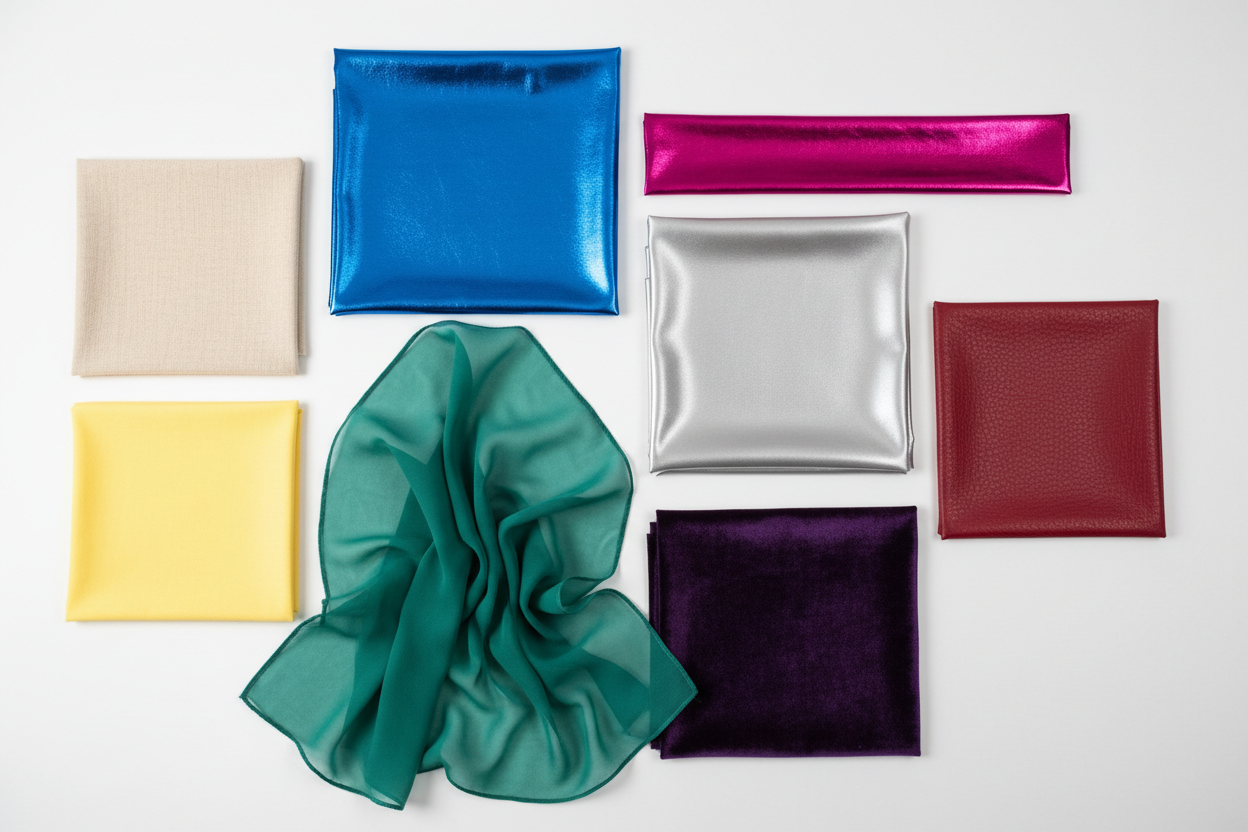
 Choosing the Right Fabric for Your Cosplay
Fabric selection is the foundation of creating high-quality cosplay costumes. Different characters and costume styles require fabrics with specific properties. Understanding the characteristics of various materials will help you create more authentic and comfortable cosplay pieces.
Common Cosplay Fabric Types
1. Stretch Fabrics
Spandex/Lycra: Highly elastic fabric perfect for tight-fitting bodysuits, superhero costumes, and characters requiring a form-fitting silhouette. Offers excellent stretch and recovery, ensuring comfort and freedom of movement during long convention days.
Knit Fabrics: Soft and breathable, ideal for casual wear and everyday character outfits. Provides moderate stretch and superior comfort for extended wear.
2. Structured Fabrics
Cotton: Breathable and easy to dye and work with, perfect for shirts, skirts, and everyday costume pieces. Natural material that's comfortable against the skin and holds shape well.
Canvas: Thick and durable, excellent for costumes requiring structure and stiffness, such as military uniforms or workwear-inspired designs.
3. Lustrous Fabrics
Satin: Smooth surface with elegant sheen, ideal for formal gowns and elaborate character costumes. Creates a luxurious, high-end visual effect perfect for royalty or elegant characters.
PU Leather: Offers leather texture while being easier to work with than genuine leather. Perfect for armor, battle suits, and punk-style costumes. Water-resistant and easy to clean.
4. Special Effect Fabrics
Chiffon: Lightweight and flowing, perfect for fantasy characters, mages, or any costume requiring ethereal movement and drape.
Velvet/Velour: Soft with rich texture, ideal for animal characters, winter costumes, or adding luxurious depth to period pieces.
Key Considerations When Selecting Fabric
- Character Accuracy: Choose fabrics that match the texture and appearance of the original design
- Comfort: Consider wearability for extended periods, especially at conventions and photo shoots
- Workability: Select materials that match your skill level and are easy to cut, sew, and manipulate
- Durability: Consider fabric strength, wear resistance, and washability for long-term use
- Budget: Find the best quality-to-price ratio within your project budget
Fabric Care Tips
Different fabrics require different care methods. Stretch fabrics should be hand-washed or machine-washed in a garment bag on gentle cycle, avoiding high heat. Delicate fabrics like satin and chiffon are best dry-cleaned. PU leather can be wiped clean with a damp cloth. Proper care extends the life of your cosplay costumes and keeps them looking their best.
Conclusion
Selecting the right fabric is the first step in creating outstanding cosplay costumes. By understanding the properties of various materials and matching them to your character's needs and your budget, you can craft cosplay pieces that are both visually stunning and comfortable to wear. Whether you're purchasing ready-made costumes or commissioning custom pieces, fabric knowledge empowers you to make informed decisions and achieve the best results.


Leave a comment
This site is protected by hCaptcha and the hCaptcha Privacy Policy and Terms of Service apply.