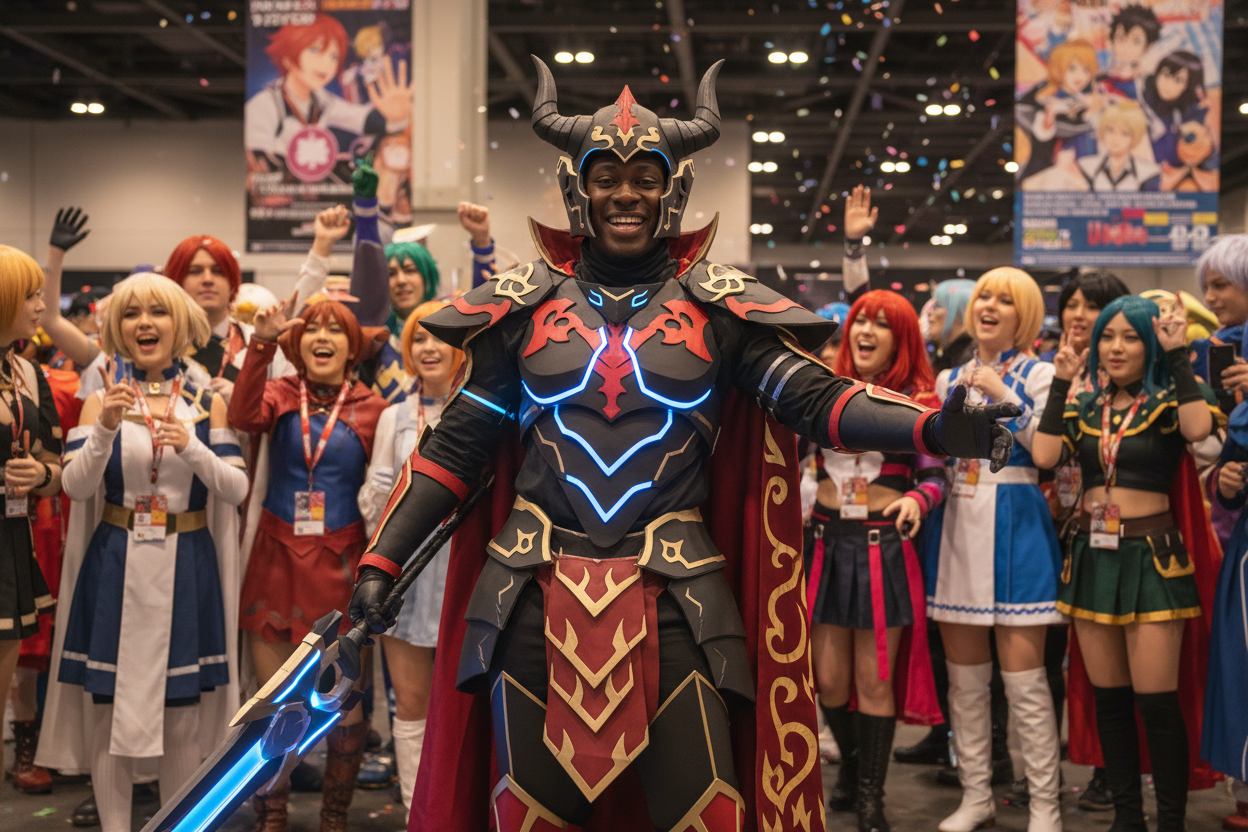
Black cosplayers have been building some of the most technically skilled, creative work in the community for years — and a real, well-documented number of them still face racist comments simply for cosplaying characters who aren't drawn as Black, regardless of how accurate or well-crafted the costume is.
Outlets like Inverse and Vice have reported on specific, named cases of this happening repeatedly, and the community's own response has been just as visible: hashtags like #BlackCosplayerHere , #BlackCosplayersUnite, and #CosplayConfidence exist specifically because Black cosplayers have organized real, lasting support networks in response.
This guide isn't about whether the harassment is legitimate criticism — it isn't, and treating "you can't cosplay this character because of your race" as a reasonable position isn't something this guide does. It's a practical walkthrough for protecting your experience, your mental space, and your ability to keep doing a hobby you love, using strategies real cosplayers and cosplay-focused support organizations have actually put into practice.
What You'll Need
-
A few minutes to review and adjust the privacy and comment-moderation settings on whichever platforms you post to
-
A short list of Black-cosplayer-led communities, hashtags, or creators to follow and connect with
-
A personal plan, decided in advance, for how you want to handle hateful comments when they show up
-
A small list of trusted friends, mentors, or community members you can lean on when a post gets a rough response
Step One: Lock Down Your Digital Environment Before It Becomes a Problem
Most major platforms have real, underused tools for controlling who can comment on and interact with your posts, and setting these up before you post something that might draw attention is far easier than reacting after the fact.
On TikTok and Instagram specifically, both platforms offer keyword filtering (letting you pre-block specific slurs or phrases from ever appearing as comments), the ability to restrict comments to followers or people you follow, and a "restrict" feature that quietly limits a specific account's visibility on your content without them being notified they've been blocked. Take ten minutes to actually turn these on rather than assuming default settings are doing this work for you — most platforms don't enable aggressive keyword filtering automatically.
Beyond individual settings, think about your own posting rhythm. A commonly recommended harm-reduction approach — one that cosplay-focused mental health resources have written about directly — is treating your online space as something you actively curate rather than passively expose yourself to. That can mean posting a new cosplay, then deliberately stepping away from checking comments obsessively in the first hour or two, when negative reactions (if they come) tend to cluster. It's not about avoiding feedback entirely; it's about not putting yourself in the position of watching hateful comments arrive in real time when you don't have to.
Step Two: Build and Lean On a Real Support Network
This is less a one-time task and more an ongoing practice, but it's worth treating deliberately rather than assuming it'll happen on its own.
Seek out and actively follow Black cosplayer communities and creators — accounts organized around BlackCosplayersUnite and similar tags aren't just hashtags, they represent an actual, active network of cosplayers who have been navigating this exact set of challenges for years and are generally happy to welcome newer cosplayers into that circle. Following and engaging with this community before you need support means you're not starting from zero the first time you get a rough comment section.
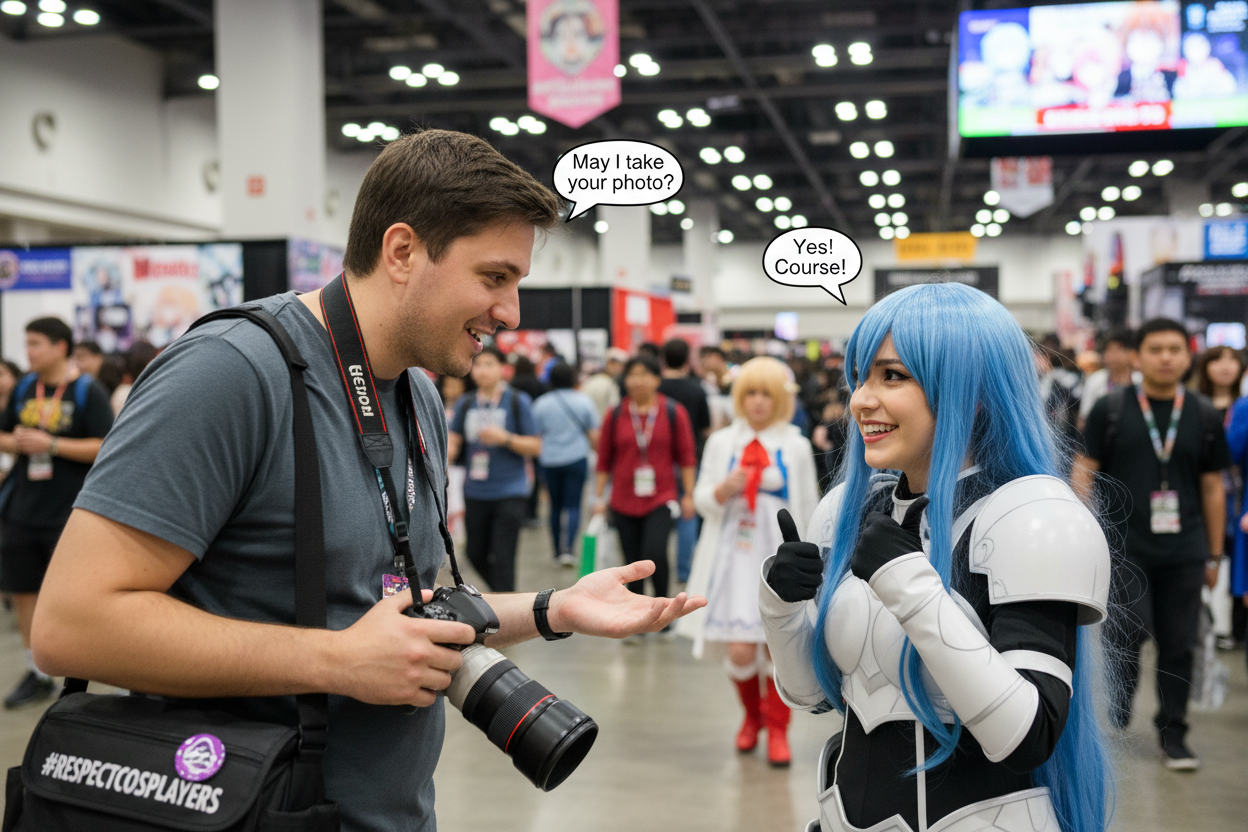
It's also worth specifically seeking out photographers and convention groups with a track record of being genuinely inclusive. One recurring, documented complaint within the Black cosplay community is that convention photographers and cosplay showcase content have historically underrepresented POC cosplayers compared to their white counterparts, even at the same events wearing equally detailed builds.
Rather than treating that as something to just push through alone, look for convention photographers who are specifically known within Black cosplayer circles for prioritizing inclusive coverage, and consider coordinating group photo meetups with other Black cosplayers at a convention — both for safety in numbers and because a supportive group session tends to produce better, more comfortable photos than trying to get individual photographer attention in a crowded, inconsistent hallway scene.
Step Three: Decide How You'll Respond to Hate Comments — Before You See One
Deciding your response strategy in a calm moment, rather than in the middle of reading a hateful comment, makes a real difference in how much a bad interaction actually costs you emotionally. A few approaches that experienced cosplayers commonly use, often in combination:
-
Document, report, and move on without engaging. Screenshotting a genuinely harassing or racist comment (in case a pattern needs to be reported to a platform or, in extreme cases, to convention staff) and then reporting and blocking without replying is one of the most consistently recommended approaches — it protects you from getting pulled into a drawn-out argument that rarely changes a bad-faith commenter's mind anyway.
-
Let your community respond if they choose to. A meaningful part of why hashtags like #BlackCosplayerHere function the way they do is that they let other cosplayers see and publicly push back on racist comments without the original target having to personally absorb that fight. You don't owe anyone a personal defense of your right to cosplay a character — and you're allowed to let your community carry some of that weight instead of doing it alone every time.
-
Have a short, canned response ready if you do want to reply. Some cosplayers prefer a brief, unbothered reply over silence — something short and confident rather than a defensive explanation. The specific wording matters less than having decided in advance that you won't spend real energy justifying your costume choices to someone arguing in bad faith.
-
Give yourself permission to just log off. This sounds obvious, but it's frequently the hardest option to actually take in the moment. Stepping away from a platform for a day after a rough post is not the same as losing or giving up — it's a normal, healthy boundary, and plenty of long-time cosplayers in this exact community describe doing this regularly as part of how they've sustained the hobby long-term rather than burning out on it.
Common Troubleshooting and Situations to Watch For
"I reported a comment and nothing happened."
Unfortunately, individual comment reports don't always result in visible platform action, especially for a single instance. If you're dealing with a pattern of harassment from the same account or a coordinated pile-on, documenting multiple instances together and reporting them as a pattern (rather than one comment at a time) tends to get more traction, and some platforms have separate harassment-reporting flows distinct from standard comment reports that are worth specifically seeking out in the app's help settings.
"I feel like I constantly have to justify my costume choices."
You don't, and it's worth actively unlearning the instinct to over-explain. The characters in most anime, games, and comics are fictional, and the double standard where only certain cosplayers get questioned about "accuracy" is a documented, widely acknowledged pattern within the community itself — it says something about the critic's assumptions, not about the legitimacy of your cosplay.
"Convention photographers keep skipping past me."
This is a real, reported pattern, not something you're imagining. Rather than treating it as something to individually push through, actively seek out photographers with reputations for inclusive coverage (often shared within Black cosplayer community circles), and don't hesitate to directly ask a photographer for a shot rather than waiting to be noticed — plenty of well-regarded convention photographers are simply working through a crowd quickly and are glad to be flagged down.
"I'm feeling worn down and considering stepping back from cosplay entirely."
That's a genuinely reasonable feeling to have, and taking a break is a legitimate choice, not a failure. If it's starting to feel like more than ordinary burnout — if you're feeling persistently overwhelmed, isolated, or unable to shake it — it's worth talking to someone you trust or a mental health professional about it directly, separate from the cosplay hobby itself; you deserve support that goes beyond a costuming forum's advice thread.
Next Steps
None of this is about tolerating racism as an unavoidable cost of the hobby — it's about not letting it take more from you than it already has, while you keep doing something you're genuinely good at and enjoy.
Building your privacy settings, your community, and your response plan before you need them puts you in a much stronger position than reacting from scratch every time.
If you're looking to connect further, seek out #BlackCosplayersUnite and #BlackCosplayerHere communities directly, and consider looking into cosplay-specific support organizations that advocate for better harassment policies at conventions — your experience in this hobby is worth protecting.

Leave a comment
This site is protected by hCaptcha and the hCaptcha Privacy Policy and Terms of Service apply.