Introduction
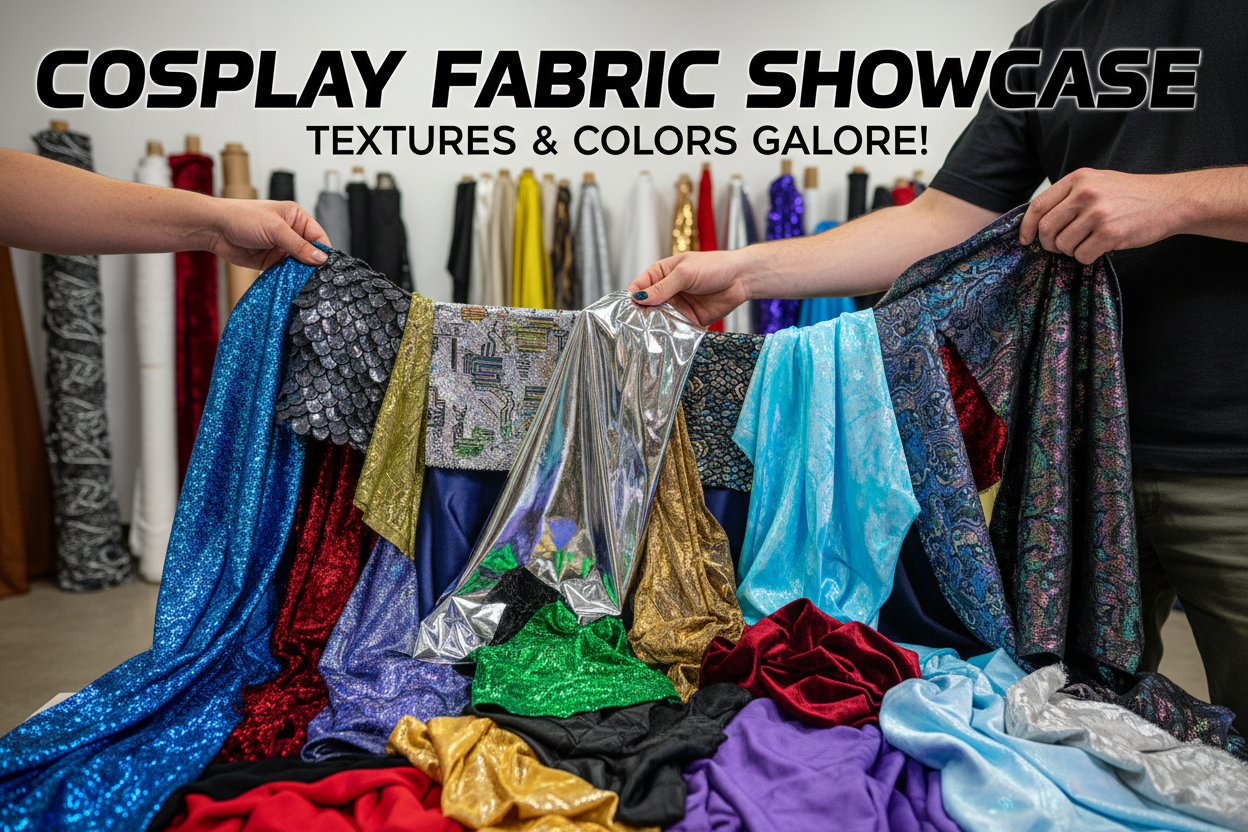
Choosing the right fabric for your cosplay costume is crucial, ensuring both accurate character portrayal and comfortable wear. However, many cosplayers overlook an important factor: outdoor conventions and indoor photoshoots have drastically different fabric requirements. This guide compares fabric choices for different scenarios to help you make the best decision.
Why is fabric selection important?
Fabric not only affects the visual appeal of the costume but also:
Wearing comfort: Breathability and comfort during extended wear
Photographic effect: Texture and color representation under different lighting conditions
Durability: Costume lifespan and maintenance requirements
Character accuracy: The material of the costume accurately reflects the character.
Activity adaptability: Performance in different environments and weather conditions
Common Cosplay Costume Fabric Types Explained
1. Polyester
Characteristics: The most commonly used cosplay fabric, moderately priced, wrinkle-resistant, and with vibrant, long-lasting colors.
Advantages: Easy to care for, not easily deformed, rich color selection, high cost performance.
Disadvantages: Poor breathability, prone to static electricity, stuffy in summer.
Best for: Indoor photography, short outdoor activities, spring/autumn meetings.
2. Spandex/Stretch Fabric
Features: Highly elastic fabric, close-fitting cut, often used in tight-fitting combat uniforms.
Advantages: Excellent elasticity, comfortable against the skin, wrinkle-resistant, free movement.
Disadvantages: Moderate breathability, prone to snagging, requires precise sizing.
Best for: Indoor shooting, roles requiring body lines to be shown, scenes with many action sequences.
3. Cotton
Features: Natural fabric, breathable and comfortable, suitable for casual characters.
Advantages: Excellent breathability, moisture-wicking, comfortable to wear, skin-friendly.
Disadvantages: Wrinkles easily, shrinks easily, colors are not vibrant enough, lacks structure.
Best for: Outdoor exhibitions, summer activities, long-term wear, casual characters.
4. Satin
Features: Smooth and glossy surface, often used for elegant clothing lettering.
Advantages: Luxurious visual effect, excellent luster, beautiful drape, suitable for photography.
Disadvantages: Easily scratched, not durable, wrinkles easily, requires careful maintenance.
Most suitable for: Indoor photography, formal occasions, role-playing, short-term exhibitions.
5. Chiffon
Characteristics: Lightweight and flowing, often used for fantasy and magical girl characters.
Advantages: Lightweight and breathable, good flow effect, can be layered, suitable for summer wear.
Disadvantages: Easily snagged, lacks crispness, requires lining, may be thin and sheer.
Most suitable for: Outdoor photography, summer anime conventions, characters requiring smooth special effects.
6. PU Leather
Features: Imitation leather material, often used for combat and punk-style characters.
Advantages: Strong texture, three-dimensional appearance, good visual impact, waterproof.
Disadvantages: Not breathable, extremely hot in summer, prone to cracking, heavy.
Best for: Indoor shooting, autumn/winter activities, short-term wear.
Outdoor Meeting Fabric Guide
Summer Outdoor Meetings (Prioritize: Breathability and Comfort)
Top Fabric Choices:
Pure cotton or cotton blends: Breathable and moisture-wicking, long-lasting comfort.
Chiffon: Light and flowing, ideal for fantasy/magical characters.
Lightweight polyester fabrics: Choose breathable mesh or lightweight styles, avoid heavy styles.
Fabrics to Avoid:
PU leather: Not breathable, risk of heatstroke.
High-elasticity fabrics: Tight and stuffy, not suitable for prolonged wear.
Multi-layered satin: Not breathable and heavy.
Practical Tips:
Choose light-colored fabrics; dark-colored fabrics absorb more heat.
Prioritize clothing with mesh linings.
Bring a portable fan and cooling sleeves.
Avoid fully enclosed designs; ensure ventilation.
Spring/Autumn Outdoor Meetings (Prioritize: Comfort and Effectiveness)
Recommended Fabrics:
Medium-weight polyester: Wrinkle-resistant, vibrant colors, comfortable temperature
Cotton blend: Comfortable and structured
Lightweight PU leather: Suitable for mild temperatures
Layering Tips:
Inner layer: Moisture-wicking, quick-drying fabric
Outer layer: Stylish fabric
Prepare detachable accessories for temperature regulation.
Winter Outdoor Meetings (Prioritize: Warmth and Style)
Recommended Fabrics:
Thick polyester or fleece: Warm and stylish
PU leather: Not too hot in winter, windproof
Wool blend: High-quality feel, excellent warmth
Warmth Tips:
Wear thermal underwear or clothing made of insulating technical fabrics as an inner layer.
Choose clothing with built-in linings.
Bring hand warmers and other warm clothing.

Indoor Photography Fabric Guide
Studio/Indoor Photography (Prioritizing Visual Effects)
Best Fabric Choices:
Satin: Excellent sheen, especially under studio lighting.
Premium Polyester: High color saturation, non-reflective.
Spandex: Close-fitting cut, accentuates body curves.
PU Leather: Durable texture, ideal for action roles.
Photography Advantages:
Low breathability requirements in controlled climates.
Choose fabrics with the best visual effects.
Relatively low comfort requirements for short-term wear.
Lighting can compensate for some fabric defects.

Important Notes: Avoid using fabrics with excessive reflectivity to prevent overexposure.
Pure black or pure white fabrics require careful exposure control.
Satin wrinkles easily; please iron carefully before shooting.
Spandex bodysuits must fit perfectly, otherwise they will accentuate body flaws.
Recommended Fabrics by Personality Type:
Combat Characters (e.g., game characters, superheroes)
Outdoor: Cotton blend + lightweight PU leather trim
Indoor: Spandex + PU leather + EVA foam (armor)
Formal Attire Characters (e.g., princesses, nobles)
Outdoor: Cotton satin or premium polyester
Indoor: Silk satin or high-gloss satin
Casual Characters (e.g., school uniforms, modern clothing)
Outdoor: Pure cotton or cotton blend
Indoor: Cotton blend or premium polyester
Fantasy/Magic Characters
Outdoor: Chiffon + lightweight polyester
Indoor: Chiffon + satin + tulle fabric

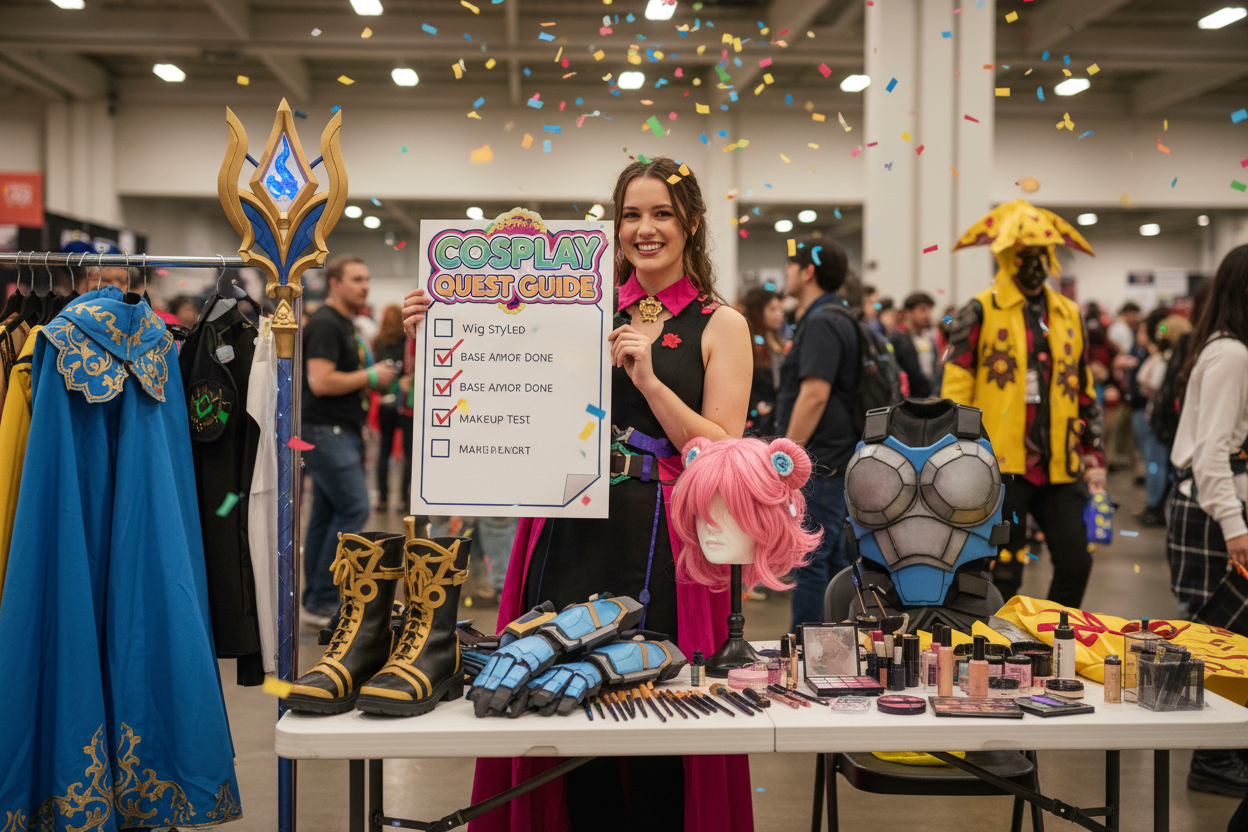
Fabric Selection Checklist
Before purchasing a cosplay costume, ask yourself:
Will I primarily use it for outdoor events or indoor photoshoots?
In what season and temperature range will I be active?
How long will I need to wear it?
What material was the character's costume made of in the original design?
What is my budget?
Will I wear it multiple times? What are my requirements for its durability?
Are there any special action requirements (e.g., fighting, dancing)?

Fabric Care Tips
Polyester: Machine washable, iron on low heat, avoid high temperatures.
Spandex: Hand wash recommended, air dry, avoid wringing.
Cotton: Machine washable, be aware of shrinkage, iron on medium heat.
Satin: Hand wash only, iron inside out, avoid scratching.
Chiffon: Gently hand wash, air dry, iron on low heat.
PU Leather: Wipe with a damp cloth, avoid washing, store in a well-ventilated area.
Conclusion
Choosing the right fabric for your cosplay costume requires considering the usage scenario, season, character characteristics, and personal needs. Please remember the following basic principles:
Outdoor activities prioritize comfort: Choose breathable, moisture-wicking, and lightweight fabrics.
Indoor shoots prioritize visual effects: Choose textured fabrics that look good on camera.
Long-term wear requires natural fabrics: Cotton, linen, and other breathable materials.
Short-term exhibitions allow for the use of special fabrics: Satin, PU leather, and other materials with special effects.
We hope this fabric selection guide helps you make the best choice! If you're looking for high-quality cosplay costumes, we offer a wide selection of fabrics and detailed product descriptions to help you find the perfect outfit for your needs. Browse our collection and start your perfect cosplay journey!

Leave a comment
This site is protected by hCaptcha and the hCaptcha Privacy Policy and Terms of Service apply.